What is a human resource administrator? A human resource administrator is the person inside a company who manages the day-to-day people operations — think onboarding, benefits enrollment, recordkeeping, and compliance tracking. For growing businesses, this role is often the glue that holds HR operations together, whether it’s handled in-house or through an outsourced partner. In this guide, we’ll break down exactly what a human resource administrator does, the skills the role requires, and how it fits into a bigger HR strategy.
What Is a Human Resource Administrator?
Direct answer: A human resource administrator is an HR professional responsible for handling the administrative and operational side of employee management, including onboarding, benefits, recordkeeping, and policy compliance. Unlike an HR manager who sets strategy, the administrator keeps the daily systems running accurately and on time.
In practice, this role sits at the foundation of any HR department. However, in many small and mid-sized companies, one person — or an outsourced partner — wears multiple HR hats at once. That’s why understanding the role, duties, and key skills of an HR administrator matters just as much for a 15-person startup as it does for a 200-person company.
According to Wikipedia’s overview of human resource management, administrative HR functions form the operational backbone that supports broader talent strategy. In other words, without solid administration, even the best HR strategy falls apart.

A human resource administrator keeps employee records, benefits, and compliance details organized and up to date.
What Does a Human Resource Administrator Do Day to Day?
So what does this look like in practice? A human resources administrator typically juggles several recurring responsibilities:
- Processing new hire paperwork and coordinating onboarding schedules
- Maintaining accurate employee records and personnel files
- Administering benefits enrollment, changes, and employee questions
- Tracking compliance deadlines, such as I-9 verification and required postings
- Supporting payroll coordination and timekeeping accuracy
- Updating employee handbooks and internal policies
- Assisting with recruiting logistics, like scheduling interviews
For example, when a new employee starts, the administrator ensures every form is signed, every benefit is enrolled, and every compliance box is checked. As a result, managers can focus on leading their teams instead of chasing paperwork.
Key Skills Every Human Resources Administrator Needs
Above all, strong HR administrators combine organization with people skills. Specifically, the role demands the following core strengths.
Attention to Detail
Compliance work leaves little room for error. Consequently, a missed deadline or an incorrect filing can create real legal risk for the company.
Communication and Discretion
Employees share sensitive information, so an administrator must communicate clearly while protecting confidentiality at every step.
Familiarity with HR Technology
Modern HR runs on software — payroll systems, applicant tracking tools, and HRIS (human resource information system) platforms that store employee data. In fact, the right tools can dramatically simplify HR administration for growing teams.
HR Administrator vs. HR Manager vs. HR Generalist
These titles often get used interchangeably, but they aren’t the same job. Understanding the difference helps you build the right team — or know when it’s time to outsource instead.
HR Administrator
Focuses on transactional, day-to-day tasks: paperwork, records, and compliance tracking. Learn more about what HR administration involves at this level.
HR Manager
Oversees strategy, employee relations, and team leadership, often supervising administrators and generalists directly.
HR Generalist
Handles a mix of administrative and strategic work — recruiting, employee relations, and policy — usually in smaller organizations without a full HR department.
In short, the administrator keeps the engine running, while the manager decides where the car is headed. For a deeper look at how these roles connect, see this definition of human resource administration and how it differs across company sizes.
How to Become a Human Resource Administrator
Curious how professionals break into this field? Here’s a straightforward path most administrators follow.
- Earn a relevant degree or certificate. Most employers look for a background in human resources, business administration, or a related field, though some administrators start with an associate degree plus on-the-job training.
- Build foundational office and people skills. Develop strong organizational habits, basic recordkeeping familiarity, and comfort handling confidential employee information before applying for entry-level roles.
- Gain hands-on HR or administrative experience. Internships, HR assistant roles, or office coordinator positions provide practical exposure to onboarding, filing, and benefits processes.
- Learn HR software and compliance basics. Get comfortable with payroll systems, applicant tracking tools, and core employment laws like FMLA and FLSA to handle daily tasks confidently.
- Pursue certification to stand out. Credentials such as the SHRM-CP or PHR demonstrate expertise and often accelerate career growth into HR management roles.
Why Growing Companies Need Strong HR Administration
As a company scales past 10 or 15 employees, informal HR habits start breaking down. Therefore, many founders and operations leaders start asking whether they need dedicated HR support — internally or outsourced.
According to the U.S. Bureau of Labor Statistics, demand for human resources specialists is projected to keep growing steadily over the next decade, reflecting how essential this function has become for businesses of every size. That growth isn’t surprising: compliance rules change constantly, and one misstep can be costly.
This is exactly where Soteria HR comes in. Rather than hiring a full internal HR department, growing companies partner with Soteria HR for proactive, outsourced HR administration, compliance monitoring, and strategic support — without the overhead of a full-time hire. For a closer look at what’s included, check out this guide to HR administration services.

Outsourced HR support gives growing companies access to experienced HR administration without a full-time hire.
Common Mistakes Companies Make With HR Administration
Even well-meaning teams stumble here. For instance, some businesses skip formal recordkeeping until an audit or complaint forces the issue. Others rely on outdated handbooks that no longer reflect current law.
Similarly, many growing companies wait too long to add dedicated HR support, assuming administrative tasks will sort themselves out. In contrast, proactive companies build HR playbooks and compliance calendars early — long before problems appear.
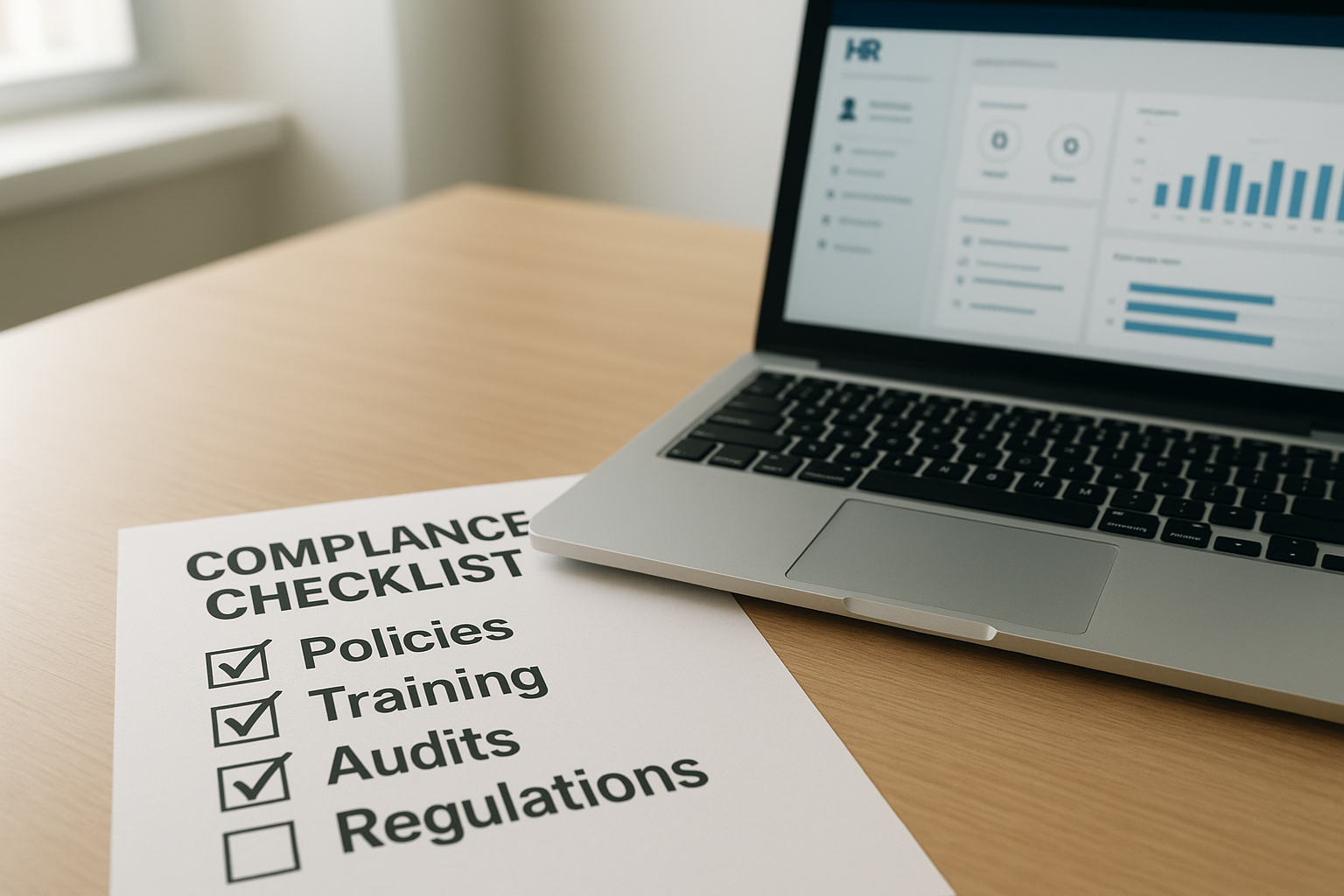
Consistent compliance checklists help HR administrators catch small issues before they become expensive ones.
Frequently Asked Questions About Human Resource Administrators
What is a human resource administrator?
A human resource administrator is an HR professional who manages daily people operations like onboarding, benefits, recordkeeping, and compliance tracking. They keep HR systems accurate and running smoothly so the broader team can focus on strategy.
What is the difference between an HR administrator and an HR generalist?
An HR administrator focuses mainly on administrative and compliance tasks, while an HR generalist handles a broader mix of recruiting, employee relations, and policy work. Smaller companies often combine both roles into one position.
How much does an HR administrator typically earn?
Salaries vary by location and company size, but HR administrators generally earn a competitive salary comparable to other administrative professional roles. Certifications and HR software experience can increase earning potential.
What qualifications do you need to become an HR administrator?
Most employers prefer a degree or certificate in human resources, business administration, or a related field, along with strong organizational skills. Relevant experience or certifications like SHRM-CP can also open doors.
How long does it take to become an HR administrator?
Many people move into entry-level HR administrator roles within one to two years of relevant education or administrative experience. Advancing into HR management typically takes several more years.
Can a small business outsource HR administration instead of hiring?
Yes, outsourcing is a common solution for small to mid-sized companies that need reliable HR support without the cost of a full-time hire. Firms like Soteria HR provide exactly this type of flexible support.
What software do HR administrators use?
HR administrators commonly use HRIS platforms, payroll systems, applicant tracking software, and benefits administration tools. The right combination depends on company size and complexity.
What is the biggest mistake companies make with HR administration?
The most common mistake is treating HR administration as an afterthought until a compliance issue or employee complaint forces attention. Building consistent processes early prevents costly problems later.
Is an HR administrator the same as an HR manager?
No. An HR administrator typically handles operational tasks, while an HR manager oversees strategy, leadership, and team performance, often supervising administrators directly.
What compliance tasks does an HR administrator handle?
Common compliance duties include I-9 verification, required workplace postings, benefits notice deadlines, and maintaining accurate personnel files. These tasks help protect the company from legal and financial risk.
Do growing companies need a full-time HR administrator?
Not always. Many growing companies start with outsourced or fractional HR administration support before hiring a full-time employee, scaling up as headcount and complexity increase.
What industries employ human resource administrators?
Human resource administrators work across nearly every industry, including tech, professional services, manufacturing, and human services organizations. Any company with employees needs this administrative function in some form.
Final Thoughts on the Human Resource Administrator Role
So, what is a human resource administrator? Simply put, they’re the professional who keeps your company’s people operations accurate, compliant, and running smoothly every day. Whether you hire in-house or partner with an outsourced HR provider, this role forms the foundation every growing business needs.
As your team grows, investing in strong HR administration — paired with strategic guidance — helps you avoid costly mistakes and build a workplace people want to stay at. If you’re ready for hands-on support, Soteria HR is here to help you scale with confidence.