Cloud-based HRIS systems have quickly become the backbone of modern HR departments, giving growing companies a single digital home for employee records, payroll data, and compliance tracking. Instead of juggling spreadsheets, paper files, and sticky notes, small and mid-sized businesses now rely on secure, always-on platforms that scale as their teams grow. For leaders wearing multiple hats, that shift often means the difference between reactive HR firefighting and confident, proactive people management.
Quick answer: Cloud-based HRIS systems are web-hosted platforms that centralize employee data, payroll, benefits, and compliance tracking so growing companies can manage HR from anywhere, without maintaining in-house servers or spreadsheets.
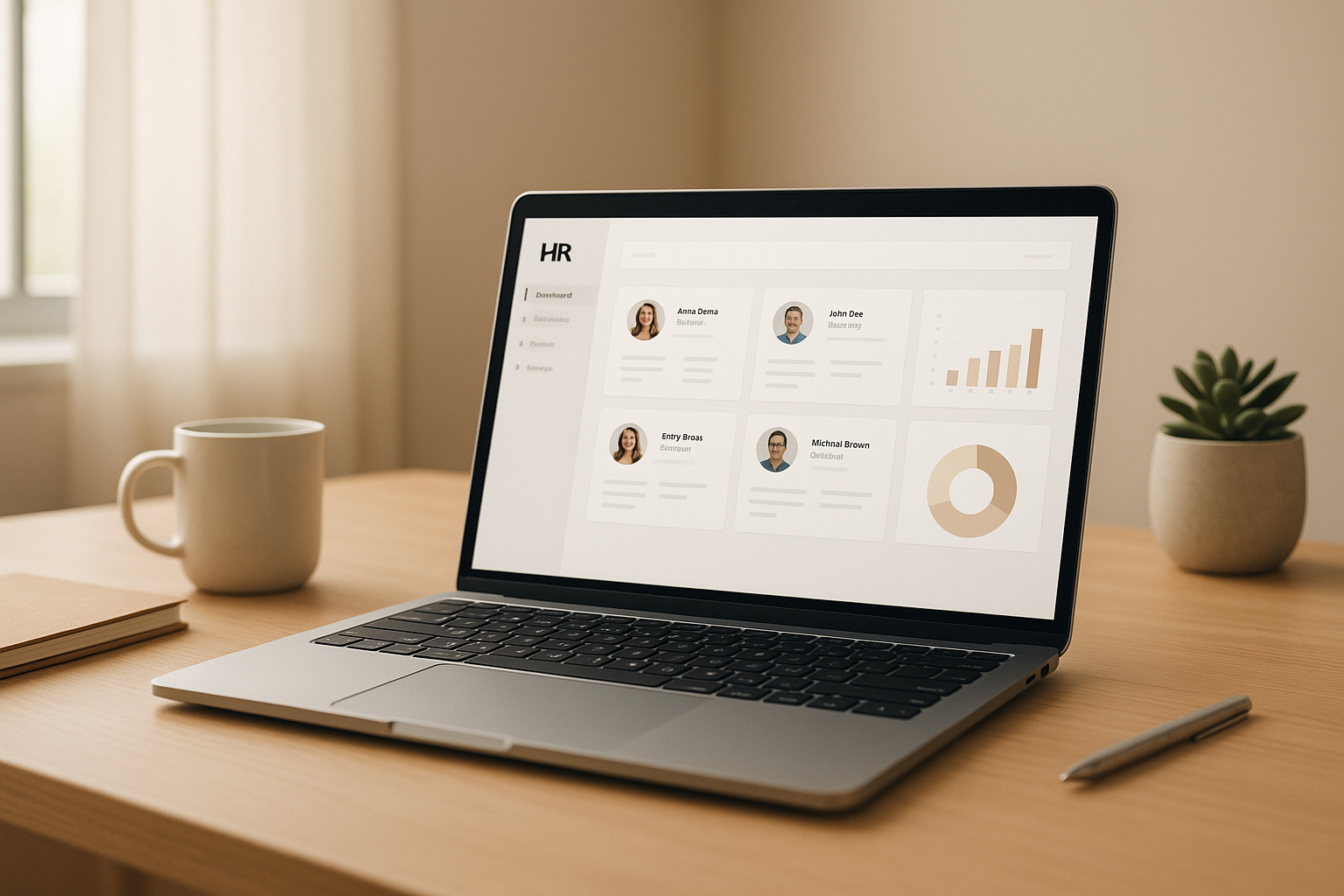
Cloud-based HRIS systems give HR teams a real-time view of employee data from any device.
What Are Cloud-Based HRIS Systems?
Cloud-based HRIS systems are internet-hosted human resource information systems that store and manage employee data on remote servers rather than local company hardware. In practical terms, that means HR staff, managers, and employees can log in from a laptop, tablet, or phone to update records, request time off, or review pay stubs.
Because the vendor maintains the servers, updates, and backups, smaller companies get enterprise-grade technology without hiring IT staff to manage it. As a result, a growing business with 25 employees can access many of the same tools as a company ten times its size, at a fraction of the cost.
For a deeper technical breakdown, Soteria HR’s complete guide to cloud-based HR management walks through core components in more detail. According to Wikipedia’s overview of human resource management systems, these platforms typically combine several HR functions, including payroll, benefits, and attendance, into one integrated database.
Why Growing SMBs Are Switching to Cloud HR Software
Growing companies often outgrow spreadsheets long before they can justify a full in-house HR department. Consequently, cloud HR software has become the practical middle step between “figuring it out manually” and hiring a large internal team.
In particular, cloud platforms reduce the administrative burden on founders, office managers, and operations leaders who never planned to become HR experts. For example, automated onboarding checklists, digital handbook acknowledgments, and self-service pay stubs free up hours every week that used to go toward chasing paperwork.
Furthermore, research from SHRM has repeatedly found that HR technology adoption correlates with reduced administrative time and fewer compliance errors, particularly at companies with limited dedicated HR staff. That matters most for organizations between 10 and 250 employees, since this is exactly where compliance complexity accelerates but budgets for large HR teams remain tight.
If you’re still relying on manual systems, Soteria HR’s overview of cloud-based HR systems and their guidance on HR support for small business are useful starting points before you shop for software.
Key Features of a Reliable HRIS Platform
Not every HRIS platform is built for the same size or stage of company. However, a handful of core features consistently separate the systems that actually reduce workload from those that just add another login to manage.
Look for the following capabilities when comparing options:
- Centralized employee records with self-service updates
- Payroll coordination or direct payroll integration
- Benefits enrollment and management tools
- Compliance tracking with automatic policy and law updates
- Reporting dashboards for headcount, turnover, and cost trends
- Role-based data security and access permissions
Above all, prioritize compliance support and scalability. A platform that fits today’s headcount but can’t handle multi-state employees or new benefit tiers will only create another migration project down the road. Soteria HR’s HR system cloud guide for growing SMBs breaks down which features matter most at each growth stage.
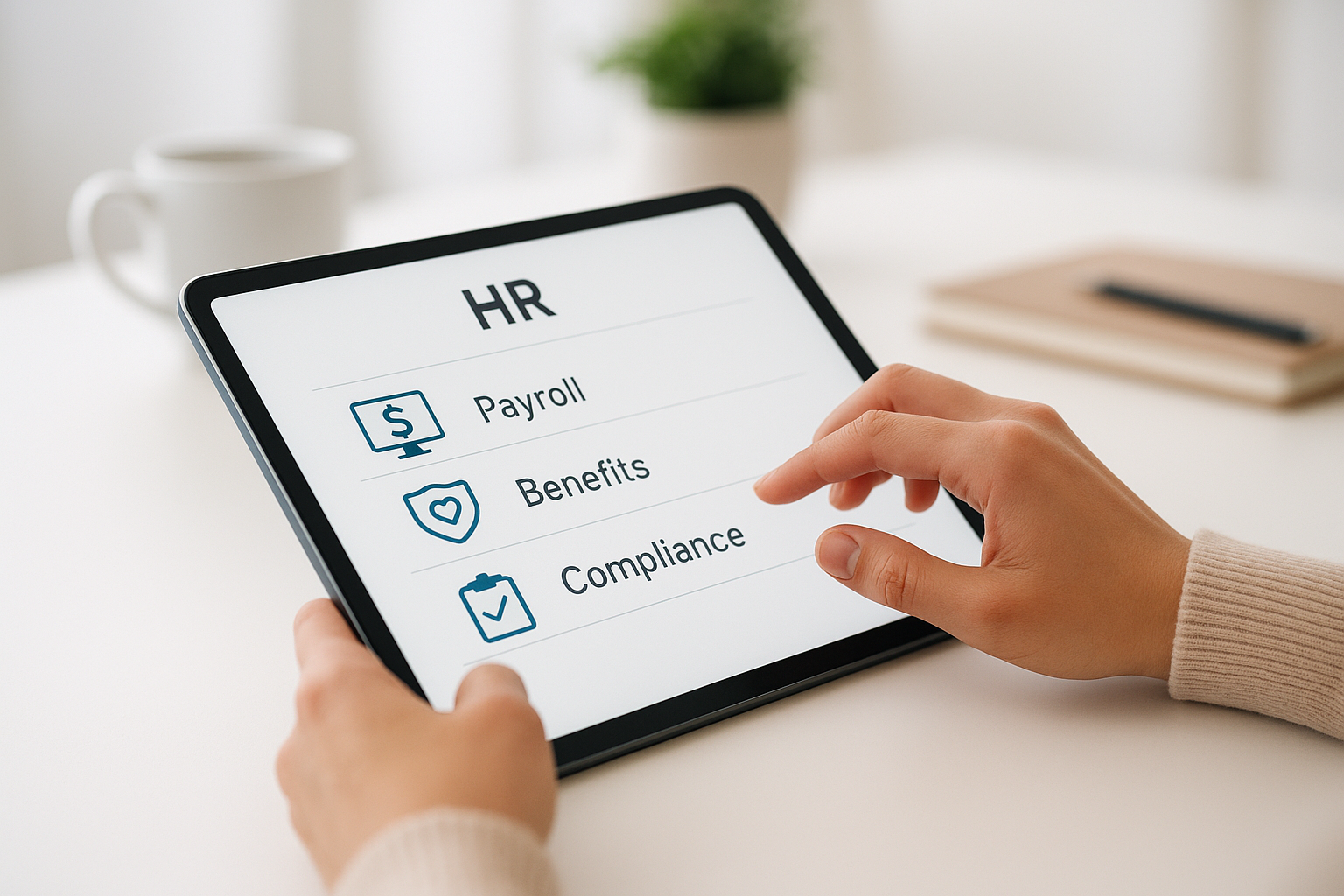
Comparing core features side by side makes it easier to choose the right cloud HR software.
How to Choose and Implement a Cloud-Based HR System
Selecting the right platform is only half the job; a thoughtful rollout matters just as much. The following steps outline a practical, low-drama approach to implementation.
- Assess your current pain points. Identify where manual processes or spreadsheets are creating the most risk or wasted time.
- Define must-have features and budget. Decide which capabilities are non-negotiable, then set a realistic per-employee monthly budget.
- Shortlist and demo vendors. Request demonstrations from three to five providers, focused on your specific priorities rather than a generic tour.
- Verify security and compliance support. Confirm encryption standards, access controls, and how quickly the vendor updates for new labor laws.
- Plan a phased rollout. Train managers first, then employees, using a staggered timeline instead of a single company-wide launch.
- Migrate and audit data. Move employee records carefully, then double-check accuracy before the system goes live.
- Review performance after 90 days. Gather feedback, check reporting accuracy, and adjust settings as your headcount changes.
Companies that pair this process with outside expertise, such as Soteria HR’s HR automation tools guidance, tend to avoid the most common rollout delays.
Cloud-Based HRIS vs. Traditional HR Software
Traditional HR software typically runs on local servers, requires manual updates, and limits access to on-site computers. In contrast, cloud-based HRIS systems live online, update automatically, and allow secure access from anywhere with an internet connection.
This distinction matters more than it might seem. Specifically, remote and hybrid teams cannot rely on software tied to a single office computer, and IT maintenance for on-premise systems often falls on already-stretched operations staff. As a result, most growing companies now default to cloud solutions rather than legacy, server-based platforms.
According to the U.S. Department of Labor’s guidance on wage and hour recordkeeping requirements, employers must retain accurate payroll and employment records for specific periods. Cloud-based systems make that recordkeeping considerably easier to manage and audit than paper files or disconnected spreadsheets.
Common Mistakes to Avoid With HR Information Systems
Even a strong platform can underperform if the rollout is rushed. Therefore, it helps to know where companies typically stumble before signing a contract.
First, some businesses choose software based on price alone, without confirming compliance and integration capabilities. Second, others skip a proper needs assessment and end up paying for features they never use. Third, migrating incomplete or outdated employee data almost always creates confusion during the first few months after launch.
Finally, many companies underestimate training. Without clear guidance, managers revert to old habits, and adoption stalls. Pairing new HR information systems with experienced, hands-on support, similar to how Soteria HR partners with growing organizations, helps prevent these setbacks from derailing an otherwise solid technology investment.
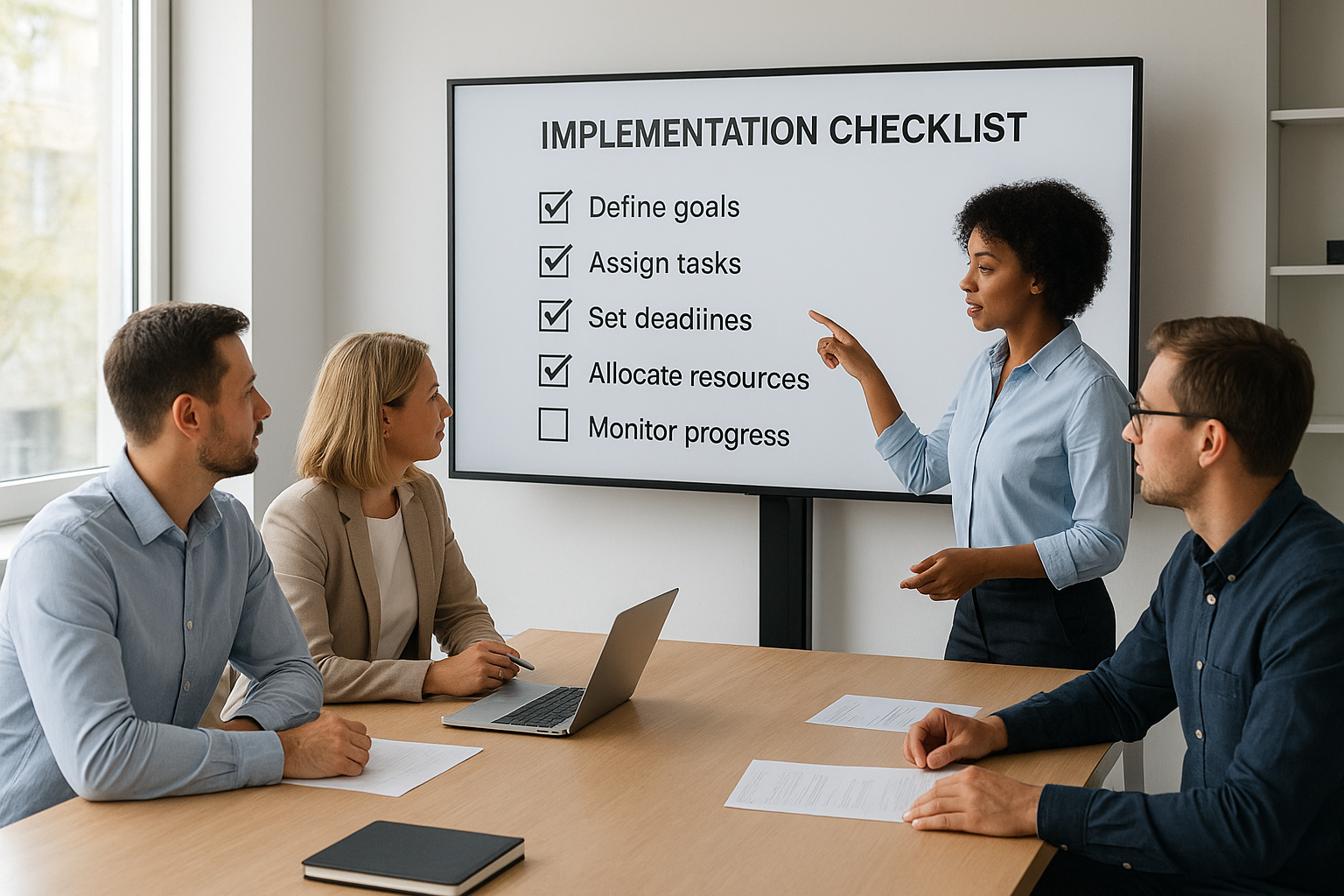
A clear rollout plan helps teams avoid the most common HRIS implementation mistakes.
Frequently Asked Questions About Cloud-Based HRIS Systems
What are cloud-based HRIS systems?
Cloud-based HRIS systems are web-hosted platforms that store and manage employee data, payroll, benefits, and compliance records on remote servers instead of local company hardware. They let HR teams and employees access information securely from any device with an internet connection.
How do cloud-based HRIS systems work?
A cloud-based HRIS works by storing all HR data in a secure, remotely hosted database that syncs in real time across devices. Users log in through a web browser or app, and the vendor handles server maintenance, backups, and software updates automatically.
Why should small businesses switch to cloud HR software?
Small businesses switch to cloud HR software to reduce manual paperwork, cut compliance risk, and give employees self-service access to pay stubs and benefits. It also scales more affordably than hiring additional in-house HR staff as headcount grows.
What is the difference between an HRIS and an HRMS?
An HRIS primarily manages employee records, benefits, and compliance data, while an HRMS typically adds performance management, recruiting, and workforce planning tools on top. Many modern platforms blend both sets of features into one system.
How much do cloud-based HRIS systems cost?
Most cloud-based HRIS systems for small and mid-sized companies cost between $4 and $15 per employee per month, depending on features like payroll, benefits administration, and reporting. Larger enterprise platforms with advanced analytics can cost more.
How long does it take to implement an HRIS platform?
Implementation for a small or mid-sized company typically takes four to twelve weeks, depending on data cleanup, integrations, and employee training needs. Companies with messy legacy records should expect a longer timeline.
What mistakes do companies make when adopting cloud-based HRIS systems?
Common mistakes include skipping a needs assessment, migrating dirty or incomplete data, and failing to train managers before launch. Companies also sometimes choose a platform based on price alone rather than compliance and integration capabilities.
What features should growing SMBs prioritize in an HRIS?
Growing SMBs should prioritize compliance tracking, payroll integration, employee self-service, and reporting dashboards. Scalability also matters, since the system should support additional employees or benefit plans without a costly switch later.
Is employee data safe in a cloud-based HRIS?
Reputable cloud-based HRIS providers use encryption, role-based access controls, and regular security audits to protect employee data, often exceeding what small companies can maintain on their own servers. Businesses should still review a vendor’s security certifications first.
Can cloud-based HRIS systems integrate with payroll?
Yes, most cloud-based HRIS systems integrate directly with payroll providers or include built-in payroll coordination features. This reduces duplicate data entry and lowers the risk of pay errors caused by mismatched records.
What size company needs a cloud-based HRIS system?
Companies with as few as 10 to 15 employees often benefit from a cloud-based HRIS, since manual tracking becomes error-prone around that size. Organizations between 10 and 250 employees tend to see the fastest return.
How do cloud-based HRIS systems help with compliance?
Cloud-based HRIS systems help with compliance by automatically tracking policy acknowledgments, required trainings, and changing federal or state labor rules. Many platforms send alerts when deadlines approach, reducing the chance of missed filings.
Do cloud HRIS platforms replace HR staff or consultants?
No, a cloud HRIS platform is a tool, not a strategist. It handles data and administration, but growing companies still benefit from human HR expertise to interpret trends, manage sensitive situations, and build compliant policies.
Bringing It All Together
Ultimately, cloud-based HRIS systems give growing companies the structure to manage people data, payroll, and compliance without the overhead of a large internal HR department. However, technology alone rarely solves every HR challenge; it works best paired with sound strategy and human judgment.
That’s where a partner like Soteria HR fits in. As an outsourced HR partner for growing organizations, Soteria HR helps SMBs select the right cloud HR software, build compliant policies, and implement systems correctly the first time. In short, cloud-based HRIS systems handle the data, and the right HR partner makes sure that data actually protects and grows your business. Visit soteriahr.com to explore how proactive HR support can complement your technology stack.