To define HR outsourcing in plain terms, picture this: a trusted partner outside your company takes over some or all of your human resources work, from payroll coordination to compliance monitoring. For small and mid-size businesses, that means expert HR support without the cost of building a full in-house department. In particular, companies between 10 and 250 employees often turn to this model when growth starts outpacing their ability to manage people issues alone.

Partnering with an outside provider is one of the simplest ways to define HR outsourcing in action.
How Do You Define HR Outsourcing?
HR outsourcing is the practice of hiring an external provider to manage HR administration, compliance, benefits, or strategic HR leadership instead of staffing those functions internally. It allows growing businesses to access specialized expertise on demand rather than building a full department from scratch.
However, not every outsourcing arrangement looks the same. Some companies outsource a single function, such as payroll coordination, while others hand over nearly everything, including recruiting, employee handbooks, and compliance oversight. According to the U.S. Department of Labor, employment regulations change frequently enough that even experienced leaders struggle to track every update across multiple states.
As a result, many founders and operations leaders choose to define HR outsourcing scope early, before problems like turnover or compliance gaps force a rushed decision. For a deeper breakdown of what this support can look like, this guide to what HR outsourcing includes walks through typical service tiers.
How Does Outsourcing HR Functions Work?
In practice, outsourcing HR functions starts with an assessment of your current pain points. For example, a company might struggle with inconsistent onboarding, missed compliance deadlines, or no clear process for handling employee complaints. A provider steps in to either run that function entirely or advise your internal team on how to improve it.
Specifically, this typically involves integrating with your payroll system, reviewing existing policies, and establishing communication channels for day-to-day questions. Similarly, many providers offer a dedicated point of contact who knows your business, rather than a rotating call center model common with larger HR outsourcing firms.
Key HR Services You Can Outsource
- HR administration, including onboarding and offboarding
- Compliance and risk management across multiple states
- Benefits design and ongoing management
- Payroll coordination with your existing systems
- Recruiting and hiring support
- Employee handbook creation and updates
- Performance management and organizational improvement
In addition, some businesses request custom HR playbooks tailored to their culture and industry. This overview of outsourced HR services breaks down how these pieces fit together for companies at different growth stages.

Reviewing policies together is a common first step once a company decides to outsource HR functions.
HR Outsourcing vs. In-House HR: Which Fits Your Business?
In contrast to building an internal HR department, outsourcing lets you access senior-level expertise without a six-figure salary commitment. The global HR outsourcing market reflects this shift, with industry research estimating its value well above $40 billion as more companies look for flexible, scalable support rather than fixed headcount.
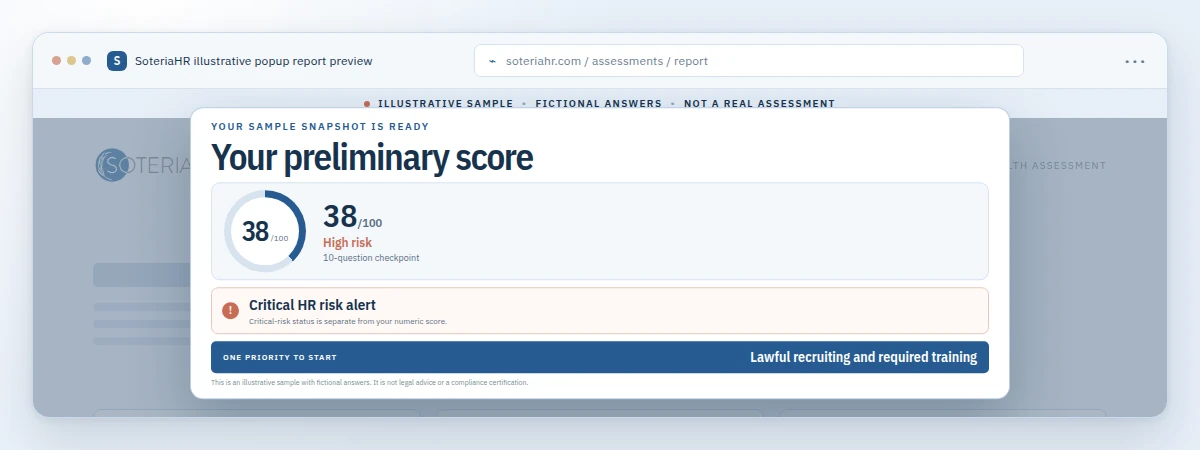
That said, in-house HR still makes sense for larger organizations with complex, high-volume people needs. Therefore, the right choice depends on your headcount, growth trajectory, and how much strategic guidance you need versus day-to-day administration. This assessment of whether outsourcing fits your business can help you weigh the tradeoffs.
Benefits of an Outsourced HR Partner for Growing Companies
Above all, an outsourced partner helps leaders sleep better at night. Specifically, you gain proactive compliance monitoring, reduced legal exposure, and a team that spots problems before they escalate into costly disputes. Furthermore, you free up founder and operations time that would otherwise go toward research, paperwork, or putting out HR fires.
Many companies considering this path review examples of similar organizations first. This list of companies that outsource HR shows how varied industries use this model successfully.
How to Get Started With an HR Outsourcing Partner
Getting started does not need to be overwhelming. Follow these steps to move from uncertainty to a clear plan:
- Audit your current HR gaps. Review existing processes to identify compliance risks and administrative bottlenecks.
- Define the scope of support you need. Decide between comprehensive HR support or help with specific functions.
- Research and compare providers. Evaluate industry experience, service models, and client feedback.
- Review contracts and service agreements. Check pricing, response commitments, and data security practices.
- Onboard and integrate systems. Connect payroll and HR systems and share existing policies with your new partner.
- Monitor results and adjust scope. Track outcomes and revisit the relationship as your company grows.
For a closer look at how administrative tasks fit into this process, this complete guide to HR administration explains what day-to-day support typically covers.
Common Mistakes When Defining Your HR Outsourcing Needs
Even well-intentioned leaders stumble here. For instance, choosing a provider based on price alone often backfires when urgent employee issues arise and response times are slow. Similarly, failing to clearly define the scope of work up front leads to confusion about who handles what once the partnership begins.
In addition, some companies assume outsourcing means losing control over their culture. In reality, the best partners work as an embedded extension of your team, not a distant vendor. According to SHRM, organizations that treat HR as a strategic function, whether in-house or outsourced, consistently report stronger retention and engagement outcomes.
You can learn more about this concept on Wikipedia’s overview of human resource outsourcing, which traces how the model evolved alongside changing workforce regulations tracked by agencies like the U.S. Department of Labor.

A clear checklist helps leaders avoid common mistakes when they define HR outsourcing needs.
Frequently Asked Questions About HR Outsourcing
What does it mean to define HR outsourcing for a small business?
To define HR outsourcing for a small business means hiring an outside partner to handle some or all HR tasks, such as payroll coordination, compliance, and benefits, instead of building an internal HR team. It gives smaller companies access to expert-level HR support at a fraction of the cost of full-time hires.
How does HR outsourcing work?
HR outsourcing works by contracting a specialized firm to manage specific or comprehensive HR functions on your behalf. The provider typically integrates with your existing systems and advises leadership on compliance and strategy.
Why do growing companies outsource HR functions?
Growing companies outsource HR functions to reduce compliance risk, free up leadership time, and access expertise they cannot yet afford to hire full-time. HR complexity often grows faster than headcount.
What is the difference between HR outsourcing and a PEO?
HR outsourcing provides advisory and administrative support while you remain the legal employer. A PEO, or professional employer organization, co-employs your staff and bundles payroll and benefits under its own tax ID.
How much does HR outsourcing typically cost?
Costs vary based on company size, scope of services, and whether you need ongoing or project-based help. Many providers price per employee per month or offer flat monthly retainers.
How long does it take to onboard an HR outsourcing partner?
Onboarding typically takes two to six weeks, depending on how many systems need integration. A well-prepared company with clean records can move faster.
What HR functions can be outsourced?
Businesses commonly outsource compliance management, benefits administration, payroll coordination, recruiting, employee handbooks, and performance management. Some outsource everything, while others keep certain functions in-house.
What are common mistakes businesses make when they outsource HR?
Common mistakes include not clearly defining scope, choosing a provider on price alone, and failing to vet response times for urgent issues. These gaps often surface during audits or disputes.
Is HR outsourcing right for a company with under 50 employees?
Yes, HR outsourcing often fits companies under 50 employees well because they usually lack budget for a full HR department but still face real compliance risks. Outsourcing fills that gap affordably.
What should be included in an HR outsourcing contract?
A solid contract should outline the scope of services, response time commitments, data security practices, and pricing structure. Clear service level agreements prevent misunderstandings later.
How does HR outsourcing help with compliance risk?
An experienced partner monitors changing federal, state, and local employment laws so your policies stay current. This proactive oversight reduces the chance of costly fines or lawsuits.
Can HR outsourcing be combined with an in-house HR person?
Absolutely. Many companies pair an in-house HR generalist with an outsourced partner who provides strategic guidance and backup support during busy periods.
What is the best way to define HR outsourcing needs before hiring a partner?
The best way to define HR outsourcing needs is to audit current pain points, such as compliance gaps or administrative overload, and prioritize which functions need outside support first. This creates a clear scope before interviewing providers.
How do I choose the right outsourced HR provider?
Look for a provider with industry experience, transparent pricing, strong references, and a communication style that fits your culture. Ask how they handle urgent employee relations issues before signing.
Final Thoughts on Defining HR Outsourcing for Your Business
Ultimately, to define HR outsourcing is to recognize a simple truth: growing businesses need expert HR support, but not every company needs a full-time department to get it. Whether you need help with compliance, benefits, payroll coordination, or strategic leadership, an outsourced partner can meet you at your current stage and scale alongside you. Therefore, taking the time to assess your gaps and define HR outsourcing needs clearly before choosing a provider sets the foundation for a partnership that actually works. If you are ready to explore what this looks like for your organization, you can talk to an HR expert at Soteria HR and get a tailored plan built around where your business is headed.