HR solutions for employee performance are the policies, training, tools, and advisory support that help people understand what is expected and do their best work. When your team grows, performance gets harder to manage informally. Managers need guidance, expectations need to be written down, and feedback needs a steady rhythm.
Quick answer: The most effective approach combines clear role expectations, trained managers, regular feedback, and consistent documentation. Outsourced HR can help growing organizations build and maintain that structure.
What Are HR Solutions for Employee Performance?
They are practical systems that connect daily work to business goals. In other words, they turn “do a good job” into specific, fair, and measurable expectations.
Typical elements include job descriptions, goal setting, review forms, manager coaching, training, and records. In addition, many employers add recognition and development plans. The goal is simple: fewer surprises for employees and more confidence for managers.

A regular one-on-one conversation is one of the simplest HR solutions for employee performance.
Why Performance Management Breaks Down
Most problems start with unclear expectations. Employees cannot meet a standard that nobody has explained. Furthermore, many managers were promoted for technical skill and never trained to coach.
Another common issue is timing. If feedback arrives once a year, it feels like a verdict instead of a conversation. As a result, small issues become big ones, and strong contributors may feel overlooked.
Core Tools for Improving Team Performance
Clear Expectations and Goals
Start with written role expectations tied to business priorities. Goals should be specific enough to discuss and flexible enough to adjust. For a deeper look, see these employee performance management best practices.
Manager Training and Coaching
Managers shape daily performance more than any form does. Training should cover setting goals, giving specific feedback, and documenting conversations fairly. Practical role-play helps more than long slide decks.
Feedback and Recognition
Short, frequent check-ins work well for most teams. Ask what is going well, what is blocked, and what support is needed. For more ideas, read about improving employee performance in everyday practice.
Development and Retention
Growth paths keep capable people engaged. Therefore, link performance conversations to learning goals and next steps. This guide on retention strategies for high performers offers more detail. No program can guarantee retention, but clarity and growth opportunities help.
How to Build a Performance Process in 5 Steps
- Define role expectations. Write clear, measurable goals for each role.
- Train your managers. Teach goal setting, feedback, and fair, calm conversations.
- Schedule regular check-ins. Keep them short and recurring so issues surface early.
- Document consistently. Record expectations, feedback, and next steps factually and confidentially.
- Review and adjust. Hold formal reviews on a schedule and refine the process each cycle.
Handling Underperformance Fairly
Begin with a direct, private conversation. Describe the specific gap, explain the expectation, and agree on support and a timeline. Then follow up in writing.
If informal coaching does not work, a structured improvement plan may be the next step. However, high-stakes situations, such as those involving leave, medical issues, or complaints, deserve review by qualified counsel before action. Employment requirements vary by location, so check current guidance from the U.S. Department of Labor and your state agencies.
This content is for general information and is not legal or tax advice. Requirements vary by location, employer size, and circumstances. Consult qualified counsel or an appropriate advisor for guidance on your situation.

Practical manager training makes feedback more consistent across the organization.
When Outsourced HR Support Makes Sense
Many growing small and mid-sized organizations lack time or a full HR department. In that case, a hands-on HR partner can help. Soteria HR provides HR administration, HR consulting, and benefits administration for employers in Los Angeles, Orange County, and nationwide. Its consultants can help leaders turn performance priorities into workable processes, including manager and employee training.
Soteria also offers an ASO (Administrative Services Organization) option, which provides tailored HR support without co-employment. Clients remain the employer and keep responsibility for employment decisions. You can also explore broader workforce optimization and HR best practices.
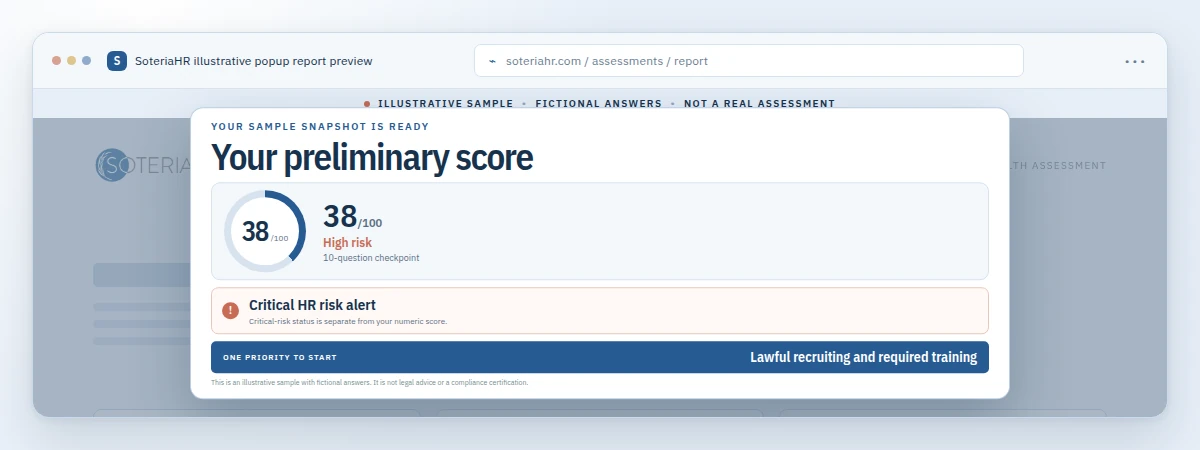
Next step: Not sure where your gaps are? The free HR Health Assessment at soteriahr.ai offers a preliminary, self-reported view of priorities. It is not a legal audit or a compliance certification. Then Talk to an HR Expert at (800) 399-2458.
Frequently Asked Questions
What are HR solutions for employee performance?
They are the policies, training, tools, and advisory support that help employees understand expectations and do their best work. Common examples include goal setting, feedback routines, manager coaching, and documentation.
How often should performance reviews happen?
Many employers use an annual or semi-annual review supported by regular check-ins. The right rhythm depends on your roles and team size. Consistency matters more than the exact schedule.
Why do performance management programs fail?
They often fail because expectations are unclear, managers are untrained, or feedback only happens once a year. A process that is too complicated also gets ignored.
What is the difference between performance management and performance reviews?
A review is a single conversation or document. Performance management is the ongoing cycle of goals, coaching, feedback, and evaluation that surrounds it.
How can small businesses manage performance without an HR department?
Start with written job expectations, simple check-in templates, and basic manager training. Many small and mid-sized employers also use outsourced HR support to build and maintain the process.
Do managers need training to give feedback?
Yes. Most managers are promoted for technical skill, not coaching skill. Short, practical training on specific and fair feedback helps them handle hard conversations.
What should be documented about performance?
Document expectations, specific observations, feedback given, and agreed next steps. Keep notes factual and consistent across employees, and keep records confidential.
When is a performance improvement plan appropriate?
It can be appropriate when informal coaching has not resolved a clear performance gap. Have an HR advisor or qualified counsel review high-stakes situations first.
How does an ASO help with employee performance?
An ASO (Administrative Services Organization) provides HR support without co-employment. The employer keeps responsibility for employment decisions, while the HR partner helps with processes, documentation, and guidance.
Can HR solutions for employee performance improve retention?
They can support retention by making expectations and growth paths clearer. No program can guarantee a specific retention outcome.
How long does it take to set up a performance process?
A basic framework can often be drafted in a few weeks. Adoption by managers takes longer, so plan for training and a first review cycle.
What is the first step to improve performance management?
Start by checking whether every role has clear written expectations. Then look at how and when managers give feedback.
Conclusion
Strong performance comes from clarity, coaching, and consistency. HR solutions for employee performance give managers and employees a shared language, a steady feedback rhythm, and records that support fair decisions. If you want a partner to help build that structure, Talk to an HR Expert at Soteria HR or call (800) 399-2458.