Which benefits vendors offer competitive plans for small to mid-sized companies is one of the first questions founders and HR leaders ask once headcount grows past a handful of employees. The honest answer is that no single carrier wins every comparison; instead, competitive options usually come from several vendor categories — national insurance carriers, level-funded plan administrators, private benefits exchanges, and outsourced HR partners such as Administrative Services Organizations (ASOs) — and the right fit depends on employee count, budget, and risk tolerance. For instance, a 15-person startup and a 200-person logistics company both qualify as “small to mid-sized,” yet they need very different benefits strategies. This guide breaks down the main vendor categories, explains how to compare them step by step, and offers practical next steps for building a package that helps attract and retain talent.
Key Takeaways
- Competitive benefits vendors fall into a few main categories: fully-insured national carriers, level-funded plans, private exchanges, PEOs, and ASOs.
- There is no universal “best” vendor; fit depends on headcount, claims risk, budget, and whether you want co-employment or not.
- According to the Kaiser Family Foundation’s 2024 Employer Health Benefits Survey, average annual premiums for employer-sponsored family coverage reached $25,572, up from prior years.
- A structured, five-step evaluation process helps leaders compare vendors objectively instead of choosing on price alone.
- Many growing employers pair vendor selection with outsourced benefits administration so renewals, compliance, and employee communication stay on track year-round.
What Is Benefits Administration for Growing Employers?
Benefits administration is the ongoing work of selecting, enrolling, maintaining, and communicating employee benefits such as health insurance, retirement plans, and voluntary coverage. In practice, it means much more than picking a plan once a year. Someone has to manage open enrollment, process life-event changes, coordinate with carriers, and keep the program compliant with federal and state rules.
For companies without a dedicated benefits team, this workload often falls on a founder, office manager, or finance leader who is already stretched thin. As a result, deadlines get missed, employees get confused about coverage, and renewal negotiations happen without much leverage. In contrast, employers that treat benefits administration as a structured process tend to retain better carrier relationships and catch compliance gaps earlier. Outsourced benefits administration support exists specifically to close this gap for employers without a full internal HR department.
Which Benefits Vendors Offer Competitive Plans for Small to Mid-Sized Companies?
In short, competitive plans for small to mid-sized companies typically come from a mix of national carriers (such as Kaiser Permanente, Anthem Blue Cross, UnitedHealthcare, or Blue Shield of California), level-funded plan administrators, private benefits exchanges, and outsourced HR partners like ASOs that help negotiate and manage the package. No vendor is universally “best”; the right combination depends on group size, geography, and claims history.
National carriers generally offer the broadest provider networks and the most predictable fully-insured pricing, which suits employers who want stability over flexibility. Level-funded administrators, on the other hand, combine a fixed monthly budget with the possibility of a refund if claims come in lower than projected — a model that has grown popular with employers in the 10 to 250 employee range. Private exchanges give employees a menu of plans from multiple carriers, which can improve satisfaction without raising employer cost. Meanwhile, ASOs do not sell insurance directly; instead, they coordinate with brokers and carriers, manage enrollment, and keep the whole program compliant, all while the client remains the employer of record. Specifically, this matters because co-employment models like PEOs shift certain employer responsibilities, whereas an ASO structure does not.
How to Evaluate Benefits Vendors: A 5-Step Process
Comparing vendors on premium alone is a common trap. Instead, a structured process helps leaders weigh total cost, network quality, and administrative burden together.
- Define the employee population and budget range. Document headcount, average age, dependent coverage needs, and the maximum per-employee monthly cost the business can sustain before requesting quotes.
- Request quotes from at least three vendor types. Compare a fully-insured carrier, a level-funded option, and either a broker-backed exchange or an ASO package so the comparison spans meaningfully different cost structures.
- Compare total cost of ownership, not just premiums. Factor in administrative fees, broker commissions, compliance filing support, and any renewal caps before judging which quote is actually more affordable.
- Check network adequacy and employee feedback. Confirm that current employees’ preferred doctors, specialists, and local hospitals are included in each network before making a final recommendation to leadership.
- Confirm compliance support for ACA, COBRA, and Section 125 obligations. Verify in writing which party handles plan documents, Form 5500 filings, and employee notices, since responsibilities vary by vendor and plan type.
Benefits Vendor Categories Compared
The table below summarizes how the main vendor categories typically compare for employers in the 10 to 250 employee range. Of course, actual pricing and network strength vary by region and group, so this is a starting point for conversation rather than a quote.
| Vendor Type | Typical Fit | Key Features | Watch-Outs |
|---|---|---|---|
| National fully-insured carriers | Employers wanting predictable budgets and broad networks | Fixed premiums, large provider directories | Premiums rise each renewal regardless of claims |
| Level-funded plans | Groups of roughly 10–250 with stable claims history | Fixed monthly cost with potential refund on low claims | Requires some underwriting and renewal uncertainty |
| Private benefits exchanges | Employers wanting employee choice across carriers | Multiple plan options, defined-contribution model | Can add decision complexity for employees |
| PEO (co-employment) | Employers wanting bundled payroll, benefits, and HR under shared employment | Access to large-group buying power | Shifts certain employer-of-record responsibilities |
| ASO (non co-employment) | Employers wanting tailored HR and benefits support while keeping full employer status | Customized scope, no co-employment | Client retains responsibility for employment decisions |
A benefits package only stays competitive if someone reviews it every renewal cycle. Markets, headcounts, and employee needs change faster than most plans do.
Common Mistakes Growing Companies Make When Choosing Benefits Vendors
Many small and mid-sized employers fall into the same few traps. First, some compare only the headline premium instead of total administrative cost, which can hide fees that erase any apparent savings. Second, others accept the broker’s single recommendation without requesting at least two alternative plan structures, which limits negotiating leverage.
In addition, some companies wait until 30 days before renewal to start the review process, leaving little time to properly compare vendors or communicate changes to employees. Consequently, decisions get rushed, and staff are often surprised by new plan details right before enrollment. Finally, a frequent and costly mistake is failing to confirm who is responsible for ACA reporting, COBRA notices, or Form 5500 filings — gaps that can lead to compliance penalties. According to the U.S. Department of Labor’s Employee Benefits Security Administration, employers remain responsible for plan compliance regardless of which vendor administers day-to-day tasks.
Why Work With an HR Partner on Benefits Vendor Selection
Choosing among competitive benefits vendors is rarely a one-time decision; it is an ongoing relationship that touches recruiting, retention, and compliance all at once. Therefore, many growing employers pair vendor selection with a broader HR partnership rather than handling it alone. Soteria HR, based in Pasadena, California and serving employers across Los Angeles, Orange County, and nationwide, provides benefits administration support alongside HR administration and consulting, delivered through an ASO model that keeps the client as the employer of record without co-employment.
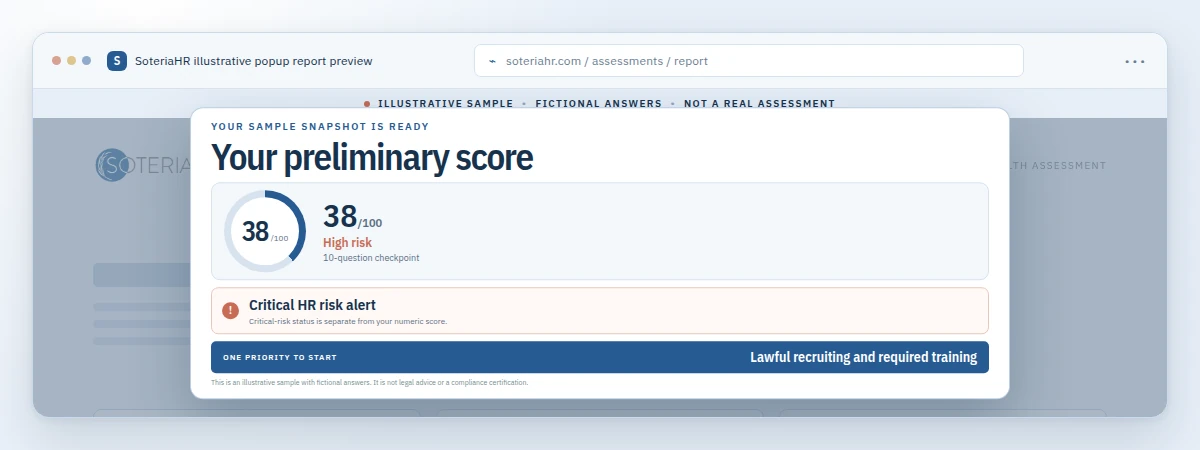
Specifically, this kind of support helps leaders coordinate enrollments, terminations, carrier communications, and compliance tasks tied to ACA, COBRA, and Section 125 requirements, while confirming scope and applicability for each client. For employers who want a starting point before a full conversation, the free HR Health Assessment at soteriahr.ai offers a short, self-reported check — either a 10-question Quick HR Check or a more detailed Complete HR Health Assessment — to surface potential benefits and HR gaps worth discussing. It is worth noting that results are preliminary and not a substitute for a professional compliance audit. To talk through specific vendor options, founders and HR leaders can reach out to Soteria HR directly or call (800) 399-2458.
How Competitive Benefits Help Attract and Retain Talent
Competitive benefits plans do more than control cost; above all, they shape whether candidates accept an offer and whether employees stay. For example, a well-communicated benefits package can be the deciding factor between two otherwise similar job offers. Similarly, clear enrollment materials and responsive support reduce frustration that often drives early turnover. For a deeper look at this connection, see how employee benefits providers help small companies attract talent, and review what makes a benefits management service stand out before narrowing your shortlist.
For a step-by-step walkthrough of the full selection and renewal cycle, the complete guide to benefits management best practices and the related breakdown of which benefits vendors are best for small and mid-sized companies both expand on the categories covered here. According to the Society for Human Resource Management (SHRM), benefits consistently rank among the top factors employees weigh when deciding whether to stay with an employer, second only to pay in most surveys.
Frequently Asked Questions
What is a benefits vendor?
A benefits vendor is a company that sells, administers, or supports employee benefits such as health insurance, retirement plans, or voluntary coverage. This can include insurance carriers, third-party administrators, brokers, PEOs, or ASOs.
Which benefits vendors offer competitive plans for small to mid-sized companies?
Competitive options usually come from national carriers, level-funded plan administrators, private exchanges, and outsourced HR partners like ASOs, rather than one single “best” provider. The right mix depends on headcount, budget, and whether the employer wants co-employment or full employer-of-record status.
How do level-funded health plans work for small employers?
Level-funded plans charge a fixed monthly amount that covers expected claims, administration, and stop-loss insurance. If actual claims come in lower than projected, the employer may receive a partial refund at the end of the plan year.
Why do benefits costs rise faster for small companies than large ones?
Smaller groups have less data to spread risk, so a single large claim can shift renewal pricing more noticeably than it would for a large employer. As a result, small groups often see larger year-over-year premium swings.
What is the difference between a PEO and an ASO for benefits administration?
A PEO (Professional Employer Organization) enters a co-employment arrangement, meaning the PEO becomes a joint employer of record alongside the client. An ASO provides similar administrative support, including benefits coordination, without co-employment, so the client remains the sole employer.
How much do employee benefits typically cost per employee?
According to the Kaiser Family Foundation’s 2024 Employer Health Benefits Survey, average annual premiums for employer-sponsored family health coverage reached $25,572, with employers typically covering a majority share. Actual cost per employee varies widely by plan design, region, and group size.
How long does it take to switch benefits vendors?
Most employers need 60 to 90 days to compare quotes, confirm network adequacy, and prepare employee communications before a new plan year begins. Starting the process earlier gives more room to negotiate and avoid rushed enrollment.
What mistakes do growing companies make when selecting benefits vendors?
Common mistakes include comparing premiums alone, accepting a single broker recommendation without alternatives, starting the review too close to renewal, and failing to confirm who handles compliance filings. Each of these can lead to higher costs or unexpected gaps in coverage.
What are best practices for evaluating a benefits vendor’s renewal?
Best practices include starting the review 90 days before renewal, requesting quotes from at least three vendor types, and confirming total administrative cost rather than premium alone. It also helps to document which party owns ACA, COBRA, and plan-document responsibilities in writing.
Can a small business offer benefits comparable to large enterprises?
Yes, in many cases. Private exchanges, level-funded plans, and PEO or ASO partnerships can give smaller employers access to plan designs and buying power that resemble what larger companies negotiate directly.
Do benefits vendors handle COBRA and ACA compliance?
Some vendors offer COBRA administration and ACA reporting support as part of their service, but scope varies by contract. Employers should confirm in writing which compliance tasks the vendor handles and which remain the employer’s responsibility.
What size company needs a dedicated benefits administrator?
There is no fixed threshold, but employers in the roughly 10 to 250 employee range often reach a point where benefits administration outgrows what one generalist can manage alone. At that stage, dedicated support or outsourced HR partnership tends to reduce errors and renewal surprises.
In summary, there is no single vendor that automatically wins the question of which benefits vendors offer competitive plans for small to mid-sized companies. Instead, national carriers, level-funded administrators, private exchanges, PEOs, and ASOs each fit different situations, and the strongest choice usually comes from comparing total cost, network quality, and compliance support rather than premium alone. Furthermore, pairing that comparison with a structured renewal process helps employers avoid the common mistakes that erode savings over time. For founders and HR leaders ready to compare options with support, Soteria HR offers benefits administration guidance through its ASO model, and the free HR Health Assessment at soteriahr.ai is a practical first step before calling (800) 399-2458 to talk to an HR expert.