Employment relations consultants are the HR professionals growing companies call in when workplace issues get complicated and internal bandwidth runs thin. Whether it is a policy gap, a brewing conflict, or a compliance question that keeps a founder up at night, these specialists step in to bring clarity and calm. For small to mid-sized organizations that cannot yet justify a full-time HR department, an outside employment relations partner often becomes the difference between reacting to problems and preventing them altogether.
Employment relations consultants are HR specialists, either independent or working through a firm, who help businesses manage the day-to-day relationship between employer and employee. That includes compliance guidance, conflict resolution, policy development, and workplace investigations, typically delivered on a flexible, contract basis.

Employment relations consultants often work directly with leadership teams to resolve issues before they escalate.
Role of Employee Relations Specialists
In short, employment relations consultants are outside experts who manage the relationship dynamics between a company and its workforce. Unlike a payroll provider or a benefits broker, they focus specifically on the human side of HR: communication, conflict, culture, and compliance.
Because they work across many organizations, these consultants tend to spot patterns faster than an internal generalist might. For example, a recurring attendance dispute or a vague harassment policy often signals a deeper structural issue. As a result, an experienced consultant can address the root cause rather than just the symptom.
Soteria HR’s employee relations consulting services, for instance, are built specifically for growing companies that need this kind of embedded, ongoing support rather than a one-time fix.
Why Growing Companies Turn to Employee Relations Experts
As a company scales past ten or twenty employees, informal HR practices tend to break down. Consequently, leaders start facing questions they were not trained to answer: How do we document a performance issue? What happens if someone files a complaint? How do we stay current with changing labor laws?
This is precisely where employee relations experts add value. According to Wikipedia’s overview of employee relations, the discipline covers everything from grievance handling to collective communication strategies, all of which require specialized knowledge most small businesses have not had reason to build in-house.
Instead of hiring a full HR department too early, many founders and operations leaders choose to bring in outside support. If you are still weighing your options, this breakdown of what HR consulting actually involves is a useful starting point.
Core Services Employment Relations Consultants Provide
Most employment relations consultants offer a similar core menu of services, though the depth and customization vary by provider. Typically, this includes:
- Policy and employee handbook development
- Workplace investigations and conflict mediation
- Compliance monitoring for federal, state, and local law changes
- Performance management coaching for managers
- Termination and offboarding guidance to reduce legal risk
For a fuller picture of how these pieces fit together, Soteria HR’s guide to what’s included in HR consulting services outlines each offering in more detail.
The Real Cost of Getting Employee Relations Wrong
Skipping proper employee relations support is rarely free; it simply defers the cost. In fiscal year 2023 alone, the U.S. Equal Employment Opportunity Commission (EEOC) received over 81,000 workplace discrimination charges, many of which stemmed from unclear policies or inconsistent enforcement.
Beyond legal exposure, poor employee relations also drives turnover. The Society for Human Resource Management (SHRM) has reported that replacing an employee can cost six to nine months of that person’s salary once recruiting, training, and lost productivity are factored in.
In contrast, businesses that invest early in proactive HR leadership tend to catch small issues before they become expensive ones. Learn more about how an external HR consultant can protect your business from these avoidable costs.
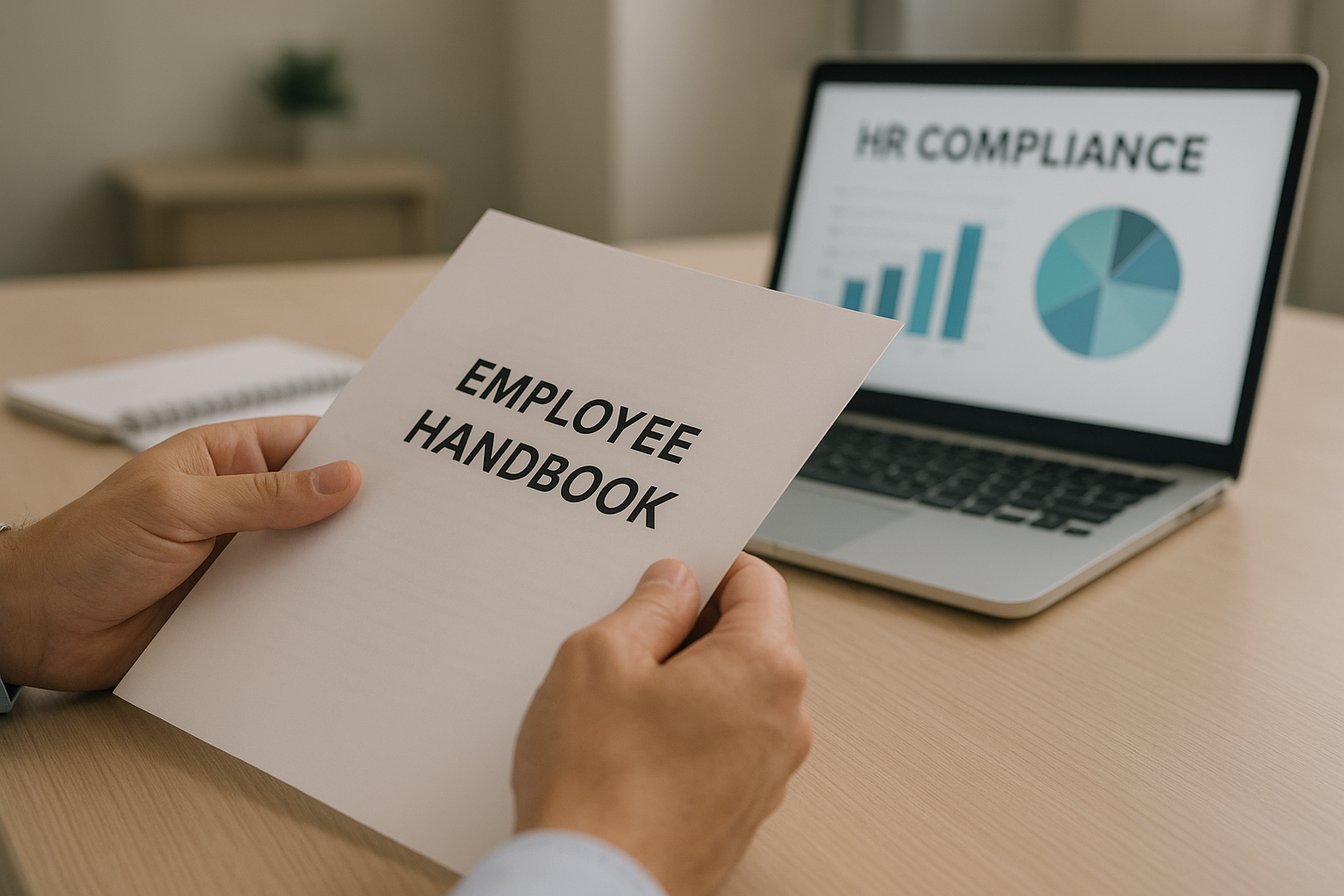
Clear, compliant policies are one of the first deliverables from most employee relations engagements.
How to Choose the Right Employment Relations Consultant
Not every consultant is the right fit for every business. Therefore, it helps to follow a structured evaluation process before signing an agreement.
- Define your HR pain points and goals. List out your current compliance gaps, turnover concerns, and cultural challenges so you can clearly explain what you need help with.
- Evaluate experience and industry fit. Ask about their track record with businesses of your size and sector, since workplace norms and regulations vary widely.
- Review service scope and customization. Compare offerings, such as handbook creation and recruiting support, to confirm they can build a plan around your needs.
- Check compliance expertise and track record. Request examples of how they have helped past clients avoid or resolve compliance issues.
- Confirm communication style and availability. Make sure their responsiveness matches how quickly your team needs answers during sensitive situations.
Soteria HR’s employee relations consulting services are built around exactly this kind of tailored, relationship-first approach.
Employment Relations Consultants vs. In-House HR Teams
A common question leaders ask is whether they should hire in-house or work with outside employment relations consultants. In-house HR staff offer constant availability and deep familiarity with company culture. However, they often lack exposure to the breadth of issues a consultant sees across multiple clients.
On the other hand, outsourced consultants bring specialized expertise and current knowledge of labor law changes, typically at a fraction of the cost of a full-time HR director. For many growing businesses, a blended approach, an internal point person supported by outside experts, offers the best of both worlds.
What Does It Cost to Hire Employment Relations Consultants?
Pricing for employment relations consultants generally falls into three models: hourly billing, project-based fees, or monthly retainers. Monthly retainers are especially popular among small to mid-sized businesses because they provide predictable costs and ongoing access to support.
Ultimately, the right pricing structure depends on how much ongoing support your business needs. A company facing frequent employee relations issues will typically get more value from a retainer than from paying per incident.
Signs Your Business Needs Employee Relations Support
Above all, timing matters. Businesses often wait too long to bring in help, which allows small problems to grow into costly ones. Watch for these warning signs:
- Rising turnover with no clear explanation
- Managers unsure how to handle performance conversations
- An outdated or missing employee handbook
- Repeated complaints about the same workplace issue
- Uncertainty about how recent labor law changes apply to your team
If any of these sound familiar, it may be time to explore support through Soteria HR, which works with companies of 10 to 250 employees across human services, tech, manufacturing, and professional services.

Choosing the right partner among employment relations consultants can transform how a growing team operates.
Frequently Asked Questions About Employment Relations Consultants
What are employment relations consultants?
Employment relations consultants are HR specialists who help businesses manage the relationship between employer and employee, including compliance, conflict resolution, and workplace policy. They typically work on a contract or retainer basis rather than as full-time staff.
How do employment relations consultants differ from employment lawyers?
Consultants focus on day-to-day HR strategy, policy, and conflict prevention, while employment lawyers handle legal representation and litigation. Many businesses use consultants proactively and only call a lawyer when a legal dispute arises.
Why do small businesses hire employment relations consultants?
Small businesses hire them to access HR expertise without the cost of a full-time department. This helps leaders stay compliant, resolve issues quickly, and build stronger teams as they grow.
How much do employment relations consultants cost?
Costs vary based on scope, but most consultants charge a monthly retainer, hourly rate, or project fee, often ranging from a few hundred to a few thousand dollars monthly depending on company size.
How long does it take to see results from an employee relations consultant?
Many businesses see improvements in policy clarity and compliance within 30 to 60 days. Cultural shifts and turnover improvements usually take three to six months.
What common mistakes do businesses make with employee relations?
Common mistakes include inconsistent policy enforcement, undocumented performance issues, and waiting until a conflict escalates before seeking help. These gaps often increase turnover and legal exposure.
What qualifications should employment relations consultants have?
Look for certifications such as SHRM-CP or PHR, along with hands-on experience in your industry. Strong references and measurable past results also matter.
Can employment relations consultants help with employee handbooks?
Yes, most consultants draft, review, and update employee handbooks to keep policies legally compliant and aligned with company culture.
Do employment relations consultants handle workplace investigations?
Many consultants are trained to conduct neutral workplace investigations into complaints such as harassment or policy violations, documenting findings to reduce legal risk.
What industries benefit most from employment relations consulting?
Industries with high accountability or regulatory complexity, such as human services, tech, manufacturing, and professional services, tend to see the greatest benefit.
How do I choose the right employment relations consultant for my business?
Start by defining your biggest HR pain points, then evaluate candidates based on industry experience, service scope, and compliance expertise. The right fit should feel like an embedded partner, not a vendor.
What is the difference between employee relations and employment relations?
The terms are often used interchangeably, though employee relations usually refers to daily workplace interactions, while employment relations can also include broader legal and policy frameworks governing the employer-employee relationship.
Is outsourcing employee relations right for a small business?
Outsourcing is often a smart move for small businesses that need expert HR support but cannot yet justify a full-time hire. It provides flexible, scalable access to experienced professionals as needs change.
Final Thoughts on Working With Employment Relations Consultants
In the end, employment relations consultants give growing businesses a way to protect their people and their bottom line without the overhead of a full internal department. From handbook creation to compliance monitoring and conflict resolution, the right partner catches problems early and helps leaders build a workplace people actually want to stay in.
If your team is feeling the strain of doing HR without dedicated support, it may be time to talk to a partner who treats your business like their own. Visit Soteria HR to see how proactive, hands-on employment relations support can help you scale with confidence.