
HR administration definition starts with one simple idea: HR administration is the day-to-day management of an organization’s people processes, including payroll coordination, benefits enrollment, recordkeeping, and compliance tracking. If you lead a growing company, understanding this definition helps you separate paperwork-heavy tasks from bigger-picture HR strategy. In this guide, we’ll break down what HR administration really means, how it differs from strategic HR, and why more small to mid-sized businesses are outsourcing it to protect their teams and their bottom line.
Quick Answer
HR administration is the operational backbone of HR — the recordkeeping, payroll coordination, benefits management, and compliance monitoring that keeps a workforce running legally and smoothly. It differs from HR strategy, which focuses on culture, leadership, and long-term workforce planning.
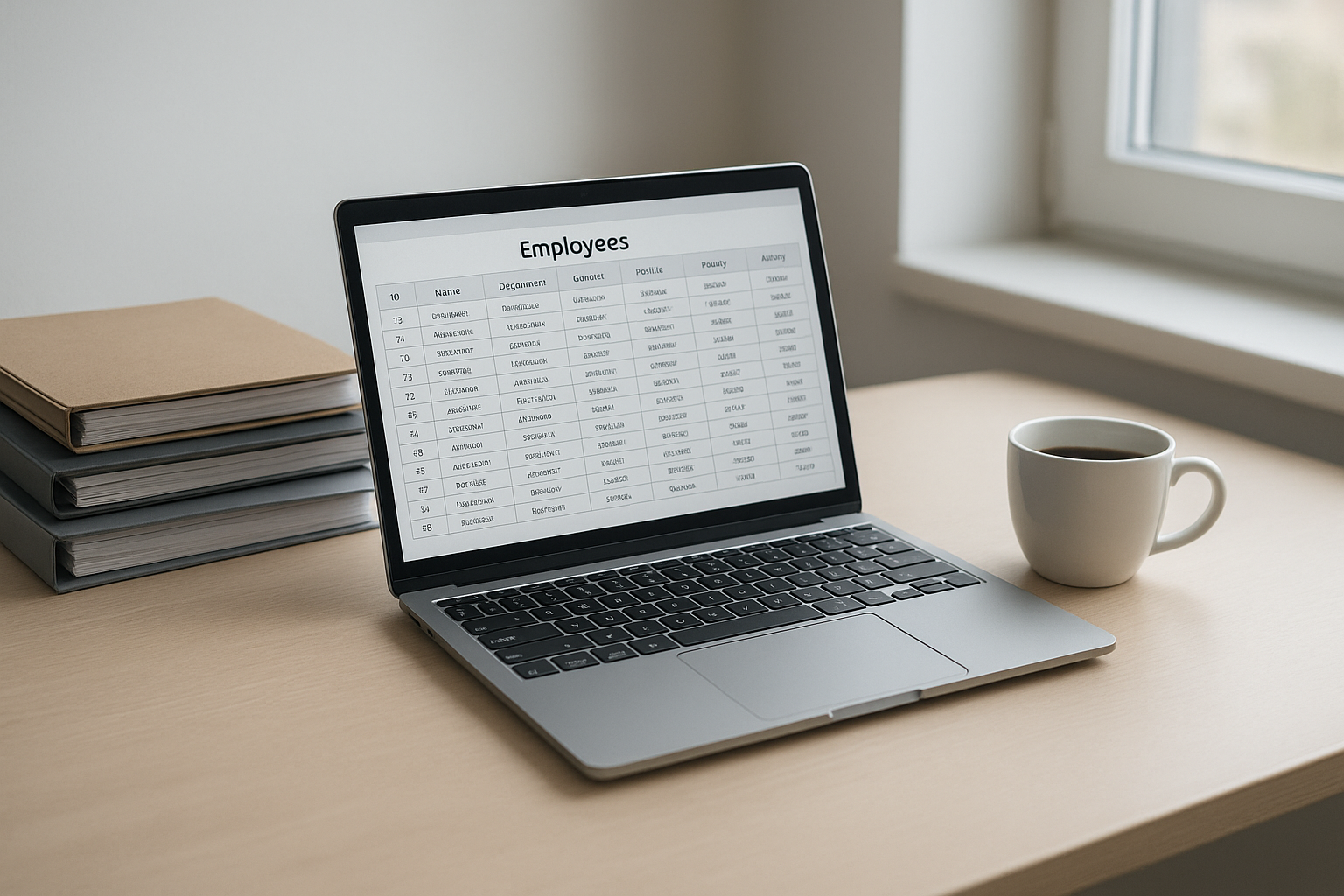
Clear processes are at the heart of the HR administration definition.
What Is the HR Administration Definition?
The HR administration definition refers to the administrative and operational tasks required to manage an organization’s workforce, separate from big-picture HR strategy. Specifically, this includes onboarding paperwork, payroll coordination, benefits enrollment, leave tracking, and compliance documentation.
In other words, HR administration is the engine room of the HR function. According to the Society for Human Resource Management (SHRM), well-run administrative HR practices reduce compliance risk and improve employee satisfaction because policies are applied consistently. As a result, companies with solid HR administration tend to face fewer legal disputes and payroll errors.
For a deeper look at the people behind this work, our related guide on the HR administrator’s role, duties, and key skills breaks down exactly who handles these tasks day to day.
Core Functions Covered by HR Administration
HR administration touches nearly every stage of the employee lifecycle. Consequently, understanding its scope helps leaders decide what to handle in-house versus what to outsource.
- Onboarding and offboarding: Paperwork, system access, and exit documentation.
- Payroll coordination: Ensuring hours, pay rates, and deductions sync accurately with payroll systems.
- Benefits administration: Managing enrollment, changes, and vendor communication.
- Recordkeeping: Maintaining personnel files, I-9s, and performance documentation.
- Compliance tracking: Monitoring deadlines tied to labor law, leave policies, and reporting requirements.
If you want a broader overview of how these pieces fit together, our article on what HR administration actually involves covers the full picture in more detail.
Why Human Resource Administration Matters for Growing Businesses
Human resource administration matters most during periods of growth, when informal processes start to break down. For example, a company that hires five new employees in a month without standardized onboarding often ends up with inconsistent benefits enrollment and missing paperwork.
Furthermore, poor administration increases legal exposure. The U.S. Department of Labor reports that wage and hour violations remain among the most common compliance issues for growing employers, many of which trace back to weak administrative processes rather than intentional wrongdoing.
HR Administration vs. HR Strategy: What’s the Difference?
Although the terms often get used interchangeably, HR administration and HR strategy solve different problems. Specifically, administration keeps daily operations compliant and accurate, while strategy focuses on culture, leadership development, and workforce planning.
| HR Administration | HR Strategy |
|---|---|
| Payroll coordination and benefits enrollment | Workforce planning and leadership pipelines |
| Compliance monitoring and recordkeeping | Culture building and employee engagement |
| Onboarding and offboarding logistics | Performance management frameworks |
In short, businesses need both functions working together. For more nuance on where the definitions overlap, see our explainer on human resource administration meaning explained.
How to Build an Effective HR Administration Process
Building a reliable HR administration process does not require an entire department. However, it does require intentional steps taken in the right order.
- Audit your current HR processes. Review existing onboarding, payroll, benefits, and recordkeeping practices to identify gaps, outdated policies, and compliance risks before building anything new.
- Document standard procedures. Create written procedures for onboarding, offboarding, leave requests, and benefits enrollment so every employee interaction follows a consistent, compliant process.
- Centralize employee records. Move employee files, contracts, and compliance documents into one secure system so records are easy to retrieve during audits or legal reviews.
- Assign clear ownership. Designate who is responsible for payroll coordination, benefits administration, and compliance monitoring so nothing falls through the cracks as your team grows.
- Review and update quarterly. Schedule regular reviews of policies and procedures since employment laws and benefits requirements change frequently throughout the year.

A structured process turns the HR administration definition into daily practice.
Common Mistakes Companies Make with HR Administration
Even well-intentioned teams stumble in predictable ways. Inconsistent recordkeeping tops the list, especially when files live across multiple spreadsheets and inboxes instead of one system.
Similarly, outdated employee handbooks create real risk. Policies that no longer reflect current law can expose a company to claims, even when leadership had no intention of breaking any rules. In addition, many businesses underestimate how often benefits rules and leave laws change from year to year.
To avoid these pitfalls, our resource on the human resources administration definition explained walks through the specific compliance areas that trip up growing companies most often.
Signs You Need Outsourced HR Administration Support
Not every business needs a full-time HR department, but almost every growing business eventually needs help. Above all, watch for these warning signs: missed compliance deadlines, inconsistent onboarding experiences, or a founder personally fielding benefits questions at 9 p.m.
According to Wikipedia’s overview of human resource management, administrative HR functions scale poorly without dedicated systems, which is exactly why many companies between 10 and 250 employees turn to outsourced partners once internal capacity runs out.
This is precisely where Soteria HR fits in. As an outsourced HR partner for growing small to mid-sized organizations, Soteria HR handles full-service HR administration, benefits management, and compliance monitoring so leaders can focus on running the business instead of chasing paperwork.
For a full breakdown of terminology and scope, you can also review our detailed piece on the human resource administration definition and what it means for your organization specifically.
Frequently Asked Questions About HR Administration Definition
What is the HR administration definition in simple terms?
The HR administration definition, in plain terms, is the day-to-day management of employee-related paperwork, records, and processes like payroll, benefits, and compliance tracking. It keeps the operational side of HR running smoothly so leaders can focus on people and strategy.
What does an HR administrator do daily?
An HR administrator handles tasks such as maintaining employee files, processing new-hire paperwork, tracking time off, and coordinating benefits enrollment. They also answer employee questions about policies and keep compliance documentation current.
How does HR administration differ from human resources management?
HR administration focuses on operational tasks like recordkeeping and payroll coordination, while human resources management includes strategic work such as workforce planning, culture building, and leadership development. Both functions work together, but they solve different problems.
Why is HR administration important for small businesses?
Small businesses rely on accurate HR administration to avoid compliance penalties, pay employees correctly, and maintain organized records during audits or disputes. Without it, even minor errors can create costly legal or financial exposure.
What are the core functions of HR administration?
Core functions include onboarding and offboarding, benefits administration, payroll coordination, recordkeeping, and compliance monitoring. Many companies also include employee handbook maintenance under this umbrella.
How much does outsourced HR administration cost?
Outsourced HR administration costs vary widely, often ranging from a few hundred to a few thousand dollars monthly depending on company size and service scope. Most providers price based on employee count and the depth of support required.
How long does it take to set up an HR administration system?
A basic HR administration system can be set up in two to four weeks, while a more comprehensive rollout involving policy documents and compliance audits may take six to eight weeks. Timelines depend on company size and existing infrastructure.
What common mistakes do companies make in HR administration?
Common mistakes include inconsistent recordkeeping, missed compliance deadlines, and outdated employee handbooks. Companies also frequently underestimate how quickly regulations change, leaving them exposed to preventable risk.
Can HR administration be automated?
Many HR administration tasks, such as time tracking and payroll data entry, can be automated using HR software. However, judgment-heavy tasks like compliance interpretation and employee relations still benefit from experienced human oversight.
What skills does an HR administrator need?
Effective HR administrators need strong organizational skills, attention to detail, discretion with confidential information, and working knowledge of employment law basics. Clear communication is equally important since they interact with employees at every level.
How does HR administration support compliance?
HR administration supports compliance by maintaining accurate records, tracking regulatory deadlines, and ensuring policies reflect current federal and state law. This documentation becomes critical evidence if a company faces an audit or employee dispute.
When should a growing company outsource HR administration?
Companies typically outsource HR administration once they pass roughly 15 to 20 employees and internal staff can no longer keep up with compliance, benefits, and hiring demands. Outsourcing also helps during rapid growth phases when hiring accelerates faster than internal HR capacity. For more on this threshold, see our guide on the human resource administration definition and what it means for scaling teams.

Partnering with an HR expert turns the HR administration definition into practical, everyday support.
Final Thoughts on the HR Administration Definition
Ultimately, the HR administration definition boils down to one thing: the operational systems that keep your people processes accurate, compliant, and consistent. From payroll coordination to benefits enrollment, these tasks may not be glamorous, but they protect your business from costly mistakes and build trust with your team.
As your company grows, the administrative load only increases. Therefore, many leaders choose to partner with an outsourced HR provider like Soteria HR rather than stretch internal staff too thin. Whether you handle HR administration in-house or bring in support, understanding this definition is the first step toward building a workplace that runs smoothly and stays protected.