
HR administration meaning is often misunderstood, and that confusion costs growing companies time, money, and peace of mind. In simple terms, HR administration meaning refers to the day-to-day systems and processes that keep employee-related operations running smoothly — everything from onboarding paperwork to benefits enrollment and compliance recordkeeping. For founders and operations leaders juggling a dozen roles, understanding this term is the first step toward building a workplace that runs without constant fire drills. Below, we break down what HR administration actually covers, how it differs from HR strategy, and why getting it right matters more as your team grows.
Quick answer: HR administration meaning refers to the operational side of human resources — managing employee records, payroll coordination, benefits enrollment, compliance documentation, and policy enforcement. It’s the engine that keeps HR programs running accurately, and it’s distinct from higher-level HR strategy or leadership.
What Is HR Administration? Understanding the HR Administration Meaning
HR administration meaning, at its core, describes the administrative backbone of human resources work. It covers the tasks that keep employee data accurate, benefits current, and compliance documentation audit-ready.
Unlike HR strategy, which focuses on long-term workforce planning, HR administration lives in the details. Specifically, it includes maintaining personnel files, processing new-hire paperwork, tracking PTO balances, and ensuring payroll deductions match benefit elections. According to SHRM, effective HR administration is foundational to compliance and employee trust — get it wrong, and even a great company culture can unravel fast. As a result, small and mid-sized businesses without a dedicated HR administrator often see these tasks fall to founders, office managers, or finance leaders, which stretches already limited bandwidth thin.

Organized records and paperwork are at the heart of the hr administration meaning in daily practice.
Core Human Resource Administration Functions
Human resource administration spans several interconnected functions. Together, they form the operational foundation every company relies on, whether or not there’s a formal HR department in place.
- Employee recordkeeping, including personnel files and I-9 verification
- Benefits administration, such as enrollment, changes, and vendor coordination
- Payroll coordination, ensuring hours, deductions, and pay dates line up correctly
- Compliance tracking across federal, state, and local employment law
- Policy documentation, including employee handbooks and workplace procedures
Notably, these functions rarely operate in isolation. For instance, a payroll error often traces back to a benefits enrollment mistake, which is why consistent processes matter more than most leaders realize. For a deeper breakdown of these responsibilities, see our guide on what HR administration actually involves.
Human Resources Administration vs. HR Strategy: What’s the Difference?
It’s easy to blur the line between administration and strategy, but they serve very different purposes. HR administration keeps the lights on. HR strategy decides where the building goes next.
For example, deciding to offer a new health plan is a strategic move. Enrolling employees, processing deductions, and updating records afterward is administration. Both matter, but confusing one for the other leaves gaps. In fact, many growing companies discover they’ve invested heavily in strategy while neglecting the administrative systems that make strategy sustainable. If you’re still untangling the terminology, our article on the human resource administration meaning walks through the distinction in more detail.
How to Strengthen Your HR Administration Process
Building a reliable HR administration process doesn’t require a massive overhaul. Instead, follow these steps in order to close the most common gaps first.
- Audit current records. Review existing employee files, benefits elections, and compliance documents to identify gaps, missing signatures, or outdated information that could create legal exposure.
- Standardize onboarding and offboarding. Create consistent checklists for new hires and departing employees so paperwork, equipment, and access are handled the same way every single time.
- Centralize benefits and payroll coordination. Connect your benefits enrollment platform with payroll systems so deductions, eligibility, and coverage dates stay accurate without manual double-entry.
- Update your employee handbook. Revise policies to reflect current employment law and workplace expectations, then distribute the updated handbook to every employee for acknowledgment.
- Schedule quarterly compliance reviews. Set a recurring calendar reminder to review labor law changes, filing deadlines, and recordkeeping requirements so nothing slips through the cracks.
Once these five steps are in place, most companies notice fewer payroll errors and faster onboarding within the first quarter. The U.S. Department of Labor publishes updated recordkeeping requirements that are worth bookmarking as part of this process.

Reviewing compliance checklists together helps teams close common HR administration gaps.
Common HR Administration Mistakes Growing Companies Make
Even well-intentioned teams stumble on HR administration. Above all, the most damaging mistakes are usually the quiet ones — the kind nobody notices until an audit or a dispute forces the issue.
Outdated employee handbooks top the list, followed closely by inconsistent onboarding and missed compliance deadlines. Similarly, disorganized personnel files create risk during audits or terminations. SHRM research suggests that replacing a single employee can cost the equivalent of six to nine months of that employee’s salary once recruiting, training, and lost productivity are factored in — a strong reminder that administrative shortcuts often carry a real financial price.
Why Outsourcing HR Administration Makes Sense for SMBs
Many growing organizations reach a tipping point where handling human resources administration internally no longer makes sense. Consequently, outsourcing becomes an attractive option rather than a last resort.
Soteria HR works with companies of 10 to 250 employees that need dependable HR administration without the overhead of a full-time department. Rather than a cookie-cutter service, the team builds custom HR playbooks, manages benefits, monitors compliance risk, and handles onboarding through offboarding — so leaders can focus on running the business instead of chasing paperwork. To see how a partnership like this could work for your team, visit Soteria HR and explore the full range of services. For further reading on the terminology itself, this Wikipedia overview of human resource management offers useful background context.
Frequently Asked Questions About HR Administration Meaning
What does HR administration mean?
HR administration meaning refers to the operational tasks that keep employee-related processes running — payroll coordination, benefits enrollment, recordkeeping, and compliance documentation. It’s the day-to-day engine behind a company’s people programs.
What is the difference between HR administration and HR management?
HR administration handles the operational, transactional side of HR, like paperwork and compliance. HR management, on the other hand, focuses on strategy, leadership development, and long-term workforce planning.
Why is HR administration important for small businesses?
Small businesses often lack dedicated HR staff, so administrative gaps can lead to compliance violations or payroll errors. Strong HR administration protects the business from costly legal exposure and builds employee trust.
What tasks fall under HR administration?
Common tasks include onboarding paperwork, benefits enrollment, payroll coordination, personnel recordkeeping, PTO tracking, and policy enforcement. It also covers maintaining employee handbooks and compliance files.
How much does outsourced HR administration cost?
Costs vary based on company size and service scope, but outsourced HR administration typically costs far less than hiring a full-time in-house HR team. Many providers offer tiered pricing based on employee headcount.
How long does it take to set up HR administration systems?
Basic systems like onboarding checklists can be running within a few weeks. Full compliance audits and handbook updates may take one to three months depending on company complexity.
What are common HR administration mistakes?
Common mistakes include outdated employee handbooks, inconsistent onboarding, missed compliance deadlines, and disorganized personnel files. These gaps often surface during audits or employee disputes.
Do small companies need a dedicated HR administrator?
Not necessarily. Many growing companies outsource HR administration instead of hiring a dedicated role, gaining expert support without the overhead of a full-time salary.
What skills does an HR administrator need?
Strong HR administrators need organizational skills, attention to detail, knowledge of employment law, and comfort with HR software. Communication skills matter too, since they interact with employees daily.
Can HR administration be automated?
Parts of HR administration, like time tracking and benefits enrollment, can be automated with HR software. However, compliance judgment and employee relations still require human oversight.
What’s the best way to outsource HR administration?
Start by identifying which tasks drain the most internal time, then look for a partner experienced with your company size and industry. Ask about compliance monitoring, since that’s where in-house teams often struggle most.
Is HR administration the same as human resources administration?
Yes, the terms are used interchangeably. Both refer to the operational, compliance-focused side of managing employees rather than high-level HR strategy. For a full breakdown, see this human resources administration definition guide.
How does HR administration affect employee experience?
Smooth HR administration means accurate paychecks, timely benefits, and clear policies, which builds employee trust. Poor administration, on the other hand, often leads to frustration and turnover.
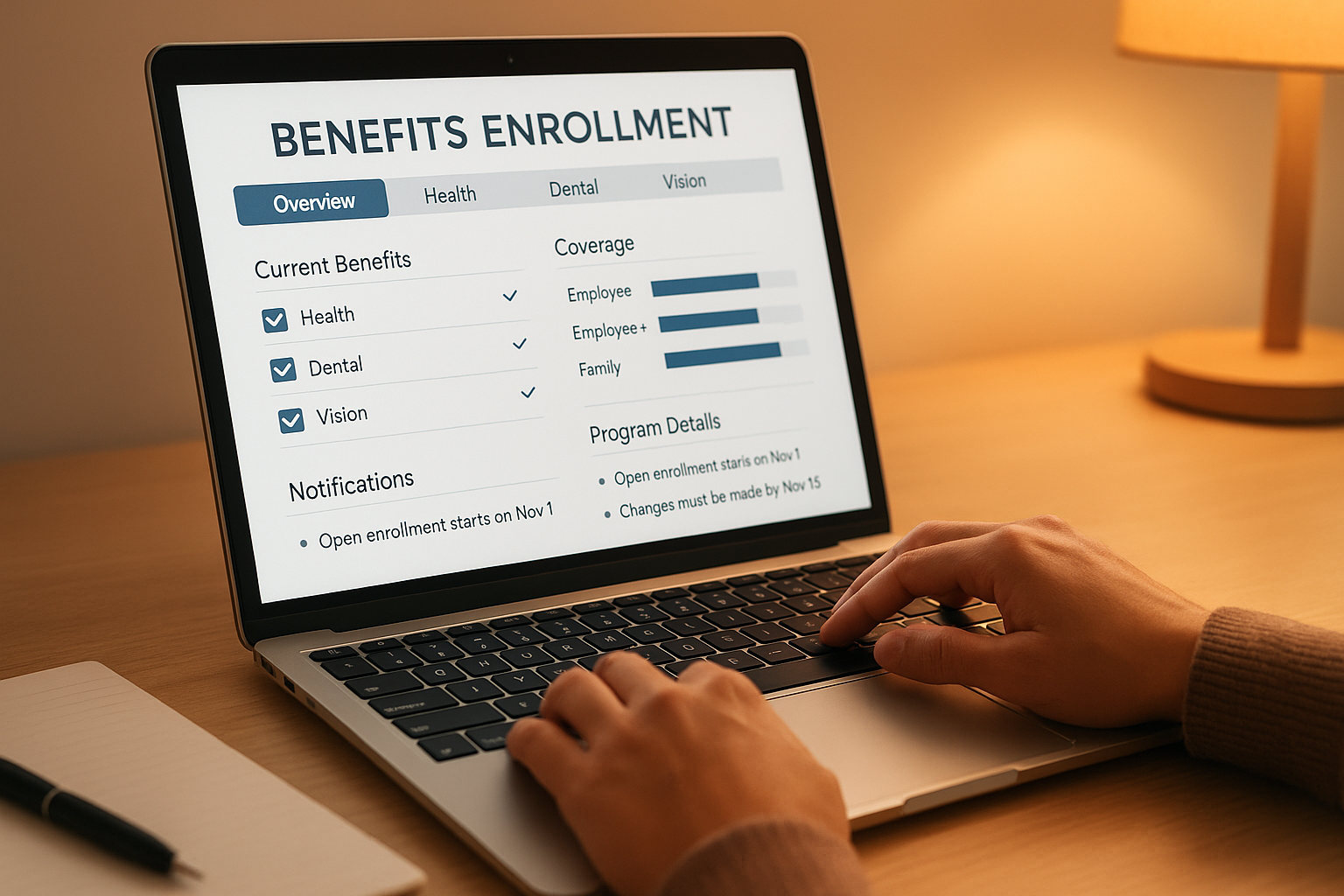
Modern software tools now support much of the human resource administration process, from enrollment to recordkeeping.
Final Thoughts on HR Administration Meaning
Ultimately, understanding HR administration meaning gives growing companies a clearer path toward compliance, stability, and a workplace people actually want to stay in. It’s not the flashiest part of running a business, but it’s the part that keeps everything else standing.
Whether you handle it internally or bring in a partner, treating HR administration as a priority — not an afterthought — pays off in fewer errors and stronger teams. For more on the terminology and how it applies to your organization, review this human resource administration definition resource, or connect with a team that lives this work every day.