Employee offboarding solutions give HR teams and business leaders a structured way to manage an employee’s departure, whether that departure comes from resignation, termination, or retirement. Without a clear process, offboarding can expose a company to compliance risks, lost equipment, and strained relationships with former staff. In this guide, we explain what employee offboarding solutions actually involve, why they matter, and how a growing organization can build one that protects the business while treating departing employees fairly.
Direct answer: Employee offboarding solutions are the combination of policies, checklists, and HR support that guide a company through an employee’s exit, covering final pay, access removal, equipment return, benefits termination, and knowledge transfer. Done well, they reduce legal risk and keep the transition professional for everyone involved.
What Are Employee Offboarding Solutions?
Employee offboarding solutions are the tools, processes, and HR support that guide a company through an employee’s departure—from the final paycheck to equipment return and knowledge transfer. They exist because an employee’s last weeks often carry as much legal and operational risk as their first.
In practice, this means defined steps for payroll, IT, benefits, and management to follow every time someone leaves. Consequently, nothing gets missed simply because the departure happened quickly or under stressful circumstances. For employers without a dedicated HR team, outsourced support can provide this structure without requiring a full internal department.

A clear checklist is at the center of effective employee offboarding solutions.
Why a Strong Offboarding Process Protects Your Business
A disorganized exit can create real financial and legal exposure. For example, missing a state-mandated final pay deadline can result in penalties, while forgetting to revoke system access can leave sensitive data exposed after an employee has left.
According to the U.S. Department of Labor, final paycheck timing requirements vary by state, and employers must follow the rules for the jurisdiction where the employee worked. Similarly, the Equal Employment Opportunity Commission notes that how a termination is documented and communicated can matter if a dispute arises later. Therefore, a consistent offboarding process is not just good practice; it is a practical safeguard.
In addition, a respectful offboarding process protects the employer’s reputation. Former employees often share their experience with future hires, clients, or review sites, so a smooth exit can preserve goodwill even when the departure itself is difficult.
Core Components of an Effective Employee Exit Process
Most effective employee exit processes share a few common building blocks, regardless of company size. First, there is a notification step, where HR, IT, and payroll all learn of the departure at the same time. Second, there is an access and asset recovery step, covering logins, equipment, and building access.
Third, final pay and benefits must be handled accurately and on time, which may involve COBRA notices or Section 125 plan adjustments. Finally, documentation—including exit interview notes and knowledge transfer records—closes out the file. As a result, nothing depends on one person’s memory or availability.
Interestingly, many of these components mirror the structure used in a strong onboarding process, just in reverse. Employers who already use an employee onboarding checklist often find it easier to build a matching offboarding one.
Step-by-Step Offboarding Checklist for HR Teams
Below is a practical sequence that HR teams and managers can adapt to their own organization. Each step builds on the one before it, so skipping ahead can create gaps.
- Notify stakeholders and confirm departure details. Inform the manager, payroll, IT, and benefits administrator of the departure date, reason, and type of exit so each team can prepare its tasks.
- Revoke system access and collect company property. Disable email, software, and building access on the employee’s last day, and collect laptops, keys, and badges before they leave.
- Process final pay and benefits paperwork. Calculate final wages and unused paid time off according to state deadlines, then send required benefits continuation notices.
- Conduct an exit interview. Ask structured questions about the employee’s experience and reasons for leaving, then document the responses for HR review.
- Document knowledge transfer and reassign duties. Capture project details and client relationships in writing, then reassign responsibilities to avoid gaps in coverage.
Common Offboarding Mistakes That Create Risk
Even well-meaning employers make avoidable mistakes during offboarding. One frequent issue is delaying final pay beyond the legal deadline, which can trigger penalties depending on the state. Another is forgetting to revoke access to cloud systems, email, or shared drives, which leaves company data exposed.
Furthermore, skipping the exit interview means losing valuable feedback about management practices or workplace culture. Many HR professionals, including those cited by SHRM, point to inconsistent documentation as a top reason terminations become disputed later. Addressing these gaps early is far easier than correcting them after a complaint is filed.
Finally, some employers treat offboarding as an afterthought compared to hiring. In contrast, the way a company handles goodbyes often shapes its reputation just as much as how it welcomes new hires.

Respectful communication is a key part of employee offboarding solutions that protect company culture.
How Soteria HR Supports a Smooth Offboarding Process
Soteria HR, based in Pasadena, California, works with employers across Los Angeles, Orange County, and nationwide to build repeatable HR processes, including offboarding. Through HR administration and consulting services, Soteria helps document each step so it does not rely on one manager’s memory.
Specifically, this can include coordinating final pay timing with payroll providers, supporting benefits termination and COBRA notices, and helping leaders prepare for difficult conversations. For employers who want tailored support without co-employment, Soteria’s ASO option provides this structure while the client remains the employer and retains responsibility for employment decisions.
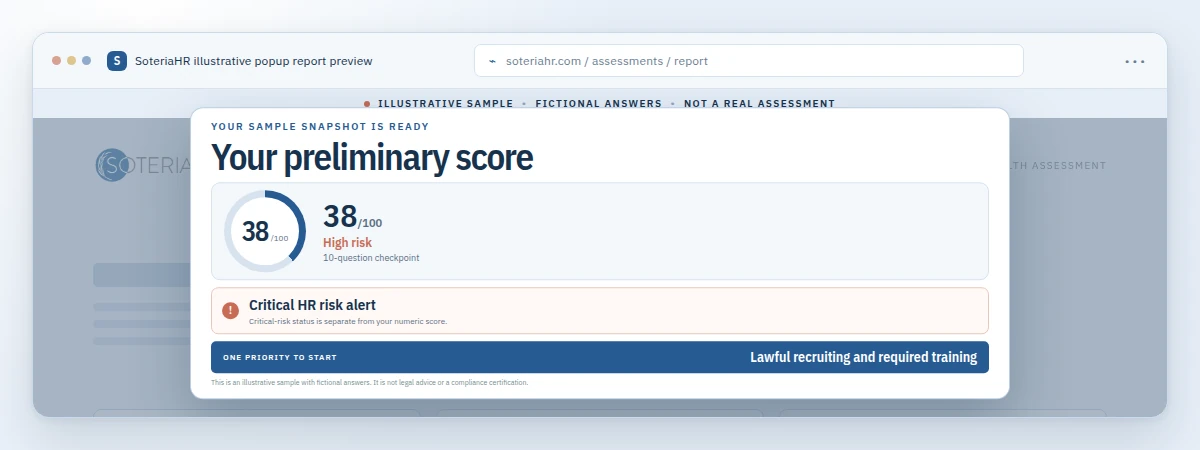
Business leaders who are unsure where their current process has gaps can start with the free HR Health Assessment at soteriahr.ai. The short version takes about two minutes, while the complete assessment takes roughly 10 to 12 minutes and covers broader HR priorities, including offboarding readiness. Results are self-reported and preliminary, not a compliance certification, but they offer a useful starting point for a conversation with an HR professional.
Offboarding vs Onboarding: Why Both Processes Matter
Onboarding and offboarding sit on opposite ends of the employment relationship, yet they require similar discipline. Just as a new hire benefits from an effective onboarding process, a departing employee benefits from a clear exit plan.
In fact, many employers find it helpful to review their definition of onboarding alongside their offboarding steps, since both rely on the same records systems and often the same HR team. Likewise, companies that invest in onboarding technology frequently extend that same technology to manage offboarding tasks like access revocation and document storage.
Above all, treating both ends of the employee lifecycle with equal care signals to current staff that the company handles people matters seriously, from their first day to their last.
Frequently Asked Questions About Employee Offboarding Solutions
What are employee offboarding solutions?
Employee offboarding solutions are the processes, tools, and HR support used to manage an employee’s departure, including final pay, access revocation, equipment return, and documentation. They help employers close out the employment relationship consistently and reduce compliance risk.
How long does the employee offboarding process typically take?
Most offboarding steps, such as access revocation and final paperwork, can be completed within one to two weeks of a departure date. However, benefits continuation notices and final pay timing depend on state rules and can extend the overall timeline.
Why is a structured offboarding process important for small businesses?
A structured process protects company data, reduces legal exposure, and preserves the employer’s reputation with departing staff. Without one, small businesses risk missed deadlines on final pay or benefits notices.
What is the difference between offboarding and termination?
Termination refers specifically to ending employment, whether voluntary or involuntary. Offboarding is the broader process that follows, covering logistics like final pay, equipment return, and knowledge transfer regardless of why the employee left.
How much does it cost to outsource offboarding support?
Costs vary based on company size, the scope of HR support needed, and whether offboarding is bundled into a broader HR administration or ASO engagement. Most outsourced HR providers price services based on employee headcount and selected service tiers.
What should be included in an offboarding checklist?
An offboarding checklist should include access revocation, equipment return, final pay processing, benefits notices, exit interviews, and knowledge transfer documentation. Each item should have an assigned owner and a target completion date.
What are the biggest mistakes companies make during offboarding?
Common mistakes include delaying final pay beyond state deadlines, forgetting to revoke system access promptly, and skipping exit interviews that could reveal workplace issues. These gaps increase legal and security risk.
How does Soteria HR help with employee offboarding?
Soteria HR provides hands-on support for offboarding steps such as final pay coordination, benefits termination, documentation, and compliance considerations as part of its HR administration and consulting services. Clients remain the employer of record throughout.
What happens to employee benefits after offboarding?
Benefits typically end on a date set by the plan documents, and departing employees may be eligible for continuation coverage such as COBRA, where applicable. Employers should confirm notice timelines with their benefits administrator.
Should offboarding differ for voluntary resignations versus terminations?
The core logistical steps, such as access removal and final pay, generally stay the same. However, involuntary terminations often require additional documentation and closer attention to unemployment claims and potential legal exposure.
What are best practices for conducting exit interviews?
Best practices include asking open-ended questions, keeping the tone neutral, and documenting feedback consistently across departures. This information can highlight retention issues before they affect other employees.
Can a small business handle offboarding without an in-house HR department?
Yes, many small and mid-sized employers rely on outsourced HR administration or an ASO partnership to manage offboarding consistently. This gives leaders a repeatable process without building an internal HR team from scratch.

Growing teams often revisit their offboarding process as headcount increases.
Ready to strengthen your offboarding process?
Talk to an HR expert at Soteria HR by calling (800) 399-2458 or submit a consultation request at soteriahr.com. You can also take the free HR Health Assessment at soteriahr.ai to see where your current process stands.
Final Thoughts
Employee offboarding solutions are not just paperwork; they are a practical way to protect a company’s data, compliance standing, and reputation every time someone leaves. By building a consistent checklist, training managers on the exit process, and pairing it with the same discipline used during onboarding, growing organizations can turn a potentially stressful moment into a smooth, professional transition.
Ultimately, whether a company handles offboarding internally or leans on outsourced HR administration and consulting, the goal remains the same: protect the business while treating departing employees with respect. If your organization needs support building or refining its process, Soteria HR’s team is ready to help—because, as the saying goes, we’ve got your back, so you can focus on growth.