
HCM consulting is a specialized advisory service that helps organizations design, implement, and optimize their human capital management strategies — covering everything from HR technology selection to workforce planning and talent development. In short, it bridges the gap between your people strategy and your business goals.
Organizations of every size are realizing that their workforce is their most valuable asset. However, managing that asset effectively requires more than good intentions — it demands structured strategy, the right technology, and expert guidance. That is precisely where HCM consulting delivers its greatest value.
What Is HCM Consulting?
HCM consulting is the practice of advising businesses on how to attract, develop, retain, and manage their people more effectively. A qualified HCM consultant evaluates your current HR processes, identifies gaps, and recommends targeted improvements — often including the adoption or optimization of a human capital management platform.
According to Wikipedia’s overview of human capital management, HCM encompasses the full employee lifecycle — from recruitment and onboarding through performance management, learning, compensation, and succession planning. Consulting services, therefore, span an equally wide range of disciplines.
Furthermore, HCM consulting is not limited to large enterprises. Small and mid-sized businesses increasingly rely on external consultants to build scalable HR foundations without the overhead of a large in-house team.

Expert HCM consulting teams bring cross-functional knowledge to workforce strategy sessions, aligning people goals with broader business objectives.
Why Human Capital Management Advice Matters Now
The stakes for workforce management have never been higher. A 2023 Gallup report found that low employee engagement costs the global economy an estimated $8.8 trillion annually — roughly 9% of global GDP. Consequently, organizations that invest in structured HCM strategies gain a measurable competitive edge.
In addition, the rapid evolution of HR technology — from AI-driven recruiting tools to integrated payroll and benefits platforms — has made expert guidance more essential than ever. Many organizations struggle to evaluate, implement, and adopt these tools without external support.
For a deeper understanding of the consulting landscape, the team at Soteria HR offers practical resources on navigating HR strategy and technology decisions for organizations at every stage of growth.
Key Areas Where HR Technology Guidance Adds Value
HCM consultants typically focus on several high-impact areas. Specifically, these include:
- HR Technology Selection: Evaluating platforms like Workday, SAP SuccessFactors, and Oracle HCM Cloud to find the right fit for your organization.
- Process Redesign: Streamlining recruiting, onboarding, and performance workflows to eliminate redundancy and reduce administrative burden.
- Data and Analytics: Building HR dashboards and reporting frameworks that turn raw workforce data into actionable insights.
- Change Management: Guiding employees and managers through technology transitions to drive adoption and minimize disruption.
- Compliance and Risk: Ensuring HR practices align with current employment law and regulatory requirements. For a deeper walkthrough, see our Importance of HR Compliance: Risks, Benefits, Best Practices.
How to Start an HCM Consulting Engagement
Starting a consulting engagement the right way dramatically improves outcomes. Therefore, follow this structured process to set your project up for success.
- Define Your HR Objectives. Identify the specific workforce challenges or technology gaps you want to address before engaging a consultant. Clear objectives prevent scope creep and help you evaluate proposals accurately.
- Assess Your Current HCM State. Conduct an internal audit of your existing HR processes, technology stack, and workforce data to establish a baseline. This assessment gives consultants the context they need to recommend targeted improvements.
- Research and Select an HCM Consulting Firm. Evaluate potential partners based on industry experience, platform certifications, client references, and cultural fit. Request detailed proposals that outline methodology, deliverables, and pricing.
- Align Internal Stakeholders. Engage HR, IT, finance, and executive leadership early to build consensus around engagement goals and secure the resources needed for a successful implementation.
- Execute, Measure, and Iterate. Launch with agreed milestones, track progress against defined KPIs, and schedule regular reviews to adapt the strategy as organizational needs evolve.
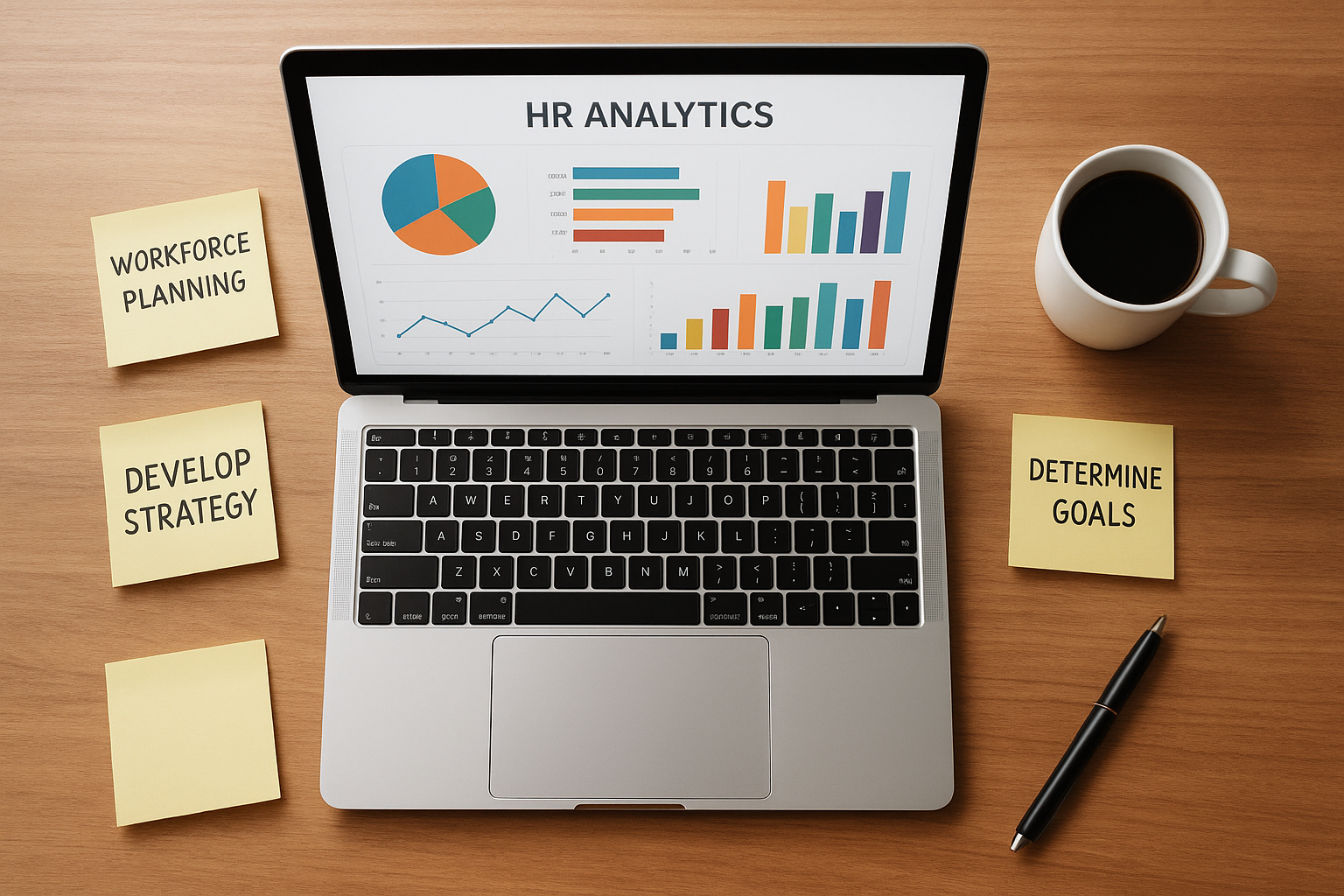
Data-driven dashboards are a cornerstone of effective human capital management consulting, turning workforce metrics into strategic decisions.
Choosing the Right Human Capital Consulting Partner
Not all consulting firms are created equal. As a result, selecting the wrong partner can lead to costly delays, poor technology adoption, and misaligned strategies. Here is what to look for when evaluating your options.
Industry Experience and Platform Expertise
Look for consultants who have worked within your industry. Similarly, verify that they hold certifications or proven experience with the HCM platforms relevant to your needs — whether that is Workday, SAP SuccessFactors, or another system.
Moreover, ask for client references and case studies that demonstrate measurable results. A credible firm will readily share evidence of past success.
Consultative Approach vs. One-Size-Fits-All Solutions
Beware of firms that recommend the same solution to every client. Instead, the best HCM consulting partners invest time in understanding your unique culture, goals, and constraints before proposing a path forward.
You can explore what a genuinely consultative HR approach looks like by visiting this overview of HR consulting services, which outlines how expert advisors tailor their work to each client’s specific situation.
HCM Consulting and Workforce Planning: A Natural Partnership
Workforce planning — the process of forecasting your talent needs and aligning hiring, development, and retention strategies accordingly — is one of the most critical outputs of a strong HCM consulting engagement. In fact, organizations with mature workforce planning practices are 3.5 times more likely to outperform their peers, according to research by Deloitte.
Specifically, HCM consultants help you model future workforce scenarios, identify skill gaps, and build succession pipelines that reduce dependence on reactive hiring. For a practical guide to this process, see workforce planning consulting resources that walk through the methodology in detail.

Workforce planning is a central deliverable of most HCM consulting engagements, helping organizations anticipate talent needs before they become urgent problems.
Common Mistakes to Avoid in HCM Projects
Even well-intentioned HCM initiatives can fall short. However, most failures share predictable root causes. Avoiding these common pitfalls will dramatically improve your chances of success.
- Skipping the discovery phase: Jumping straight to technology selection without fully understanding your current state leads to mismatched solutions.
- Underestimating change management: New systems fail when employees are not properly trained and supported through the transition.
- Ignoring data quality: Migrating dirty or incomplete HR data into a new platform creates long-term reporting and compliance problems.
- Choosing price over fit: The cheapest consulting option rarely delivers the best outcome, especially for complex multi-module implementations.
Frequently Asked Questions About HCM Consulting
What is HCM consulting?
HCM consulting is a specialized advisory service that helps organizations design, implement, and optimize their human capital management strategies, systems, and processes. The goal is to improve workforce performance and align people decisions with business outcomes.
How is HCM consulting different from traditional HR consulting?
Traditional HR consulting often focuses on compliance and policy. HCM consulting takes a broader view, integrating technology platforms, data analytics, talent strategy, and organizational design to align people decisions with business goals.
What does an HCM consultant do?
An HCM consultant assesses your current HR processes, recommends improvements, guides technology selection and implementation, and helps design workforce strategies that support long-term organizational growth.
Which HCM platforms do consultants typically support?
Most HCM consultants support leading platforms such as Workday, SAP SuccessFactors, and Oracle HCM Cloud. The right platform depends on your organization’s size, industry, and specific HR requirements.
How long does an HCM consulting engagement typically take?
Engagement length varies widely. A focused HR technology implementation may take three to six months, while a comprehensive workforce transformation can span one to two years depending on scope and complexity.
What is the cost of HCM consulting services?
Costs depend on scope, firm size, and engagement type. Project-based engagements can range from tens of thousands to several hundred thousand dollars. Retainer arrangements are also common for ongoing advisory support.
What are the most common mistakes organizations make when hiring HCM consultants?
Common mistakes include choosing a consultant based solely on price, failing to define clear objectives upfront, and not involving internal HR stakeholders early in the process. These oversights can lead to misaligned solutions and wasted investment.
Why should a small business consider HCM consulting?
Small businesses benefit from HCM consulting because it provides expert guidance without the cost of a full-time HR executive. Consultants help establish scalable processes, select the right tools, and build a strong people foundation for growth.
What outcomes can organizations expect from HCM consulting?
Organizations typically see improved employee retention, streamlined HR operations, better compliance, and stronger alignment between workforce strategy and business objectives. Technology implementations also reduce manual administrative work significantly.
How do I choose the right HCM consulting firm?
Look for a firm with proven experience in your industry, demonstrated expertise with relevant HCM platforms, strong client references, and a consultative approach that prioritizes your specific business needs over generic solutions.
What is the difference between HCM and HRIS?
HRIS (Human Resource Information System) is primarily a data management tool for storing employee records. HCM is broader, encompassing strategic talent management, workforce planning, learning, performance, and compensation in addition to core HR data functions.
Can HCM consulting help with change management?
Yes. Change management is a core component of most HCM consulting engagements. Consultants help communicate new processes, train employees, and drive adoption of new systems to minimize disruption and maximize ROI.
Conclusion: The Case for Investing in HCM Consulting
In summary, HCM consulting gives organizations the strategic clarity, technical expertise, and change leadership they need to transform their workforce into a genuine competitive advantage. Whether you are selecting a new HR platform, redesigning talent processes, or building a long-term workforce plan, the right consulting partner accelerates results and reduces costly missteps. As workforce complexity continues to grow, the value of expert human capital management guidance will only increase — making now an ideal time to explore what a structured HCM consulting engagement could do for your organization.