When leaders start comparing HR companies names, they’re usually trying to solve a real problem: compliance headaches, hiring struggles, or the sinking feeling that HR is being handled by whoever has five spare minutes. This guide breaks down what those names actually represent, how the major categories of providers differ, and how to evaluate them so you pick a partner that fits your stage of growth rather than a logo you recognize.
Direct answer: HR companies names are the specific outsourced HR providers—ranging from large PEOs to boutique consulting firms—that businesses research and compare when they decide to bring in outside HR expertise instead of building an internal department from scratch.
What Are HR Companies Names, and Why Do They Matter?
HR companies names are simply the identifiable brands and firms that offer outsourced human resources support. In particular, this includes national payroll-and-benefits giants, professional employer organizations (PEOs), and smaller consulting partners that specialize in hands-on strategy. Consequently, the “right” name depends less on size and more on whether the provider’s model matches how your business actually operates.
For growing companies, this matters because HR is not one-size-fits-all. A 15-person startup and a 200-person manufacturer have very different compliance exposure, so the provider that works well for one may be a poor fit for the other.
Why Businesses Search for Outsourced HR Providers
Most searches for HR companies names come from a moment of pain, not idle curiosity. For example, a founder might just have received a wage-and-hour complaint, or a COO might be watching turnover climb without knowing why. As a result, the search is really about finding relief.
In addition, some leaders are simply outgrowing informal HR. Once a company crosses roughly 10 to 15 employees, spreadsheets and good intentions stop being enough. Therefore, they start comparing outsourced HR companies to see what structured support actually looks like.
Common triggers include:
- Compliance exposure across multiple states or California specifically
- Rapid hiring that has outpaced onboarding processes
- Employee relations issues with no formal handbook to reference
- Rising benefits costs without a strategy to manage them
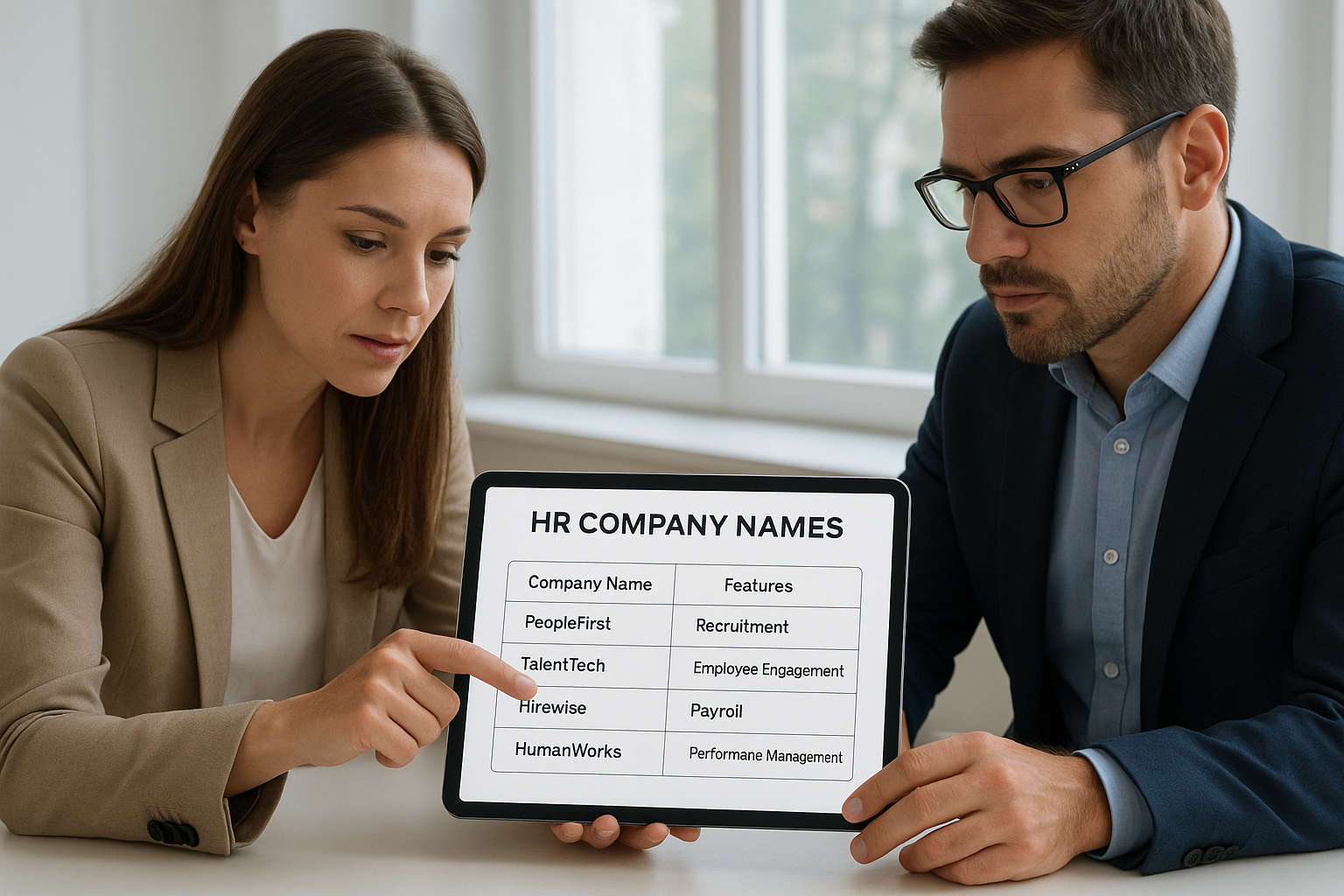
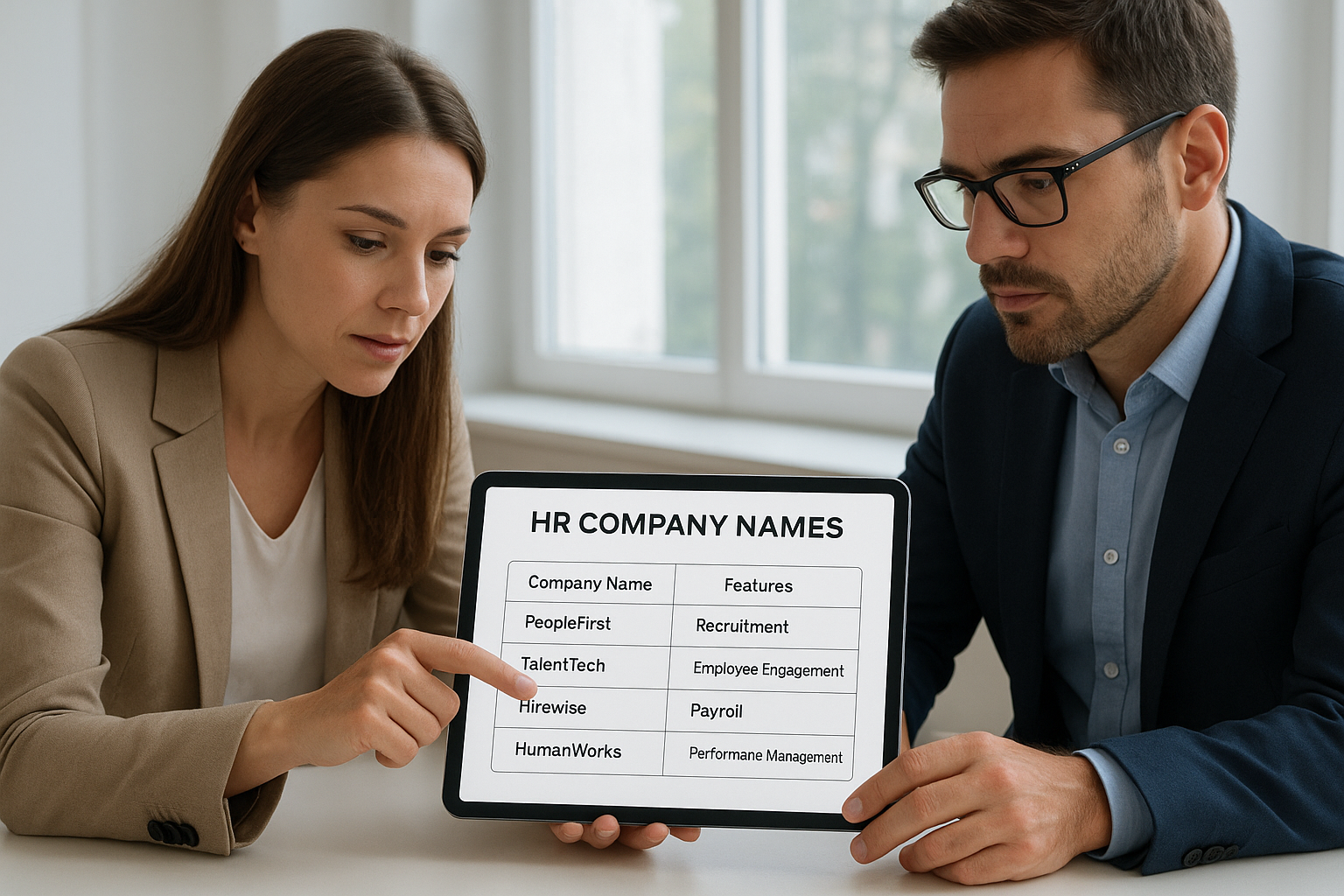
Comparing HR companies names side by side helps leaders spot the right fit before signing a contract.
Types of HR Companies by Name and Service Model
Not every HR company operates the same way, even when the names sound similar. Specifically, most fall into one of three categories, and understanding the difference will save you from comparing apples to oranges.
Professional Employer Organizations (PEOs) act as a co-employer, bundling payroll, benefits, and compliance under a shared employment arrangement. According to the National Association of Professional Employer Organizations (NAPEO), PEOs serve more than 170,000 small and mid-size businesses across the United States, covering several million worksite employees.
Full-service payroll and HR platforms, such as software-driven providers, focus heavily on automation and self-service tools. These work well for straightforward payroll needs but often provide lighter strategic guidance.
HR consulting and outsourcing firms, like Soteria HR, stay outside the employment relationship and instead act as an embedded HR partner. This model suits companies that want tailored, strategic support without giving up direct control of employment.
Well-Known HR Companies Names Worth Recognizing
Before narrowing your search, it helps to know the landscape. Some of the most recognized HR companies names include ADP, Insperity, TriNet, Paychex, Gusto, and Justworks—each with a slightly different focus, from enterprise payroll to startup-friendly PEO bundles.
However, recognition is not the same as fit. Larger names often mean more standardized packages, which can feel rigid for a company that needs a custom HR playbook rather than a template. Similarly, smaller consulting partners may offer less brand familiarity but far more personalized attention.
If you want a deeper breakdown of what full-service support actually includes, this overview of HR consulting services outlines the typical scope in plain terms.
How to Evaluate HR Companies Names Before You Choose
Once you have a shortlist, evaluation should follow a clear process rather than gut feeling alone. Below is a straightforward sequence that works for most growing organizations.
- List your core HR pain points. Write down the specific problems you need solved, such as compliance gaps or a missing employee handbook, so providers can be matched to real needs.
- Build a shortlist of HR companies names. Research three to five providers that serve your industry and company size, noting their service models and specialties.
- Compare service scope and pricing structure. Request proposals that break down exactly what’s included, such as payroll coordination or compliance monitoring, alongside transparent costs.
- Check references and industry experience. Ask each provider for client references in your industry and confirm they understand the regulations that apply to your workforce.
- Schedule a discovery call before deciding. Talk directly with the team you’d work with to gauge responsiveness and whether the relationship feels collaborative.
For a closer look at how service needs shift as headcount grows, this guide on what HR services a growing company needs is a useful next step.

A discovery call is often the deciding moment when comparing outsourced HR partners.
Where Soteria HR Fits Among Outsourced HR Providers
Soteria HR serves growth-minded small and mid-size businesses, typically between 10 and 250 employees, that need professional HR support without the overhead of a full internal department. Unlike a PEO, Soteria does not become a co-employer; instead, it acts as an embedded partner that builds custom HR playbooks, manages compliance risk, and coordinates payroll and benefits alongside your existing systems.
This matters for industries like technology, healthcare, manufacturing, and professional services, where regulatory exposure varies significantly. Moreover, multi-state and California employers face layered compliance rules that generic packages often miss.
If your team is weighing options, it’s worth exploring how an HR company tailored to small businesses compares to larger, one-size-fits-all providers, or reviewing outsourced HR services designed around your growth stage.
Common Mistakes When Comparing HR Company Names
Even careful leaders stumble here. Above all, the most frequent mistake is choosing based on price alone, without checking whether the scope of service actually covers compliance and employee relations support.
Another common misstep is skipping reference checks. Similarly, some companies assume every provider handles multi-state compliance equally well, which is rarely true. Finally, leaders sometimes ignore contract flexibility, locking into a long term before confirming the relationship works day to day.
According to the Society for Human Resource Management (SHRM), HR compliance complexity continues to be one of the top concerns cited by small business leaders each year, which underscores why fit matters more than familiarity.
Building Your Shortlist the Right Way
Instead of starting with a generic list of HR companies names, start with your own requirements. Consequently, you’ll spend less time on demos that don’t fit and more time on conversations that actually move you forward.
For further background on how outsourced solutions map to different growth stages, this guide to HR solutions for growing businesses is a helpful companion resource, as is the Soteria HR homepage for a direct look at current service offerings.
You can also review general guidance on employer compliance obligations directly from the U.S. Department of Labor, and background on the broader HR function via Wikipedia’s overview of human resources.
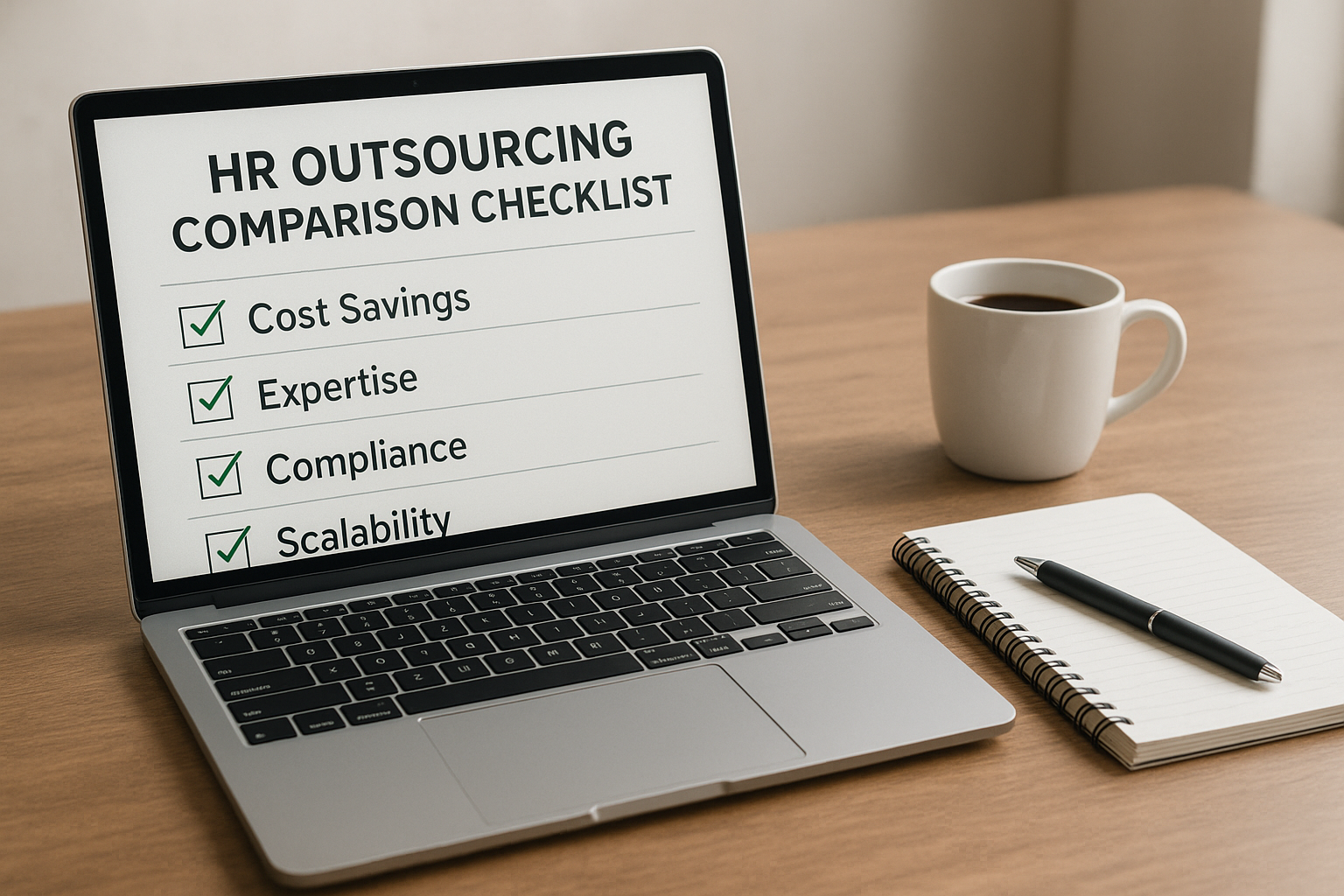
A simple checklist keeps the search for HR companies names focused on fit, not just familiarity.
Frequently Asked Questions About HR Companies Names
What are HR companies names?
HR companies names refer to the specific outsourced HR providers, PEOs, and consulting firms that businesses research when they need outside support for compliance, payroll, benefits, or workforce strategy. Knowing these names helps leaders compare options before committing to a partner.
How do I choose the right HR company for my business?
Start by listing your biggest pain points, such as compliance risk or turnover, then compare providers based on service scope, pricing structure, and industry experience. A short discovery call usually reveals whether the fit is right.
Why do businesses outsource HR instead of hiring in-house?
Outsourcing gives growing companies access to experienced HR leadership without the cost of a full-time department. It also reduces compliance risk since outsourced partners track changing employment laws on the client’s behalf.
What’s the difference between a PEO and an HR consulting firm?
A PEO, or professional employer organization, becomes a co-employer and typically bundles payroll, benefits, and HR under one contract. An HR consulting firm like Soteria HR usually stays outside the employment relationship and offers more flexible, tailored support.
How much do HR outsourcing companies typically cost?
Pricing varies widely, from per-employee monthly fees with PEOs to flat retainers with consulting firms. Most growing companies pay less than the cost of one full-time HR hire for a broader range of expertise.
How long does it take to switch to a new HR provider?
A typical transition takes two to six weeks depending on complexity, including data migration, handbook review, and payroll setup. Providers with strong onboarding processes can often move faster.
What mistakes do businesses make when comparing HR companies names?
Many leaders focus only on price and overlook contract flexibility, response times, and industry fit. Others skip checking references, which can lead to unpleasant surprises after signing.
What should a small business look for in an HR company?
Look for proactive compliance monitoring, clear communication, and a service model that scales as headcount grows. It also helps to choose a partner who understands your specific industry’s regulatory landscape.
Can HR companies help with compliance in multiple states?
Yes, many outsourced HR providers specialize in multi-state and California-specific compliance, which involves layered wage, leave, and safety rules. This is especially valuable for remote or distributed teams.
Is Soteria HR a PEO or an HR consulting firm?
Soteria HR operates as an outsourced HR consulting partner rather than a PEO, meaning your company keeps direct control of employment while gaining strategic and administrative HR support. This model suits businesses that want tailored guidance without co-employment.
What size businesses benefit most from outsourced HR?
Companies with roughly 10 to 250 employees tend to gain the most value, since they face real HR complexity but often lack a dedicated HR leader. This range covers the point where informal HR processes start breaking down.
Do HR companies handle payroll too?
Many do, either by running payroll directly or coordinating closely with existing payroll systems. Confirm whether a provider processes payroll itself or simply supports your current software.
Final Thoughts on Choosing Among HR Companies Names
Ultimately, the goal of researching HR companies names isn’t to find the biggest brand—it’s to find the partner that fits how your business actually runs. Whether that means a PEO, a payroll platform, or an embedded consulting firm like Soteria HR, the right choice will reduce compliance risk, support your team, and free up leadership to focus on growth instead of paperwork.
If you’re ready to move past comparison lists and talk through your specific situation, talk to an HR expert at Soteria HR to see what a tailored approach could look like for your team.