Workplace culture enhancement is the deliberate, ongoing work of improving how employees communicate, feel supported, and perform at a company. For growing organizations, this is no longer a nice-to-have. In fact, culture now sits alongside pay and benefits as a top reason people stay with or leave an employer.
However, many founders and operations leaders feel unsure where to start. Below, we break down what workplace culture enhancement actually involves, why it matters, and how to approach it step by step without overhauling everything at once.
Quick answer: Workplace culture enhancement means using structured HR practices—clearer policies, manager training, consistent communication, and feedback loops—to improve how employees experience work day to day. Companies that invest in it tend to see stronger retention, engagement, and performance over time.
What Is Workplace Culture Enhancement?
Workplace culture enhancement is the structured effort to strengthen the shared behaviors, communication patterns, and expectations that shape daily work life. Specifically, it covers how managers give feedback, how decisions get communicated, and how consistently policies are applied across teams.
Unlike a one-time event, such as a company retreat or a new mission statement, enhancement is continuous. For example, a business might start by fixing inconsistent onboarding, then move to manager training, then address recognition practices. As a result, culture improves in layers rather than all at once.
To understand the baseline, it helps to first clarify what workplace culture actually is before trying to change it. Culture is not simply perks or office design; it is the pattern of behavior employees experience every day.

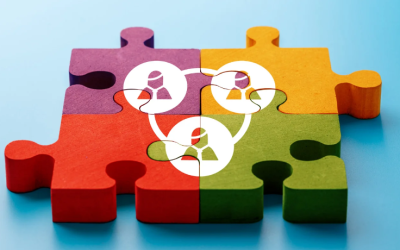
Open discussion is often the starting point for workplace culture enhancement at growing companies.
Why Company Culture Improvement Matters for Growing Employers
As companies grow past the founder-knows-everyone stage, culture tends to drift unless someone manages it on purpose. Consequently, what felt informal and supportive at 15 employees can feel chaotic and unfair at 80 employees without clear policies and consistent leadership behavior.
According to Gallup’s long-running workplace research, global employee engagement has hovered near just 23 percent in recent years, which means most organizations still have significant room to improve how connected employees feel to their work (Gallup, Workplace Research). Similarly, SHRM’s culture research consistently links poor culture to higher turnover costs and lower productivity (SHRM).
In addition, a strong culture directly supports recruiting. Candidates research employer reputation before accepting offers, and above all, current employees talk. Therefore, culture problems rarely stay internal for long; they show up in review sites, referrals, and applicant quality.
For a deeper look at the business case, see this breakdown of the benefits of a positive workplace culture and how it connects to measurable outcomes like retention and performance.
Core Elements of a Strong Workplace Culture
Before jumping into tactics, it helps to understand what a strong workplace culture is actually built from. Generally, enhancement efforts focus on a handful of core elements.
- Clear expectations: Employees understand their role, how performance is measured, and how decisions are made.
- Consistent policies: Rules apply the same way across teams, reducing perceptions of favoritism.
- Manager quality: Frontline supervisors model respect, fairness, and timely feedback.
- Open communication: Employees feel comfortable raising concerns without fear of retaliation.
- Recognition: Good work is acknowledged in ways employees actually value.
Notably, none of these elements require a large budget. Instead, they require consistency, which is why many companies benefit from a structured guide, such as this complete guide to building a strong workplace culture, rather than guessing at what to prioritize first.
How to Strengthen Workplace Culture: A Step-by-Step Process
Workplace culture enhancement works best as a structured process rather than a single initiative. Below is a practical sequence many HR teams follow.
- Assess current culture and employee sentiment. Gather feedback through anonymous surveys, exit interview themes, and manager observations to identify specific gaps in communication, recognition, or trust before making any changes.
- Define priorities and desired behaviors. Translate assessment findings into a short list of specific behaviors and outcomes leadership wants to see, such as faster feedback cycles, rather than vague values statements.
- Update policies and train managers. Revise handbooks, feedback processes, and onboarding materials, then train managers directly since frontline supervisors shape most employees’ daily experience of the organization.
- Communicate changes consistently. Share the reasons behind new policies through multiple channels and repeat the message over several months so employees see follow-through rather than a one-time announcement.
- Measure results and adjust. Track turnover, survey scores, and manager feedback on a regular schedule, then adjust training or policy emphasis based on what the data actually shows.
For additional tactics within each step, this list of best ways to build a positive workplace culture offers concrete examples employers can adapt.

Consistent manager feedback is a core part of lasting workplace culture enhancement.
Common Mistakes That Undermine Culture Enhancement Efforts
Even well-intentioned efforts can stall. Therefore, it helps to watch for a few predictable mistakes.
- Treating culture work as a one-time event instead of an ongoing process.
- Relying on perks, such as snacks or events, while ignoring inconsistent management.
- Skipping manager training, even though supervisors shape most daily experiences.
- Failing to measure progress, which makes it impossible to know what is working.
- Announcing values without updating the policies that actually govern behavior.
Employment-related policy changes should also reflect current federal and state requirements. For general reference on workplace standards, the U.S. Department of Labor publishes guidance that HR teams often use alongside internal policy reviews.
How Soteria HR Supports Workplace Culture Enhancement
Soteria HR works with growing organizations across Los Angeles, Orange County, and nationwide to turn culture priorities into workable processes. Specifically, this includes HR consulting on employee relations and performance, HR administration for policies and onboarding, and benefits administration that supports day-to-day employee experience.
For companies without a full internal HR department, Soteria’s ASO option provides tailored support without co-employment, meaning the client remains the employer of record. Meanwhile, companies with existing HR teams can use Soteria as an extension of their capacity rather than a replacement.
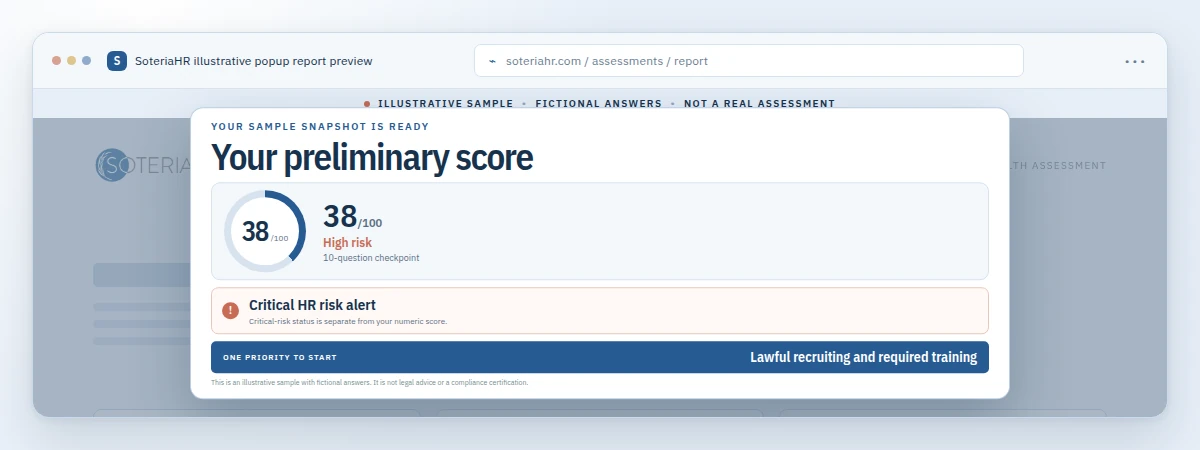
To better understand current gaps, many leaders start with the free HR Health Assessment at soteriahr.com, which includes a short Quick HR Check and a more detailed Complete HR Health Assessment. These results are self-reported and preliminary, not a certification of compliance, but they offer a useful starting point for a conversation.
If culture concerns connect to broader questions about identity and values, this piece on what your company culture is and why it matters is a useful companion resource.

Structured review helps HR teams prioritize the right workplace culture enhancement steps.
Frequently Asked Questions About Workplace Culture Enhancement
What is workplace culture enhancement?
Workplace culture enhancement is the ongoing process of improving how employees communicate, collaborate, and feel supported at work through better policies, training, and leadership practices. It typically involves assessing current conditions, setting priorities, and reinforcing changes over time.
How long does workplace culture enhancement take to show results?
Most organizations see early signs of progress, such as improved communication, within three to six months of consistent effort. Deeper shifts in engagement and retention usually take twelve months or longer to fully take hold.
Why is workplace culture important for small and mid-sized businesses?
Smaller employers often compete for talent against larger companies with bigger budgets, so a strong culture becomes a key differentiator. A healthy culture supports retention, productivity, and employer reputation without requiring large financial incentives.
What are signs a company needs workplace culture enhancement?
Rising turnover, frequent complaints, low morale, and inconsistent manager behavior are common warning signs. Declining engagement survey scores or difficulty attracting applicants can also signal that culture work is overdue.
How much does workplace culture enhancement cost?
Costs vary widely depending on company size, current gaps, and whether work is handled internally or with outside HR support. Many organizations start with a lower-cost assessment before investing in ongoing consulting or training.
What is the difference between workplace culture enhancement and employee engagement?
Employee engagement measures how motivated and connected employees feel day to day, while workplace culture enhancement is the broader, ongoing work of shaping the environment that drives that engagement. Culture improvement is the cause; engagement scores are one of the effects.
How can leadership improve company culture?
Leaders improve culture by modeling the behaviors they expect, communicating consistently, and holding managers accountable for how they treat employees. Visible, repeated action matters more than mission statements or posters.
What role does HR play in culture improvement?
HR designs the policies, training, and feedback systems that translate leadership intentions into daily practice. HR also tracks data, such as turnover and survey results, to show whether culture efforts are working.
What are common mistakes companies make when trying to improve culture?
Common mistakes include treating culture as a one-time event, relying only on perks instead of policy and behavior change, and failing to train managers who shape daily employee experience. Skipping measurement is another frequent error.
How do you measure workplace culture improvement?
Organizations typically combine employee surveys, turnover and retention data, exit interview themes, and manager feedback to track progress. Comparing results over time, rather than relying on a single snapshot, gives a clearer picture.
Can outsourced HR help with workplace culture enhancement?
Yes, outsourced HR partners can bring structured assessment tools, policy expertise, and manager training that many growing companies lack internally. This support complements, rather than replaces, leadership’s role in modeling culture day to day.
What is the first step in building a stronger workplace culture?
The first step is an honest assessment of current conditions, including employee feedback, turnover patterns, and manager practices. Without this baseline, it is difficult to know which priorities will make the biggest difference.
Final Thoughts on Workplace Culture Enhancement
Ultimately, workplace culture enhancement is not a slogan or a single event; it is a sustained HR process built on honest assessment, clear policy, consistent manager behavior, and ongoing measurement. Companies that treat it this way tend to see steadier retention and stronger engagement over time, while those that rely only on perks often see little lasting change.
If your organization is ready to move from good intentions to a structured plan, Soteria HR can help assess priorities and build a workable path forward. Call (800) 399-2458 or submit a consultation request to talk to an HR expert, or start with the free HR Health Assessment at soteriahr.com to identify your organization’s most pressing culture gaps.