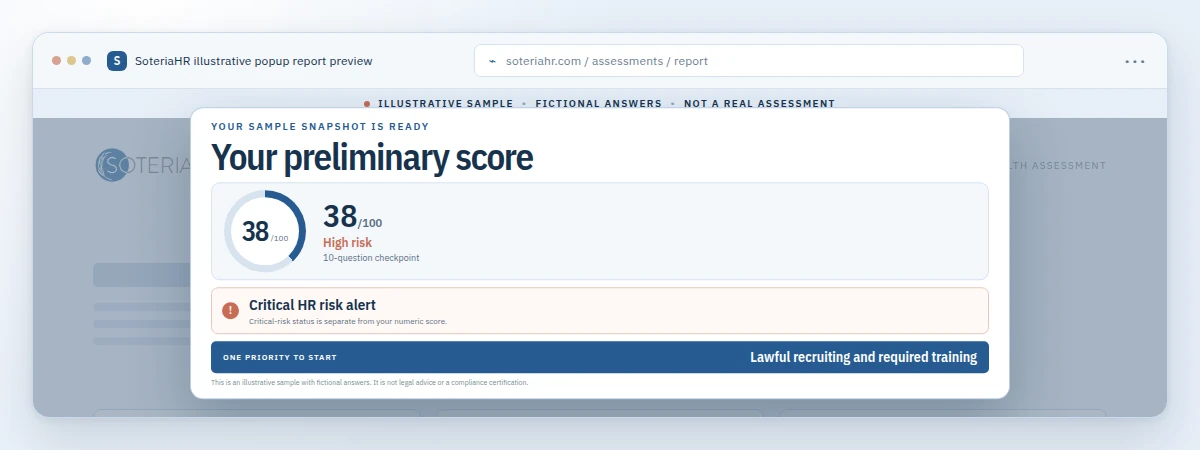
An HR services price list is the first thing most business owners search for when HR workload starts slowing growth — and one of the hardest things to actually find online. Pricing in the HR industry is notoriously opaque. However, understanding the key pricing models, service tiers, and hidden costs puts you in complete control of the conversation before you talk to a single vendor.
This guide gives you a thorough, realistic breakdown of what HR services cost in 2025 — covering every major pricing model, what each tier includes, how to compare providers fairly, and exactly what to watch out for in the fine print.
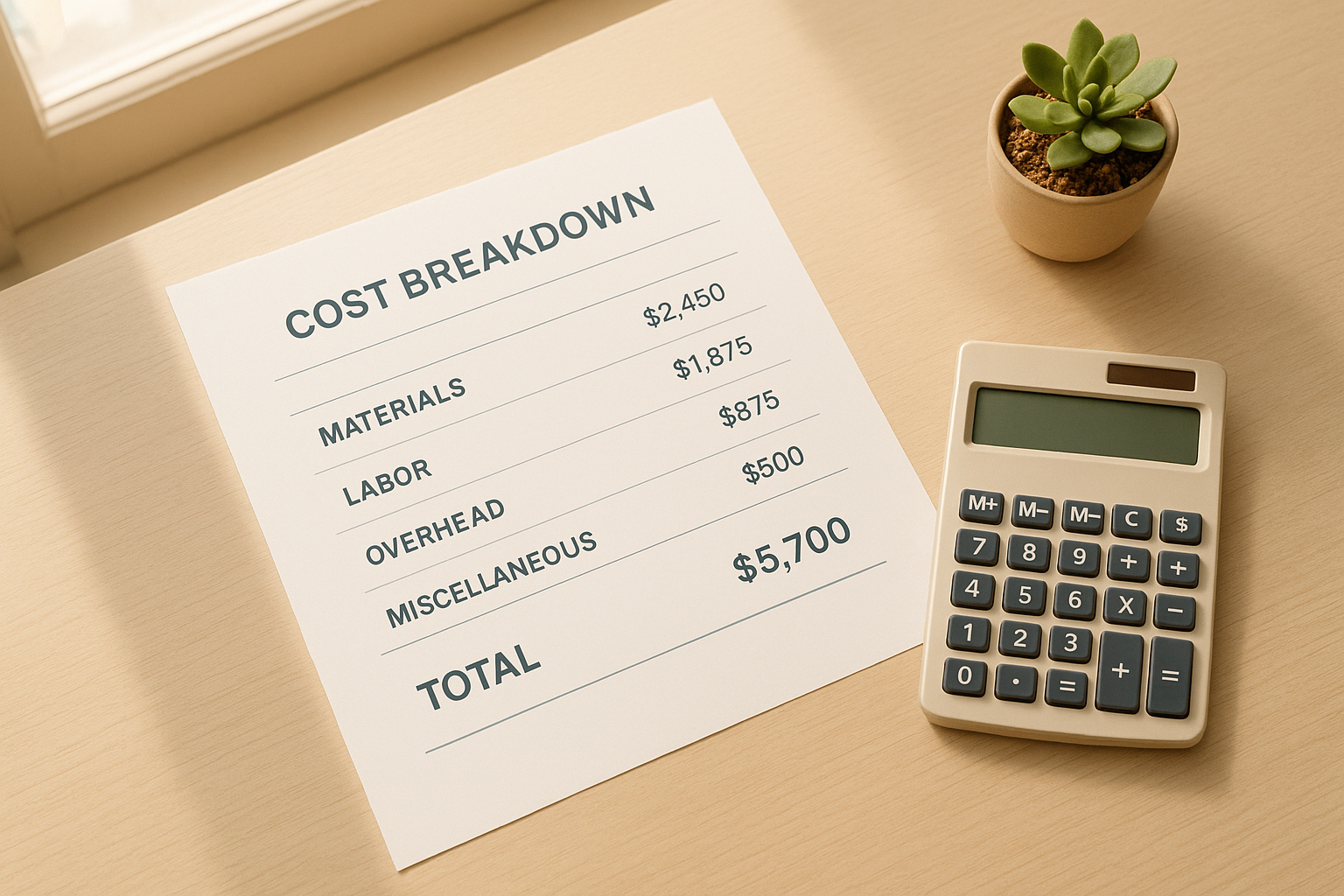
A clear HR services price list helps business owners budget accurately and avoid costly surprises.
What Is an HR Services Price List? (And Why It Matters)
An HR services price list is a structured breakdown of the costs associated with outsourcing human resources functions — such as compliance management, hiring support, onboarding, benefits administration, and strategic HR consulting. It is typically organized by pricing model, service tier, or per-employee rate.
In plain terms, it answers: “What will I actually pay for professional HR help?” Unfortunately, most providers do not publish a public rate card. Therefore, understanding the standard pricing structures puts you in a stronger negotiating position before you request a single quote.
According to SHRM (Society for Human Resource Management), the average cost of HR per employee varies widely based on whether you use in-house staff, a Professional Employer Organization (PEO), or a dedicated outsourcing partner. Knowing which bucket you fall into changes your budget dramatically.
Why HR Pricing Is Rarely One-Size-Fits-All
HR needs differ dramatically between a 12-person e-commerce startup and a 180-person manufacturing firm. As a result, most reputable HR outsourcing firms — including Soteria HR — tailor their pricing to your specific situation rather than presenting a rigid menu.
Key factors that shape your cost include your total employee count, whether you operate across multiple states, the depth of services you need, your industry’s compliance complexity, and how proactively you want your HR partner involved day-to-day.
HR Services Price List: At-a-Glance Cost Ranges
Before diving into detail, here is a quick-reference snapshot of what businesses typically pay for each type of HR service arrangement in 2025.
Breaking Down Every HR Pricing Model in Detail
Understanding each pricing model gives you the power to compare providers on equal footing. Here is a detailed look at how each structure works in practice — including real-world cost examples.
1. Per Employee Per Month (PEPM)
PEPM — short for Per Employee Per Month — is the most common model used by full-service HR outsourcing firms. You pay a fixed rate for each person on your payroll every month. Rates generally fall between $50 and $200 per employee, depending on the depth of services included.
Real-world example: A 40-person company paying $100 PEPM would budget $4,000 per month — or $48,000 annually. That is often less than half the fully-loaded cost of a single in-house HR manager, and it typically gives you access to a broader range of expertise across compliance, hiring, and employee relations.
Furthermore, PEPM scales with your headcount. As you grow, costs increase proportionally — which makes budgeting highly predictable. This model works best for companies with a relatively stable employee count and a consistent set of HR needs each month.
2. Flat Monthly Retainer
A flat monthly retainer gives you a fixed cost regardless of employee count fluctuations. Retainers typically range from $1,500 to $6,000 per month, depending on service scope and the size of your organization. This model works especially well for companies that need consistent, embedded HR partnership — not just occasional help.
Specifically, retainer-based relationships tend to deliver better long-term outcomes. Your HR partner becomes deeply familiar with your team, culture, and compliance environment over time. Consequently, they can spot problems before they escalate — rather than reacting after something goes wrong.
3. Hourly or Project-Based Consulting
Hourly consulting is ideal for discrete, bounded projects — like a compliance audit, employee handbook update, compensation benchmarking study, or a specific workplace investigation. Rates generally run $100 to $300 per hour for experienced HR professionals.
However, if you need ongoing support, hourly billing can become unpredictable and costly fast. A complex investigation or multi-state compliance review can run dozens of hours. Therefore, project-based engagements are best reserved for well-scoped, time-limited needs.
4. PEO (Professional Employer Organization)
A Professional Employer Organization (PEO) enters into a co-employment relationship with your business — meaning they share legal responsibility for your employees. PEOs typically charge 2% to 12% of total payroll, or between $40 and $160 PEPM depending on the structure.
PEOs bundle payroll processing, benefits administration, and HR compliance into a single package. In contrast, traditional HR outsourcing firms often offer more flexibility, deeper customization, and a more consultative service model at comparable or lower cost — without the co-employment complexity.
5. À La Carte or Modular HR Services
Many providers offer modular, function-specific HR services. You can outsource only payroll coordination, only compliance audits, or only recruiting support — without committing to a full-service package. Pricing for modular services varies significantly by function. For example:
- Recruiting / Talent Acquisition Support: $2,000–$8,000 per placement, or 15–25% of first-year salary for retained search
- Payroll Administration: $20–$100 per employee per month, or $200–$500/month flat for small teams
- Compliance Audits: $1,500–$5,000 per audit, depending on scope and number of states covered
- Employee Handbook Creation: $1,500–$4,000 as a one-time project
- Benefits Administration: $4–$12 per employee per month, depending on platform and complexity
This level of specificity is often missing from generic HR services price lists — but it matters when you are evaluating whether to outsource one function or all of them.

Reviewing an HR services price list with a trusted advisor helps you find the right fit for your budget and growth stage.
What Is Included at Each HR Service Price Tier?
Not all HR outsourcing packages are created equal. In general, services are grouped into tiers based on service depth and strategic involvement. Here is a detailed breakdown of what each tier typically covers — and what it does not.
🌱 Essential / Entry-Level Tier — $50–$80 PEPM
- HR administration and document management
- Basic federal and state compliance monitoring
- Employee handbook creation and annual updates
- New hire onboarding and offboarding support
- Access to HR advisor for routine questions
- Job description templates and offer letter support
What it typically does NOT include: Recruiting support, benefits brokering, multi-state compliance, or strategic HR planning.
📈 Growth / Mid-Level Tier — $80–$150 PEPM
- Everything in the Essential Tier, plus:
- Benefits management and open enrollment coordination
- Recruiting support and candidate screening
- Performance management frameworks and tools
- Manager coaching and employee relations guidance
- Proactive HR advisory and compliance alerts
What it typically does NOT include: Full HR leadership, custom culture strategy, or multi-state payroll coordination at the strategic level.
🏆 Strategic / Full-Service Tier — $150–$200+ PEPM or Premium Retainer
- Everything in the Growth Tier, plus:
- Fractional CHRO or HR leadership engagement
- Custom HR playbooks and culture strategy development
- Multi-state compliance management
- Payroll coordination and HRIS platform management
- On-demand executive HR counsel
- Succession planning and workforce development strategy
Best for: Companies scaling rapidly, navigating M&A, or operating across multiple states where compliance risk is high.
How to Evaluate an HR Services Price List Step by Step
Comparing HR providers on price alone is one of the most common — and costly — mistakes business owners make. Instead, follow this structured process to evaluate true value and total cost of ownership.
- Audit your current HR needs and pain points. List every HR task your team handles — payroll, compliance, hiring, onboarding, benefits, employee relations. Identify which ones drain the most time or carry the most legal risk. This baseline shapes everything.
- Choose a pricing model that fits your size and style. Determine whether PEPM, a flat retainer, modular services, or project-based fees best align with your employee count, budget predictability needs, and the consistency of your HR demands.
- Request fully itemized quotes from at least three providers. Ask each provider to specify exactly what is included — and what costs extra. This is how you catch hidden fees for investigations, terminations, or compliance updates that some providers bill separately.
- Compare total cost of ownership, not just the headline rate. Factor in setup fees, per-incident charges, multi-state surcharges, and HRIS platform costs. Also consider the cost of compliance fines, employee turnover, and leadership time saved. These numbers often dwarf the base service fee.
- Evaluate the provider’s proactivity and strategic depth. A proactive HR partner who spots legal exposure before it escalates is worth far more than a reactive vendor who waits for your call. Ask specifically how each provider handles compliance law changes, employee relations issues, and strategic planning support.
- Ask about scalability and contract flexibility. Your business will grow. Make sure your HR partner’s pricing model scales sensibly with headcount increases, and confirm what the exit terms look like if your needs change.
Hidden Costs to Watch for in Any HR Services Price List
Even a well-structured HR services price list can conceal costs that add up quickly. Specifically, watch for these common add-ons that providers frequently exclude from their headline rates.
- Onboarding or setup fees: Some providers charge $500 to $2,500 to get you started. Always ask upfront before signing.
- Per-incident billing: Certain providers bill separately for workplace investigations, terminations, or policy rewrites — tasks that a genuine full-service partner would handle as part of the standard retainer.
- Multi-state compliance surcharges: If your team spans multiple states, expect additional fees to manage the varying employment laws in each jurisdiction. This can add $10–$30 PEPM or more.
- HRIS and technology platform costs: Some HR outsourcing arrangements bundle HR Information System (HRIS) software — a digital platform for managing employee records and workflows — into the package. Others do not, meaning you may need to separately budget $4–$15 PEPM for an HR system like BambooHR, Rippling, or Gusto.
- Recruiting or placement fees: If your provider offers recruiting as a separate service, expect either a percentage of first-year salary (15–25%) or a flat per-placement fee. Confirm whether this is included in your tier or billed additionally.
- Contract termination clauses: Some providers lock clients into 12-to-24-month agreements with early termination penalties. Read the fine print before you commit.
Consequently, always request a comprehensive total-cost estimate — not just the headline monthly rate — before signing any service agreement. You can also explore what comprehensive HR outsourcing services typically cover to benchmark what a full-service provider should include without extra charges.
HR Outsourcing vs. In-House HR: A True Cost Comparison
One of the most important questions any HR services price list should answer is: How does outsourced HR compare to simply hiring someone? The numbers tell a clear story.
In addition, an in-house HR manager can only cover one person’s expertise. In contrast, an outsourced HR partner gives you access to an entire team — including specialists in employment law, benefits, recruiting, and compliance — for a comparable or lower total investment.
Is Outsourced HR Worth the Cost? The ROI Case
The short answer is yes — for most growing businesses, outsourced HR delivers measurable return on investment. According to research from NAPEO (National Association of Professional Employer Organizations), businesses using outsourced HR or PEO services grow 7–9% faster and have 10–14% lower employee turnover than those that manage HR entirely in-house.
Furthermore, the cost of a single HR mistake can easily exceed an entire year’s worth of outsourced HR fees. Consider these real financial exposures:
- Misclassified employee (contractor vs. W-2): Back taxes, penalties, and benefits owed can run $5,000–$50,000+ per worker
- Missed compliance deadline (FMLA, ADA, FLSA): Federal fines ranging from $1,000 to $10,000 per violation, plus litigation exposure
- Poorly handled termination: Wrongful termination settlements average $40,000 in the U.S., according to EEOC data
- High employee turnover: Replacing a mid-level employee typically costs 50–200% of their annual salary in recruiting, training, and lost productivity
In other words, you are not just buying HR services. You are buying protection, expertise, and peace of mind. For companies between 10 and 250 employees, outsourced HR services typically deliver the strongest return — especially when the provider acts as a true strategic partner rather than a purely administrative vendor.

The ROI of professional HR support often far exceeds the cost — especially when compliance risk and employee turnover are factored in.
HR Pricing by Business Size: What to Budget at Each Stage
Your company’s size is one of the biggest drivers of what you should expect to pay. Here is a realistic budget guide based on typical headcount ranges.
1–15 Employees: Start-Up / Early Stage
At this stage, you likely need help with foundational HR infrastructure — a compliant employee handbook, proper classification of workers, onboarding processes, and basic compliance monitoring. Modular or project-based services are often the most cost-effective option. Expect to budget $500–$3,000 for foundational setup, plus $1,500–$2,500/month for ongoing support.
16–50 Employees: Growth Stage
At this size, HR complexity increases significantly. You need consistent compliance monitoring, manager support, benefits coordination, and recruiting guidance. A PEPM model at $75–$125 per employee per month is often ideal. For a 30-person company, budget $2,250–$3,750/month.
51–150 Employees: Scaling Stage
At scale, you need a strategic HR partner who functions like an embedded member of leadership. Full-service outsourcing or a premium retainer is most appropriate. Expect $5,000–$12,000+/month, depending on service depth and whether recruiting or multi-state compliance is included.
150+ Employees: Enterprise / Hybrid Model
At this size, many companies hire at least one internal HR generalist and supplement with outsourced HR for specialized functions (compliance, benefits, investigations, strategic consulting). A hybrid model typically costs less than a fully in-house department while maintaining access to specialized expertise.
How to Choose the Right HR Partner for Your Budget
Price matters, but the right HR partner is more than the cheapest option on the list. Specifically, look for these qualities when evaluating any provider against their price list.
- Proactive communication: Do they alert you to new employment laws before they take effect, or do they wait for you to ask?
- Dedicated point of contact: Will you always speak with the same HR professional who knows your business, or rotate through a call center?
- Transparent pricing documentation: Do they provide a clear written breakdown of what is included at each tier — and what triggers additional billing?
- Industry experience: Some HR providers specialize in specific sectors (tech, healthcare, manufacturing). Relevant experience matters for compliance accuracy.
- Scalability: Can they grow with you — from 15 to 100 to 250 employees — without forcing you to switch providers or renegotiate from scratch?
- Cultural alignment: Your HR partner will interface with your employees. Ensure their communication style and values align with the culture you are building.
For additional guidance, explore what to look for in HR outsourcing companies before making a final decision. Similarly, you can review strategic HR advisory services to understand what high-value HR partnership looks like in practice.
How Soteria HR Approaches Pricing
Soteria HR works with growth-minded small and mid-sized businesses — typically between 10 and 250 employees — that need professional HR support without the overhead of a full-time department. Rather than publishing a rigid, one-size-fits-all rate card, Soteria builds custom pricing around your actual needs, team size, and growth trajectory.
That means you are not paying for services you do not need — and you are not left without coverage in areas that matter most. Whether you need a complete employee handbook, multi-state compliance management, benefits coordination, or embedded strategic HR leadership, Soteria structures a solution that fits your specific situation.
Additionally, Soteria’s approach is proactive by design. Rather than waiting for problems to land in your inbox, your Soteria HR partner monitors compliance changes, flags risks early, and helps you build HR infrastructure that scales with your team.
Frequently Asked Questions About HR Services Pricing
What is a typical hr services price list for small businesses?
A typical HR services price list for small businesses ranges from $50 to $200 per employee per month for fully outsourced HR. Project-based or consulting engagements may cost $100 to $300 per hour. Entry-level packages for very small teams (under 15 employees) often start at $1,500 to $2,500 per month on a flat retainer basis.
What pricing models do HR outsourcing companies use?
The most common models are Per Employee Per Month (PEPM), flat monthly retainers, hourly consulting rates, project-based fees, and à la carte modular pricing. Each suits different business sizes, service scopes, and budget preferences. PEPM and retainer models are most common for ongoing HR partnerships.
Is outsourced HR cheaper than hiring an in-house HR manager?
In most cases, yes. An in-house HR manager costs $65,000 to $90,000 per year in salary alone — before benefits, software, training, and overhead. Outsourced HR typically delivers broader expertise across multiple disciplines (compliance, recruiting, benefits, strategy) at a fraction of the fully-loaded cost.
What services are typically included in an HR outsourcing package?
Standard packages typically include compliance management, employee handbook creation, onboarding and offboarding, and access to HR advisors. Mid-level packages add recruiting support, benefits management, and manager coaching. Full-service packages include strategic HR leadership, multi-state compliance, and executive counsel.
How do I know which HR pricing model is right for my business?
Consider your employee count, how consistently you need HR support, and whether your needs are ongoing or project-specific. Growing companies with 10 to 100 employees typically benefit most from a flat monthly retainer or PEPM model. Very small teams or businesses with single, defined needs may prefer hourly or project-based pricing.
Are there setup or onboarding fees for HR outsourcing services?
Some providers charge a one-time onboarding or setup fee ranging from $500 to $2,500. Always ask upfront so you can accurately compare total first-year costs across providers. A reputable provider will disclose this clearly before you sign any agreement.
What factors affect the cost of outsourced HR services most?
Key cost drivers include company size (employee count), compliance complexity, the breadth of services needed, your industry, and whether you operate in multiple states. Multi-state employers and those in regulated industries such as healthcare or financial services typically pay more for comprehensive compliance coverage.
Can I outsource only specific HR functions instead of everything?
Yes. Many providers offer modular or à la carte HR services. You can outsource only payroll coordination, only compliance audits, or only recruiting support without committing to a full-service package. This is often ideal for businesses that have some internal HR capacity but need specialized support in targeted areas.
How does HR outsourcing pricing compare to a PEO?
A Professional Employer Organization (PEO) typically charges 2%–12% of total payroll, or $40–$160 PEPM. Traditional HR outsourcing firms often provide more flexibility, deeper customization, and a more consultative model — without the co-employment structure that a PEO requires.
What is the biggest mistake companies make when evaluating an HR services price list?
The most common mistake is comparing only the base monthly price without accounting for what is actually included. A lower-cost plan that excludes compliance monitoring, strategic guidance, or incident support can ultimately cost far more in fines, legal exposure, or voluntary employee turnover.
How quickly can an outsourced HR partner get started?
Most outsourced HR providers can onboard a new client within two to four weeks. The timeline depends on the complexity of your existing HR infrastructure, the number of employees, and the breadth of services being implemented. Some providers offer expedited onboarding for urgent situations such as rapid hiring or a pending compliance audit.
Does Soteria HR offer transparent pricing for its services?
Soteria HR tailors pricing to each client’s actual size and needs rather than publishing a rigid one-size-fits-all rate card. Visit soteriahr.com to explore service options and request a custom quote built around your specific business situation, employee count, and growth goals.
What compliance laws affect HR outsourcing costs the most?
The laws that most significantly drive compliance-related HR costs include the Fair Labor Standards Act (FLSA), the Family and Medical Leave Act (FMLA), the Americans with Disabilities Act (ADA), and state-specific employment laws. Multi-state employers must also navigate widely varying state paid leave, minimum wage, and classification rules — all of which add to outsourcing scope and cost.
Conclusion: Making Sense of Your HR Services Price List
Navigating an HR services price list does not have to be overwhelming. In summary, most small and mid-sized businesses will find the best value in a PEPM or flat retainer model with a provider who offers proactive, strategic support — not just reactive administrative help. The real cost comparison is not simply outsourced HR versus doing nothing. It is outsourced HR versus the combined cost of compliance failures, high employee turnover, and leadership hours spent fighting HR fires instead of driving business growth.
Furthermore, the most expensive mistake on any HR services price list evaluation is choosing based solely on the lowest headline rate. A cheaper plan that leaves you exposed to compliance risk or without strategic guidance will cost far more in the long run. Above all, choose a partner who understands your business, tailors their approach to your growth stage, and gets ahead of problems before they become expensive.
If you are ready to explore what a truly proactive HR partner looks like — and what it should cost for a business at your stage — Soteria HR is built exactly for that conversation.