An organizational development strategist helps growing companies build the structure, culture, and leadership systems needed to scale without breaking under pressure. If you’ve ever wondered who actually designs the systems behind a thriving workplace, this is the answer. Similarly, if you’re a founder or operations leader watching your team outgrow “winging it,” you may already need this kind of strategic partner. In this guide, we’ll break down what an organizational development strategist does, when to bring one in, and how the right partner can save your company time, money, and turnover headaches.
Quick answer: An organizational development strategist is a workplace expert who evaluates your company’s structure, leadership, and culture, then builds practical systems—like custom HR playbooks and performance frameworks—that help you scale sustainably instead of chaotically.
What Is an Organizational Development Strategist?
An organizational development strategist is a professional who designs and implements the systems, structures, and processes that help a company perform better as it grows. Specifically, this role focuses on aligning people, culture, and business strategy so growth doesn’t outpace capability. Unlike a generalist HR administrator, this specialist looks at the whole organization as a connected system rather than treating employee issues one at a time.
According to the widely referenced concept of organization development, the field applies behavioral science to improve how businesses function over time. In practice, that means an organizational development strategist might redesign your management structure, rebuild your onboarding process, or create a leadership training track. Above all, the goal is durable improvement, not a quick fix that unravels six months later.

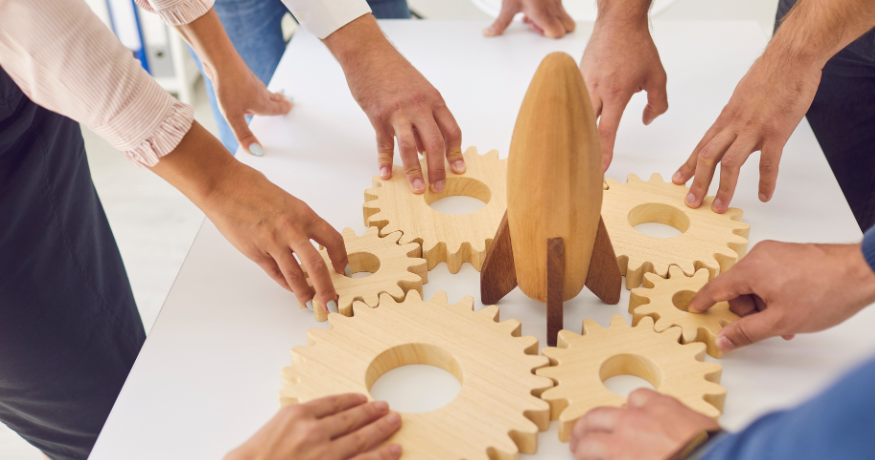
An organizational development strategist maps out structure and leadership before recommending changes.
Why Growing Companies Need an OD Strategist Now
Growth feels great until it doesn’t. As a company adds employees, informal processes that worked fine at ten people often collapse at fifty. Consequently, leaders end up firefighting instead of leading. This is exactly where an OD strategist earns their keep.
For example, the U.S. Bureau of Labor Statistics projects continued demand growth for HR specialist roles, reflecting how many companies are investing in dedicated people strategy rather than treating HR as an afterthought. In addition, research from SHRM consistently links proactive HR strategy to lower turnover and stronger engagement. Therefore, waiting until a crisis hits usually costs more than investing early.
Furthermore, many SMB leaders wear multiple hats already. Bringing in strategic support doesn’t replace their leadership; it simply gives them the structure to lead more effectively while protecting the business from compliance risk and costly mistakes.
Core Responsibilities of an Organization Development Consultant
While every engagement looks a little different, most organizational development work covers a similar set of core responsibilities. Specifically, an organization development consultant typically handles:
- Assessing current culture, leadership gaps, and communication patterns.
- Designing organizational structure that matches your growth stage.
- Building custom HR playbooks and employee handbooks aligned to company values.
- Coaching leaders on performance management and team development.
- Monitoring compliance and risk exposure as headcount and complexity increase.
As a result, companies gain a clearer roadmap instead of reacting to problems after they’ve already cost time, money, or good employees.

Turning strategy into action often starts with a focused leadership session.
How to Bring an Organizational Development Strategist Into Your Company
Deciding to get help is one thing; actually integrating it smoothly is another. Here’s a practical, step-by-step approach that works for most growing organizations.
- Assess your current organizational health. Review turnover rates, employee feedback, and leadership bottlenecks to pinpoint exactly where structure is breaking down.
- Define your growth goals. Clarify where you want the business in twelve to twenty-four months so the strategy fits your real trajectory.
- Decide between in-house or outsourced support. Weigh the cost of a full-time hire against the flexibility of an outsourced HR partner.
- Build a custom HR playbook. Document policies, workflows, and leadership practices tailored to your culture and industry.
- Monitor, measure, and adjust. Track retention and engagement quarterly, then refine the strategy as your company keeps evolving.
Notably, you can review a more detailed practical guide to organization development strategy if you want a deeper walkthrough of this process.
Organizational Development Strategist vs. HR Manager: What’s the Difference?
It’s easy to confuse these roles, but the distinction matters. An HR manager typically focuses on day-to-day administration—payroll coordination, benefits enrollment, and handling employee questions. In contrast, an organizational development strategist zooms out to address structure, culture, and long-term capability.
Think of it this way: the HR manager keeps the engine running, while the organizational development strategist redesigns the engine so it can handle a bigger, heavier vehicle. Many growing companies eventually need both, which is why outsourced partners that offer full-service HR administration alongside strategic consulting tend to deliver the best value. For a broader breakdown of frameworks used in this work, this complete guide to organization development frameworks is a helpful next read.

The right partnership feels less like a vendor relationship and more like an extension of your team.
How Soteria HR Supports Your Organizational Development Strategy
Soteria HR works specifically with growth-minded companies between 10 and 250 employees that need serious HR strategy without the overhead of a full internal department. Rather than generic advice, the team builds custom HR playbooks, manages compliance risk, and provides proactive leadership so problems get caught before they escalate.
Because Soteria HR serves industries like human services, tech, professional services, and manufacturing, the approach stays grounded in real business needs—not cookie-cutter HR jargon. If you’d like to see how this looks in practice, explore Soteria HR’s organizational development consulting services or browse soteriahr.com for a closer look at how the team partners with growing organizations. You can also review this complete guide to organizational development strategy and these proven organizational development strategies that work for additional context.
Frequently Asked Questions About Organizational Development Strategists
What does an organizational development strategist do?
An organizational development strategist evaluates a company’s structure, culture, and leadership systems, then designs practical plans to help the business grow without losing efficiency or morale. They often build tools like custom HR playbooks and performance frameworks.
How is an organizational development strategist different from an HR consultant?
An HR consultant often solves specific, immediate problems like a policy gap or a hiring issue. An organizational development strategist takes a broader view, focusing on long-term structure, culture, and leadership alignment across the whole company.
When should a small business hire an organizational development strategist?
Most small businesses benefit once they cross roughly 10 to 15 employees or start experiencing turnover, unclear roles, or leadership bottlenecks. Waiting until problems escalate usually costs more than addressing them early.
How much does it cost to hire an organizational development strategist?
Costs vary widely, from a few thousand dollars for a project-based assessment to ongoing retainer fees for embedded support. Outsourced HR partners typically cost far less than a full-time internal hire with similar expertise.
What industries benefit most from organizational development strategy?
Fast-growing industries like tech, professional services, human services, and manufacturing benefit significantly, especially companies scaling headcount quickly or navigating complex compliance requirements.
How long does an organizational development strategy take to show results?
Some improvements, like clearer communication or reduced confusion around roles, appear within weeks. Deeper cultural or structural shifts typically take three to twelve months to fully take hold.
What is the difference between organizational development and organizational design?
Organizational design focuses on structure, such as reporting lines and team layout. Organizational development is broader, addressing culture, leadership capability, and how people and processes work together over time.
Can an outsourced HR partner act as an organizational development strategist?
Yes, many outsourced HR partners, including Soteria HR, provide organizational development strategy as part of broader HR consulting services, giving growing companies senior-level expertise without a full-time salary.
What are common mistakes companies make without organizational development support?
Common mistakes include promoting people into leadership without training, ignoring turnover warning signs, and scaling headcount faster than management structure can support. These gaps often lead to burnout and costly turnover.
What skills should you look for in an organizational development strategist?
Look for strong analytical skills, change management experience, and the ability to translate business goals into practical HR systems. Communication skills matter just as much as technical HR knowledge.
Do organizational development strategists only work with large companies?
No, small and mid-sized companies often benefit the most, since they usually lack a dedicated HR leader and are still building their foundational systems as they grow.
How does an organizational development strategist improve employee retention?
By clarifying roles, improving leadership consistency, and building fair, transparent policies, an organizational development strategist reduces the confusion and frustration that often drive employees to leave.
What tools does an organizational development strategist use?
Common tools include employee engagement surveys, org charts, performance frameworks, and custom HR playbooks tailored to the company’s culture and growth stage.
Final Thoughts
Ultimately, bringing in an organizational development strategist isn’t about admitting your leadership has failed—it’s about giving your growing company the structure it needs to thrive. From clarifying roles to building custom HR playbooks and reducing turnover, the right strategist protects both your people and your bottom line. As your team scales, having this kind of proactive support in place means fewer surprises, less legal exposure, and a workplace people actually want to stay in. Whether you build this capability internally or partner with an outsourced team, don’t wait for growing pains to turn into a full-blown crisis before you act.