
Outsourcing human resource activities is one of the most effective decisions a growing business can make—especially when HR complexity is outpacing your team’s capacity. Instead of scrambling to keep up with compliance deadlines, benefits renewals, and hiring demands, you hand those responsibilities to experts who do this work every single day.
According to the Society for Human Resource Management (SHRM), more than 85% of HR professionals report that managing compliance has become significantly more complex in recent years. For small and mid-sized businesses, that complexity often falls on people who are already wearing five other hats. That’s a problem—and outsourcing solves it.
What Is Outsourcing Human Resource Activities?
Outsourcing human resource activities is the practice of delegating HR functions—such as payroll, compliance monitoring, recruiting, and benefits administration—to an external provider rather than managing them entirely in-house. It’s a strategic move, not a shortcut.
In short, you bring in a team of HR professionals who act as an extension of your organization. They handle the daily details, flag compliance risks, and build the systems your team needs—without you having to hire a full department to do it.
This model is especially valuable for companies with 10 to 250 employees—large enough to have real HR needs, but often too lean to justify a dedicated in-house HR leader. For a deeper look at how HR functions as a strategic partner for smaller organizations, see our guide on human resource management as an ally for small businesses.

Partnering with an outsourced HR provider gives growing businesses access to expert guidance without the overhead of a full-time department.
Which HR Functions Are Typically Outsourced?
Not every business outsources the same things. However, certain HR activities are consistently handed off to external partners because they’re time-intensive, legally sensitive, or require specialized expertise.
The most commonly outsourced HR functions include:
- Payroll processing and coordination — Ensuring accurate, on-time pay while staying compliant with tax regulations
- Benefits design and administration — Building competitive packages and managing enrollment, renewals, and vendor relationships
- Compliance and risk management — Monitoring federal, state, and local employment laws to keep your policies current
- Recruiting and hiring support — Finding the right candidates faster, with a focus on long-term fit
- Onboarding and offboarding — Creating smooth, consistent experiences for employees entering and leaving the organization
- Employee handbook creation — Drafting and updating clear, compliant, culture-aligned policies
- Performance management — Building review frameworks, feedback systems, and improvement plans
Furthermore, many outsourced HR partners offer strategic consulting—helping leadership teams think through organizational design, culture, and long-term people strategy. That’s the layer that often makes the biggest difference for growing companies.
The Real Benefits of Delegating HR to an Outside Partner
The advantages go well beyond saving time—though that alone is significant. Research from the U.S. Department of Labor consistently shows that employment law violations are most common in small businesses where HR is handled informally. Outsourcing reduces that exposure dramatically.
Here’s what businesses typically gain when they make the switch:
💰 Cost efficiency: Hiring a full-time HR director can cost $80,000–$120,000 per year in salary alone. Outsourcing delivers comparable (or superior) expertise at a fraction of the cost.
⚖️ Compliance confidence: Employment law changes constantly. An outsourced partner monitors those changes and updates your policies proactively—so you’re never caught off guard.
🎯 Strategic focus: When HR is handled, your leadership team can focus on growth, customers, and culture—not paperwork.
📈 Scalability: As your team grows, your HR support scales with it—without the lag time of hiring and training new staff.
For a full breakdown of what you stand to gain, our article on the benefits of outsourced HR goes deeper into each advantage. Additionally, if you’re weighing the decision, our piece on why outsource HR addresses the most common hesitations leaders face.
How Outsourcing Affects Your Bottom Line
A 2023 study found that companies using outsourced HR services reduced HR-related costs by an average of 27% compared to managing HR in-house. That figure includes savings from reduced compliance penalties, lower turnover costs, and more efficient benefits procurement.
In addition, outsourcing often improves employee satisfaction. When HR processes run smoothly—onboarding is organized, benefits are easy to understand, and questions get answered quickly—employees feel supported. And supported employees stay longer. To understand the connection between HR efficiency and overall business performance, see our resource on productivity up, costs down.
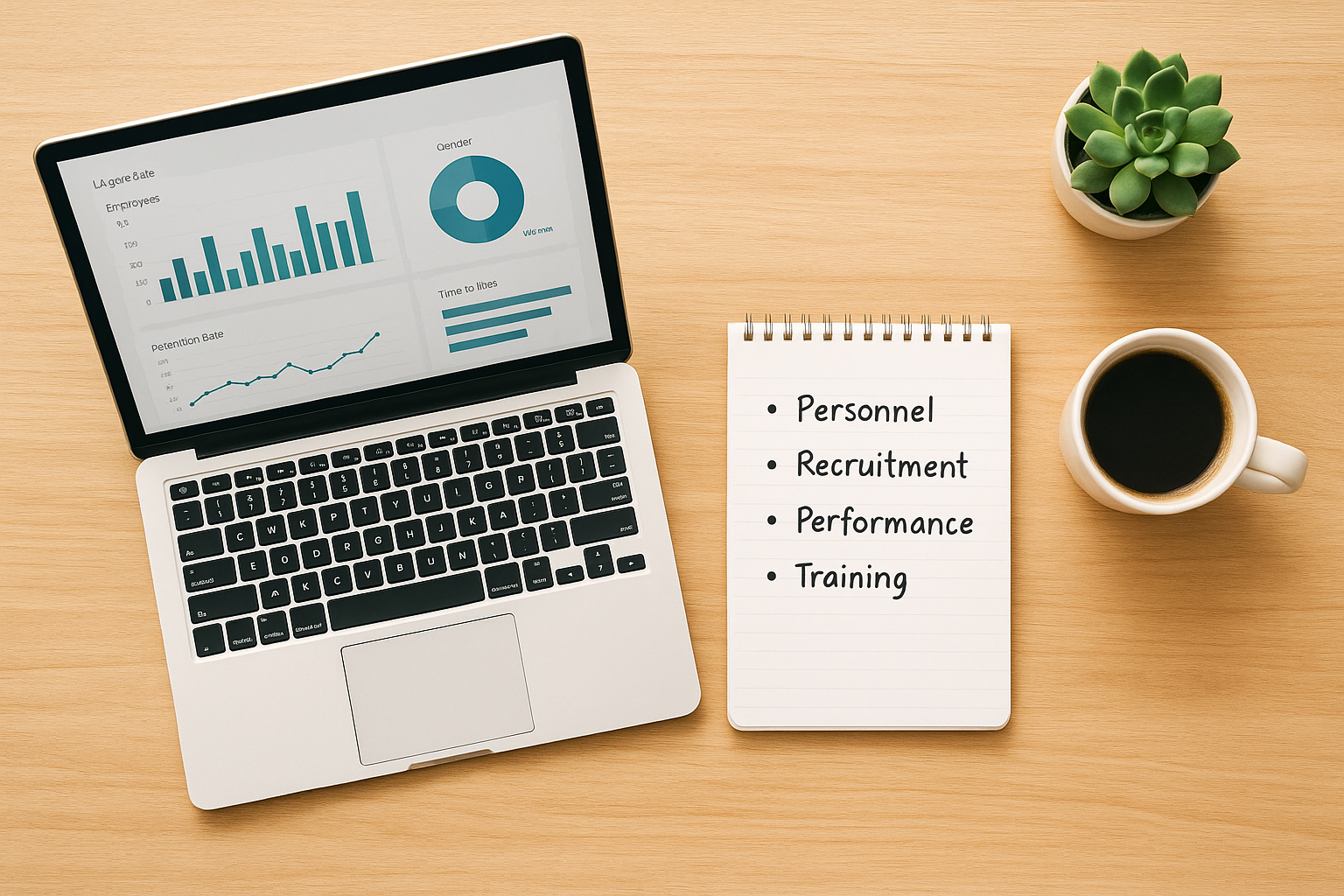
Effective HR outsourcing starts with understanding which activities to delegate and setting clear goals for your provider relationship.
How to Start Outsourcing Human Resource Activities: A Step-by-Step Process
Transitioning to an outsourced HR model doesn’t have to be complicated. However, it does require intentional planning to get right. Follow these five steps to make the switch smoothly.
- Audit your current HR functions. List every HR task your team currently handles—payroll, compliance, onboarding, benefits, recruiting—and identify which ones are consuming the most time or creating the most risk.
- Define your outsourcing goals. Decide whether you want to outsource all HR activities or only specific functions. Set clear goals around cost savings, compliance improvement, or freeing up leadership time before evaluating providers.
- Research and shortlist HR outsourcing providers. Look for providers with proven experience in your industry and company size range. Review service scope, pricing models, and client references to build a shortlist of two to four candidates. Our guide on how to choose the right employee outsourcing company walks you through this process in detail.
- Evaluate fit and negotiate a service agreement. Meet with shortlisted providers to assess cultural fit, responsiveness, and their approach to compliance. Negotiate a service agreement that clearly defines deliverables, response times, and data security protocols.
- Onboard your HR partner and communicate the change. Share relevant documentation, employee records, and existing policies with your new provider. Communicate the transition clearly to your team so employees know who to contact for HR needs going forward.
Common Mistakes to Avoid When Delegating HR Functions
Even well-intentioned outsourcing arrangements can go sideways. Specifically, these are the pitfalls that trip up businesses most often:
Choosing on price alone. The cheapest option rarely delivers the expertise your team needs. Compliance mistakes and poor hiring decisions cost far more than the savings from a bargain-rate provider.
Failing to communicate internally. Employees need to know who handles HR now and how to reach them. Silence creates confusion and erodes trust. Therefore, plan your internal communication before the transition goes live.
Treating the provider as a vendor instead of a partner. The best outsourced HR relationships work because the provider is embedded in your business—not just processing paperwork from a distance. Consequently, look for a firm that invests time in understanding your culture, goals, and challenges.
Outsourcing without reviewing data security protocols. HR data is sensitive. Before signing any agreement, confirm how your provider stores, accesses, and protects employee information. Review their data protection practices carefully.
Is Soteria HR the Right Partner for Your Business?
Soteria HR was built specifically for growth-minded small and mid-sized businesses that need professional HR support without the overhead of a full-time department. If your company has between 10 and 250 employees and you’re navigating compliance complexity, scaling your team, or simply feeling the pain of not having dedicated HR leadership—this is exactly the gap Soteria fills.
Soteria offers full-service HR administration, strategic consulting, benefits management, compliance monitoring, recruiting support, and custom HR playbooks tailored to your business. The approach is embedded and proactive—not reactive and transactional. In other words, Soteria spots problems before they become expensive ones.
Industries served include human services, technology, professional services, manufacturing, and more. If your organization has strong values and wants to build a great place to work, Soteria is designed to be your strategic partner in that effort.
Frequently Asked Questions About Outsourcing Human Resource Activities
What does outsourcing human resource activities mean?
Outsourcing human resource activities means delegating HR tasks—such as payroll, compliance, recruiting, and benefits—to an external provider rather than handling them in-house. This allows businesses to access expert HR support without hiring a full-time HR department.
Which HR activities are most commonly outsourced?
The most commonly outsourced HR activities include payroll processing, benefits administration, compliance management, recruiting, onboarding, and employee handbook creation. Many businesses also outsource HR consulting and performance management support.
How much does outsourcing HR typically cost?
Costs vary widely depending on scope, company size, and provider. Many outsourced HR providers charge a per-employee monthly fee, typically ranging from $50 to $200 per employee. Full-service packages for small businesses can range from $500 to several thousand dollars per month.
Is outsourcing HR a good idea for small businesses?
Yes, outsourcing HR is often an excellent choice for small businesses that lack the budget or need for a full-time HR team. It provides professional compliance support, reduces administrative burden, and helps attract and retain talent—all without the overhead of an in-house department.
What are the main benefits of outsourcing human resource activities?
Key benefits include cost savings, access to HR expertise, reduced compliance risk, faster recruiting, and the ability to focus on core business goals. Outsourcing also brings scalability—your HR support can grow as your team grows.
What are the risks of outsourcing HR?
Potential risks include loss of direct control over HR processes, data security concerns, and cultural misalignment if the provider doesn’t understand your business. Choosing a provider that acts as a true embedded partner—rather than a transactional vendor—mitigates most of these risks.
How is outsourced HR different from a PEO?
A Professional Employer Organization (PEO) co-employs your workforce and takes on legal employer responsibilities, while an outsourced HR firm acts as an advisor and administrator without becoming a co-employer. Outsourced HR typically offers more flexibility and customization than a PEO arrangement.
How do I choose the right HR outsourcing company?
Look for a provider with experience in your industry, a clear scope of services, transparent pricing, and a track record of compliance expertise. Prioritize partners who take time to understand your business culture and goals rather than offering one-size-fits-all solutions.
Can outsourced HR help with compliance and legal issues?
Absolutely. Compliance support is one of the strongest reasons to outsource HR. A qualified provider monitors changing federal, state, and local employment laws—keeping your policies, handbooks, and practices up to date and reducing your legal exposure significantly.
How long does it take to transition to outsourced HR?
Most transitions take between two and eight weeks, depending on the complexity of your current HR setup and the scope of services being transferred. A good provider will manage the onboarding process with minimal disruption to your team.
What size company benefits most from outsourcing HR activities?
Companies with 10 to 250 employees tend to benefit most. They’re large enough to have real HR complexity but often too small to justify a full in-house HR department. Outsourcing fills that gap efficiently and cost-effectively.
Does outsourcing HR mean losing control of my people strategy?
Not at all. A strong outsourced HR partner works alongside you—not instead of you. You retain full strategic control while the provider handles execution, compliance, and administration. Think of it as gaining an expert team, not giving up authority.
Conclusion: The Case for Outsourcing HR Is Clear
Outsourcing human resource activities is no longer just an option for large enterprises with complex org charts. Today, it’s a practical, cost-effective strategy for any growing business that wants professional HR support without the overhead of building an in-house department from scratch.
The key takeaways are straightforward: outsourcing reduces compliance risk, lowers costs, improves employee experience, and frees your leadership team to focus on what matters most. Furthermore, the right partner doesn’t just handle tasks—they act as a strategic ally who understands your business and gets ahead of problems before they become expensive mistakes.
If you’re ready to explore what outsourcing HR could look like for your organization, Soteria HR is built for exactly this. No jargon, no guesswork—just hands-on HR support that helps you grow with confidence.