ASO payroll meaning is a question many growing employers ask once internal HR tasks start piling up faster than a small team can handle. In simple terms, ASO stands for Administrative Services Organization, and ASO payroll support means an outside partner helps administer payroll-related HR tasks while your company remains the legal employer. Unlike a PEO, there’s no co-employment involved — you keep full authority over employment decisions while gaining practical, hands-on support.
Quick answer: ASO payroll support means a business keeps its status as sole employer while a partner handles or coordinates payroll administration, benefits enrollment, and HR tasks under a defined scope. It differs from a PEO because there’s no shared employer-of-record status.
What Is ASO Payroll Meaning?
ASO payroll meaning, at its core, describes a support model rather than a single product. Specifically, an Administrative Services Organization provides outsourced HR and payroll-related administration without stepping into the role of employer. As a result, your company retains responsibility for employment decisions, while the ASO handles the back-office workload that otherwise eats up a founder’s or operations leader’s week.
In practice, this often includes employee record-keeping, onboarding paperwork, leave coordination, and close coordination with payroll systems. However, the exact scope depends on the agreement, so it’s worth confirming precisely which tasks are included before signing on. Soteria HR, for example, tailors its payroll support services to the size and complexity of each client relationship.
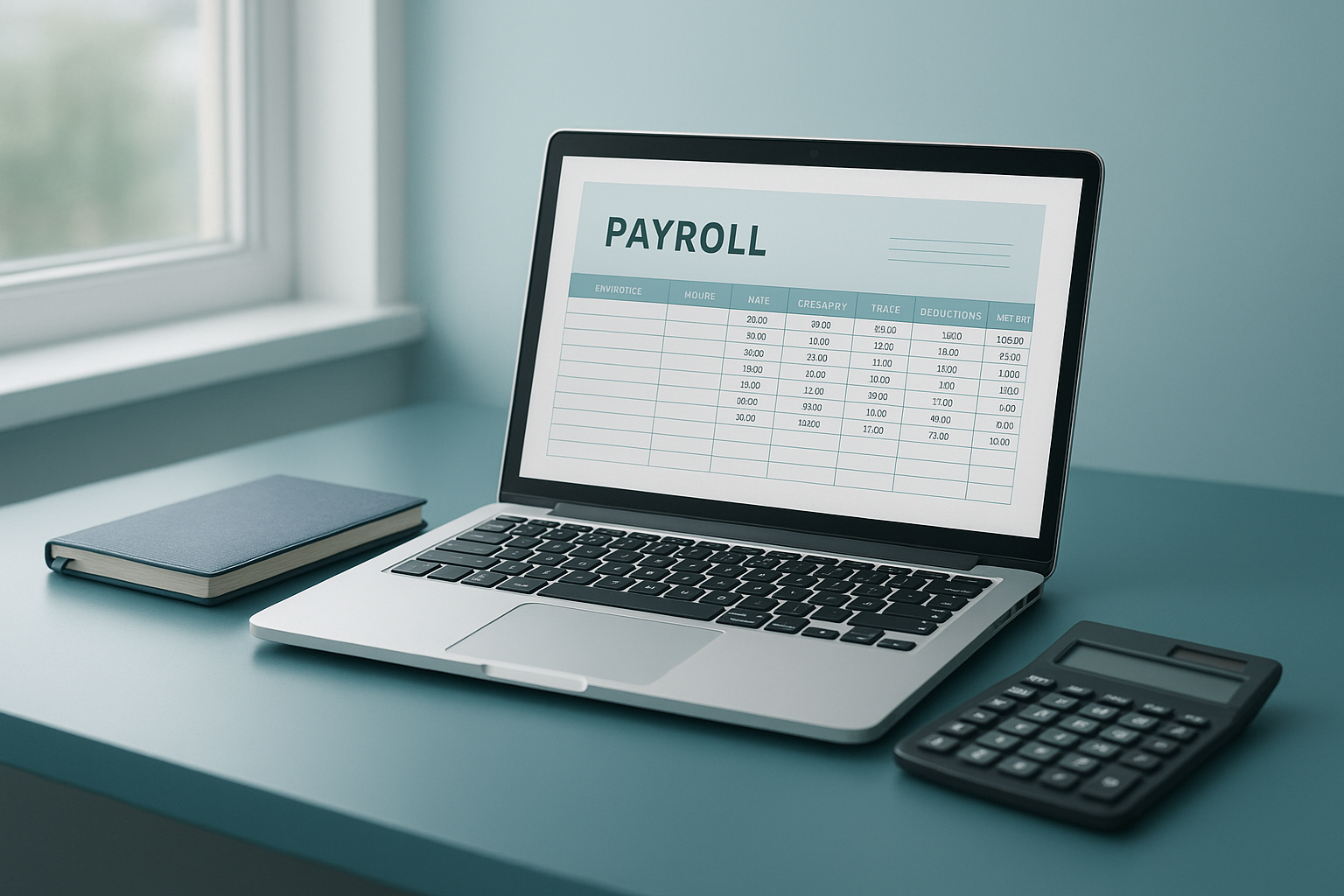
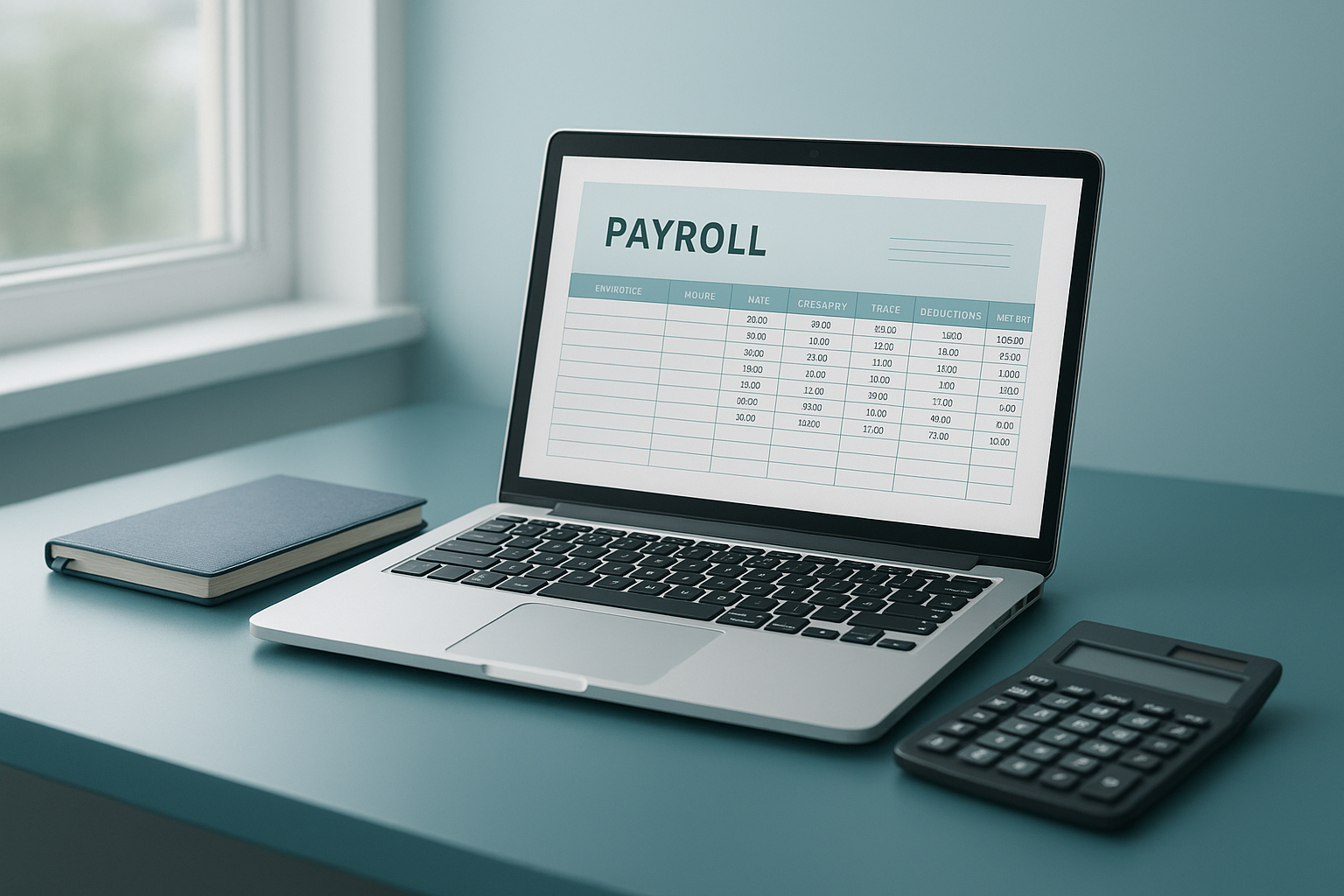
Understanding aso payroll meaning starts with seeing how administrative support fits into everyday HR workflows.
How ASO Payroll Support Works
Generally, ASO payroll support follows a consistent pattern, even though every engagement looks a little different. First, the provider reviews your current setup. Then, the two parties define what’s in scope. Finally, ongoing administration begins. Below is a simplified version of that process.
- Assess current HR and payroll gaps. The provider reviews existing payroll workflows, employee records, and benefits administration to identify inefficiencies and compliance risks before recommending a scope of support.
- Define the ASO scope of services. You and the provider agree on which HR administration, payroll coordination, and benefits tasks are included, while your company remains the employer of record throughout.
- Integrate payroll and HR systems. The ASO coordinates with your existing payroll provider or platform to align employee data, deductions, and reporting, so information flows accurately between systems.
- Deliver ongoing administration and support. On a continuing basis, the ASO handles agreed tasks such as onboarding, leave tracking, benefits enrollment, and payroll issue resolution, while you retain employment decision authority.
Consequently, this layered approach lets a company add structure gradually, rather than overhauling every HR process at once. For a deeper look at integration logistics, Soteria HR’s guide on integrating payroll seamlessly walks through the technical side in more detail.
ASO Payroll vs. PEO Payroll: Key Differences
Many business owners confuse an ASO with a PEO, and understandably so, because both models aim to lighten the HR workload. In contrast to an ASO, a Professional Employer Organization (PEO) typically enters a co-employment relationship, meaning the PEO and the client share certain employer responsibilities. An ASO, on the other hand, does not take on co-employment. Your company stays the sole employer, which matters for liability, culture control, and decision-making authority.
| Feature | ASO | PEO |
|---|---|---|
| Employer of record | Client company | Shared (co-employment) |
| Flexibility of scope | Highly tailored | Often bundled |
| Employment decisions | Retained by client | Shared responsibility |
Therefore, the right choice often comes down to how much control a leadership team wants to keep over employment matters. Soteria HR’s ASO option was built specifically to provide tailored HR support without co-employment, which appeals to founders who want help without giving up direct control.
Benefits of ASO Payroll Coordination for Growing Companies
As a company grows past a handful of employees, payroll and benefits complexity tends to grow faster than headcount. For instance, under the Affordable Care Act’s Employer Shared Responsibility Provisions, employers with 50 or more full-time equivalent employees generally must offer qualifying health coverage or potentially face penalties, according to the IRS. That single threshold alone can trigger new reporting and benefits administration obligations.
In addition, ASO payroll coordination often helps with:
- Reducing manual errors in payroll data entry and employee record updates.
- Coordinating benefits enrollments, terminations, and carrier communications.
- Freeing up leadership time previously spent chasing HR paperwork.
- Supporting compliance awareness around leave policies and recordkeeping, consistent with guidance from the U.S. Department of Labor.
Similarly, Soteria HR’s article on the benefits of seamless payroll coordination explores this topic from a slightly different angle, worth a look if you want a broader comparison.

Benefits administration is often a core part of what ASO payroll support covers for growing teams.
Is an ASO Payroll Model Right for Your Business?
Not every company needs the same level of support, which is exactly why ASO arrangements are built to be flexible. If you’re running a business with roughly 10 to 250 employees and no dedicated HR department, an ASO can fill that gap quickly. Alternatively, if you already have an internal HR person or small team, an ASO can supplement them during busy seasons or compliance-heavy projects.
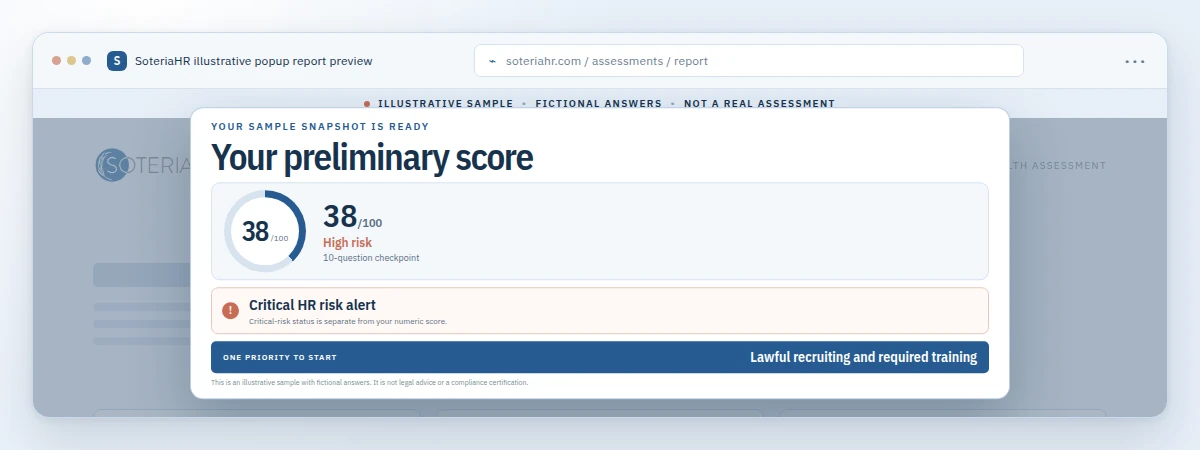
Before committing, it helps to get a clear picture of where your current gaps actually sit. Soteria HR’s free HR Health Assessment, available at soteriahr.ai, offers a short way to surface priorities — either a 10-question Quick HR Check in about two minutes, or a more complete 40-question version in about 10 to 12 minutes. Results are self-reported and preliminary, not a certified compliance audit, but they’re a useful starting point for a conversation.
From there, resources like Do You Want Payroll Perfection? and What Is Payroll Management? can help you compare models before deciding whether ASO support, a payroll coordination upgrade, or something else fits best. You can also visit Soteria HR’s website directly to review current service details.
Still unsure whether ASO payroll support fits your business?
Call (800) 399-2458 to talk with an HR expert, or submit a consultation request with Soteria HR.
Frequently Asked Questions About ASO Payroll Meaning
What does ASO payroll meaning refer to?
ASO payroll meaning refers to payroll-related support delivered through an Administrative Services Organization, where a business keeps its status as legal employer while an outside partner helps administer payroll, benefits, and HR tasks. Unlike a PEO, there’s no co-employment involved.
How does ASO payroll support differ from traditional payroll processing?
Traditional payroll processing usually focuses narrowly on calculating pay and filing taxes. ASO payroll support typically adds broader HR administration, such as onboarding, benefits coordination, and policy guidance, alongside payroll workflow oversight.
Why do growing businesses choose an ASO payroll model?
Growing businesses often lack the internal bandwidth to manage payroll, benefits, and compliance tasks at the same time. An ASO payroll model gives leaders practical support without requiring a large internal HR team or a co-employment arrangement.
How much does ASO payroll support typically cost?
Pricing varies based on employee headcount, service scope, and the complexity of benefits and compliance needs. Costs should be confirmed directly with a provider, since most structures are built around the specific tasks included in the engagement.
How long does it take to set up ASO payroll support?
Setup timelines depend on current systems, data accuracy, and benefits complexity, though many transitions take a few weeks. A phased onboarding process helps confirm records and workflows before go-live.
What is the difference between ASO and PEO payroll services?
Under an ASO, the client remains the sole employer of record and keeps responsibility for employment decisions. Under a PEO, co-employment typically applies, which shifts certain employer-related responsibilities to the PEO.
Does an ASO take over payroll tax filing responsibilities?
Scope varies by provider and agreement, so it’s important to confirm exactly which tax filing duties are included. Many ASO engagements coordinate closely with payroll systems rather than assuming full tax-filing liability.
What common mistakes do businesses make when evaluating ASO payroll support?
A frequent mistake is assuming ASO support automatically includes co-employment protections similar to a PEO. Another is failing to confirm which compliance tasks, such as ACA reporting, are actually included.
Can ASO payroll support work alongside an existing payroll provider?
Yes, in most cases ASO support is designed to coordinate with an existing payroll platform rather than replace it. This allows a business to improve workflow accuracy without switching systems entirely.
What are best practices for transitioning to an ASO payroll model?
Best practices include auditing current employee records, clarifying which tasks will transfer, and setting a realistic onboarding timeline. Clear employee communication also reduces confusion during the switch.
Is ASO payroll support only for companies without an HR department?
No, ASO support can also supplement an existing internal HR team that needs extra capacity. It’s flexible enough to serve companies with no HR staff or a small existing one.
Who remains the employer of record under an ASO arrangement?
The client company remains the employer of record under an ASO arrangement, keeping responsibility for employment decisions and applicable legal obligations. The ASO provides administrative support rather than assuming employer status.
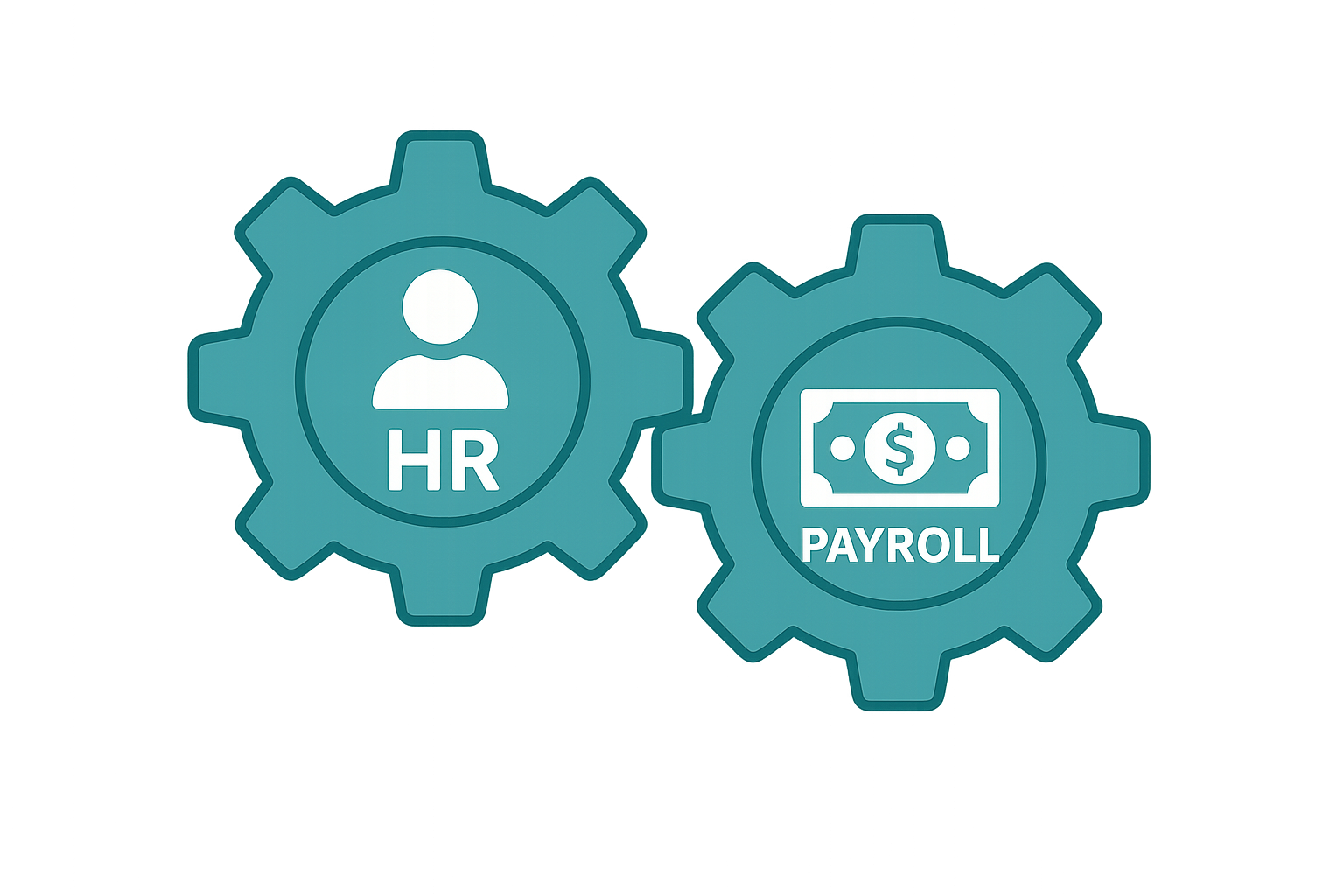
ASO payroll coordination connects HR administration and payroll workflows into one manageable process.
Final Thoughts on ASO Payroll Meaning
Ultimately, understanding ASO payroll meaning comes down to one key distinction: your company stays the employer, while a partner helps carry the administrative load. Because there’s no co-employment, leadership keeps full control over hiring, firing, and culture decisions, while gaining practical support for payroll coordination, benefits administration, and everyday HR tasks. As a result, many growing businesses find this model strikes a useful balance between independence and support.
If you’re weighing whether ASO payroll support fits your current stage of growth, a short conversation can clarify the picture quickly. Soteria HR, based in Pasadena and serving employers across Los Angeles, Orange County, and nationwide, offers tailored HR administration, consulting, and benefits support built around each client’s needs. Call (800) 399-2458 to talk to an HR expert, or start with the free assessment at soteriahr.ai before your next planning conversation.