What is employee relations experience? It is the hands-on background a person, HR team, or outsourced partner has in managing the relationship between an employer and its employees — handling conflicts, answering policy questions, running fair investigations, and keeping day-to-day communication on track. For founders, CEOs, and operations leaders at growing companies, understanding what employee relations experience actually looks like matters when hiring HR staff, evaluating outsourced support, or deciding how much internal capability to build.

Hands-on mediation like this is a hallmark of genuine employee relations experience.
What Is Employee Relations Experience?
Employee relations experience is the practical track record someone has built by actually handling workplace relationship issues — not just studying HR theory. It typically includes resolving conflicts, conducting fair investigations, enforcing policy consistently, and communicating difficult decisions in a way that keeps trust intact.
In other words, it is the difference between knowing what a progressive discipline policy says and having actually walked an employee and a manager through one. Consequently, two people with the same job title can have very different depth of experience depending on what situations they were exposed to. According to Wikipedia’s overview of employee relations, the field covers the formal and informal ways organizations manage relationships with their workforce, including dispute resolution and communication practices. For a deeper look at the broader concept, see this plain-language explanation of what employee relations means in practice.
Why Employee Relations Background Matters for Growing Companies
As a company grows past the point where the founder can personally resolve every disagreement, employee relations background becomes a business necessity rather than a nice-to-have. In particular, companies between roughly 10 and 250 employees often hit a gap: they are too large for informal fixes but not yet ready for a full HR department.
Furthermore, the stakes are real. The U.S. Equal Employment Opportunity Commission (EEOC) received more than 81,000 workplace discrimination charges in fiscal year 2023, according to EEOC public reporting. That volume shows how often workplace disputes escalate when they are not handled with skill early on. Similarly, the Society for Human Resource Management (SHRM) has long noted that employee relations issues consume a significant share of HR professionals’ time, which is why this background is so heavily weighted in hiring and outsourcing decisions. For a fuller picture of how this connects to day-to-day HR work, review this overview of the role HR plays in managing employee relations.
Key Skills That Define Strong Employee Relations Expertise
Although experience and expertise are related, true employee relations expertise is built from varied exposure over time. Several skills consistently show up in people with strong backgrounds:
- Active, neutral listening during disputes, without taking sides prematurely.
- Consistent documentation that protects both the employee and the organization.
- Fair, repeatable policy application across similar situations.
- Sound judgment about when to escalate to legal counsel or leadership.
In addition, strong communicators tend to de-escalate tension rather than add to it. As a result, organizations that prioritize these skills during hiring tend to see fewer repeat complaints and smoother investigations.
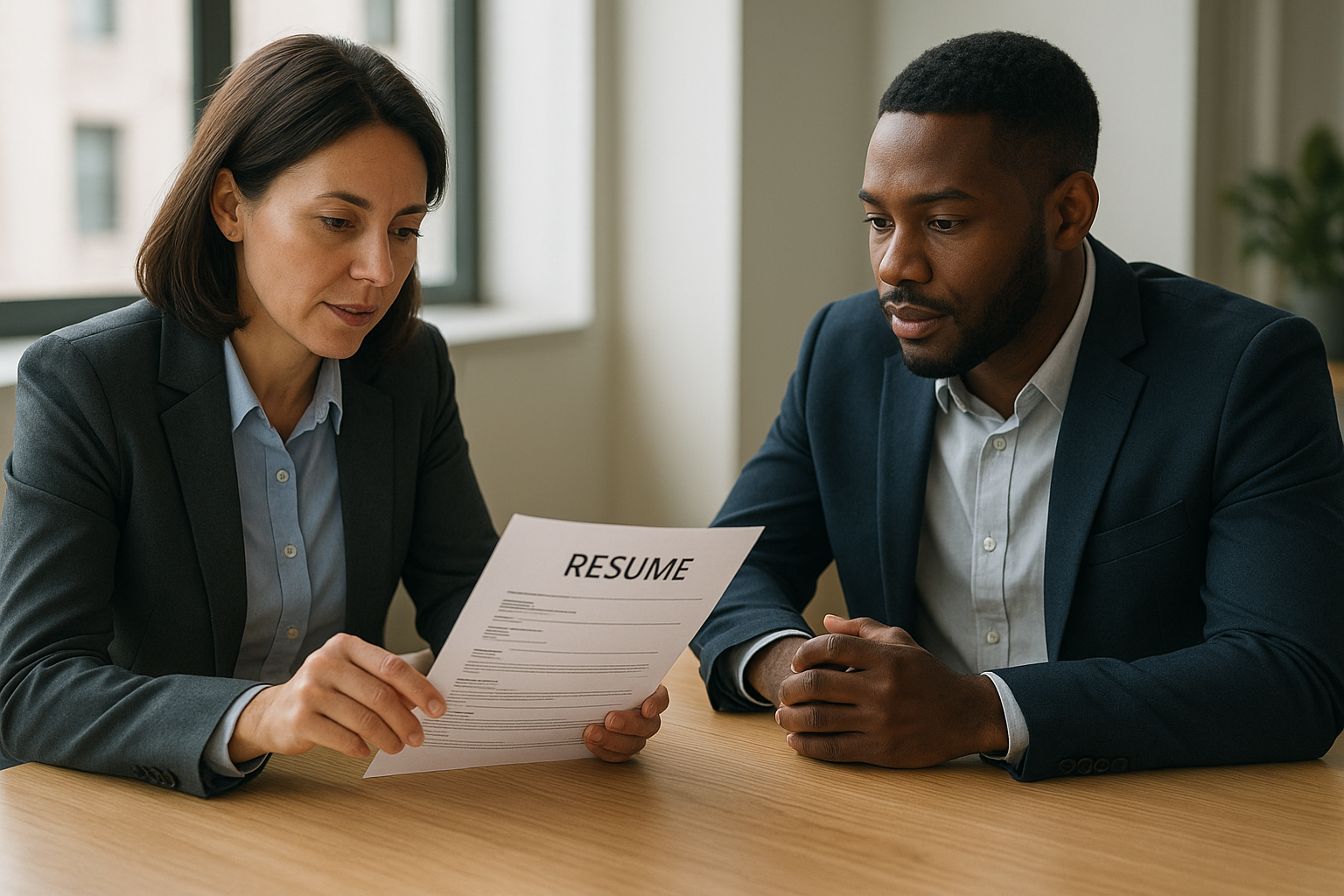
Interview questions about real cases reveal far more than a resume alone.
How to Evaluate Employee Relations Background: A Step-by-Step Process
Whether you are hiring internally or vetting an outsourced HR partner, a structured process helps separate genuine background from surface-level familiarity. Consider the following steps:
- Ask for two or three specific case examples, including the conflict type, the person’s exact role, and how it was resolved.
- Review how they document employee relations matters, since consistent documentation signals real hands-on practice.
- Present a hypothetical policy violation and listen for consistent, fair reasoning rather than a rigid or inconsistent response.
- Ask when they would escalate a matter to legal counsel or senior leadership, since knowing the limits of authority reflects maturity.
- Confirm how they stay current on employment law, since experience should be paired with ongoing awareness of legal changes.
Above all, listen for specificity. Vague answers about “handling HR issues” generally indicate thinner experience than detailed, outcome-focused stories.
Employee Relations Experience vs. Employee Relations Expertise
It helps to draw a clear line between these two terms. Employee relations experience is about time spent in the work; employee relations expertise is the refined judgment that comes from facing a wide variety of situations, including difficult ones like harassment investigations or terminations.
For example, someone who spent five years handling only attendance policy questions has real experience, but their expertise may be narrower than someone with three years that included investigations, accommodations, and leave coordination. Therefore, when evaluating a resume, it is worth asking not just “how long” but “how varied.” This distinction is explored further in this full guide to employee relations in HR for leaders.
Building Employee Relations Capability Without a Full HR Team
Many growing organizations do not have the budget or need for a full internal HR department, yet they still face real employee relations issues. In that situation, outsourced HR support can provide seasoned employee relations capability immediately, rather than requiring years to build it internally.
Soteria HR, based in Pasadena, California, works with employers across Los Angeles, Orange County, and nationwide to provide HR administration, HR consulting, and benefits administration, including an Administrative Services Organization (ASO) option that delivers tailored HR support without co-employment. Clients remain the employer of record and retain responsibility for employment decisions. For organizations without a dedicated HR function, this approach brings employee relations experience into the relationship from day one. Learn more about this kind of ongoing support through employee relations consulting services, or review established employee relations best practices that experienced HR partners apply consistently.
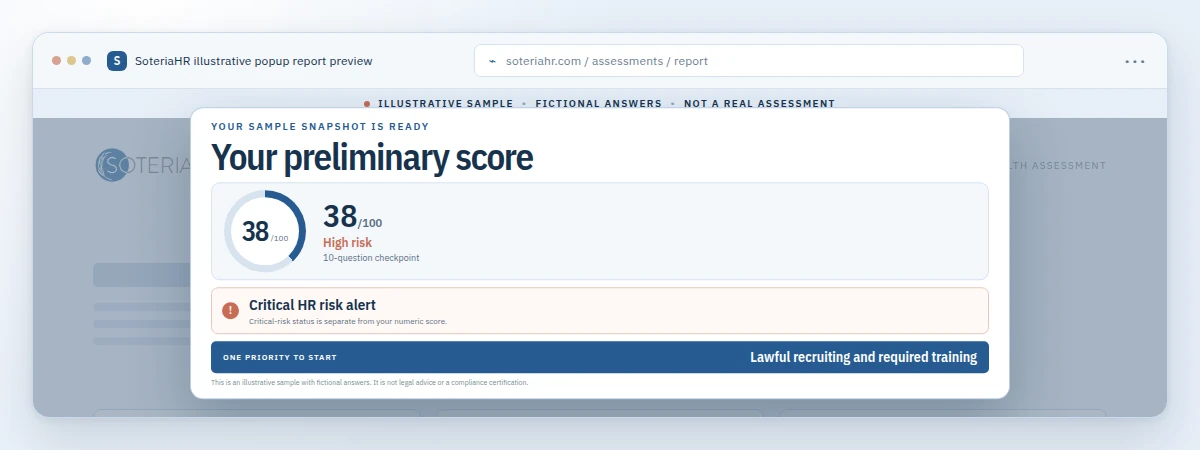
Consequently, leaders who want a clearer picture of where their own organization stands can start with the free HR Health Assessment at soteriahr.ai, a self-reported, preliminary check rather than a formal compliance audit.

Outsourced HR partners bring proven employee relations experience to companies that need it fastest.
Common Mistakes When Assessing Employee Relations Experience
Even experienced hiring managers can misjudge employee relations experience. One frequent mistake is assuming a long HR title automatically means deep experience, when the role may have been largely administrative with little direct conflict resolution involved.
Another mistake is skipping reference checks that specifically ask about how the person handled difficult conversations. Similarly, some employers overlook the value of outside perspective; an HR consultant who has worked across many industries often brings broader employee relations experience than a single in-house generalist. In contrast, relying only on self-reported skills without concrete examples tends to produce hiring surprises later. Reviewing the U.S. Department of Labor’s general guidance on workplace standards at dol.gov can also help confirm that a candidate’s described practices align with current expectations.
Frequently Asked Questions About Employee Relations Experience
What is employee relations experience?
Employee relations experience is the practical, hands-on background a person or organization has in managing the day-to-day relationship between employers and employees, including conflict resolution, policy enforcement, and communication. It is built through real situations rather than classroom learning alone.
Why does employee relations experience matter when hiring HR staff?
Strong employee relations experience helps a new hire handle disputes, investigations, and policy questions without constant guidance. Without it, small issues can escalate into costly complaints or turnover.
How is employee relations experience different from employee relations expertise?
Experience refers to time spent actively handling employee relations situations, while expertise reflects a deeper mastery built from varied, complex cases over time. Someone can have years of experience without full expertise if their exposure was narrow.
What skills show strong employee relations experience?
Key skills include active listening, neutral investigation techniques, documentation habits, and the ability to apply policy consistently. Communication under pressure is often the clearest signal of real experience.
How can a small business build employee relations experience without an HR department?
Small businesses often partner with an outsourced HR provider or consultant who already brings employee relations experience to the relationship. This gives leaders access to seasoned support without hiring a full internal team first.
Does employee relations experience require a certification?
No single certification is required, though credentials like SHRM-CP or PHR can support a resume. Certifications supplement experience but do not replace time spent resolving real workplace issues.
How long does it take to gain solid employee relations experience?
Most HR professionals report feeling confident handling common employee relations issues after two to three years of regular exposure. Complex cases, such as harassment investigations, often take longer to master.
What are common mistakes when evaluating employee relations experience in a candidate?
A common mistake is assuming years in an HR title automatically equals employee relations experience, when the role may have been largely administrative. Asking for specific examples of resolved conflicts is a better indicator.
What is the difference between employee relations and labor relations experience?
Employee relations experience typically covers non-union workplace dynamics, policy, and conflict resolution, while labor relations experience focuses on union contracts and collective bargaining. The two overlap but require different skill sets.
How does outsourced HR support provide employee relations experience to small companies?
An outsourced HR partner brings consultants who have already handled a wide range of employee relations situations across multiple industries. This gives a small employer immediate access to that background without years of internal trial and error.
What questions should I ask to assess employee relations experience in an interview?
Ask candidates to describe a specific conflict they resolved, how they documented it, and what the outcome was. Follow-up questions about what they would do differently often reveal the depth of their experience.
How much does it cost to build employee relations experience internally versus outsourcing?
Hiring and developing an experienced internal employee relations specialist can take a salary investment plus years of ramp-up time. Outsourcing often provides comparable experience sooner, at a cost tied to the scope of support needed.
Conclusion
Ultimately, understanding what is employee relations experience comes down to recognizing the difference between a title and a track record. Real experience shows up in how someone handles conflict, documents decisions, and applies policy fairly under pressure — not just in years on a resume. For organizations without a full internal HR team, partnering with an experienced outsourced provider is often the fastest way to bring that capability in-house. Soteria HR’s team supports employers in Los Angeles, Orange County, and nationwide with HR administration, consulting, and benefits administration built around each organization’s needs. To talk through your specific situation, call (800) 399-2458, submit a consultation request to Talk to an HR Expert, or start with the free HR Health Assessment at soteriahr.ai to see where your priorities should begin.