Automated HR solutions for SMBs help small and mid-sized businesses manage hiring, payroll coordination, benefits enrollment, and compliance recordkeeping without building a full internal HR department. For many growing companies, manual spreadsheets and paper files quickly become a bottleneck that slows down leadership instead of freeing it up. In this guide, we’ll explain what automated HR solutions for SMBs actually do, compare them with hands-on outsourced HR support, and outline practical steps for choosing the right fit. Whether you’re evaluating standalone software or considering a blended approach, understanding these options helps you make a confident decision for your organization.
Quick answer: Automated HR solutions for SMBs are software platforms—often paired with human oversight—that handle repetitive HR tasks like onboarding, time tracking, and benefits administration automatically. They save administrative hours and reduce compliance errors, but most growing businesses still benefit from expert guidance to interpret results and handle judgment calls.
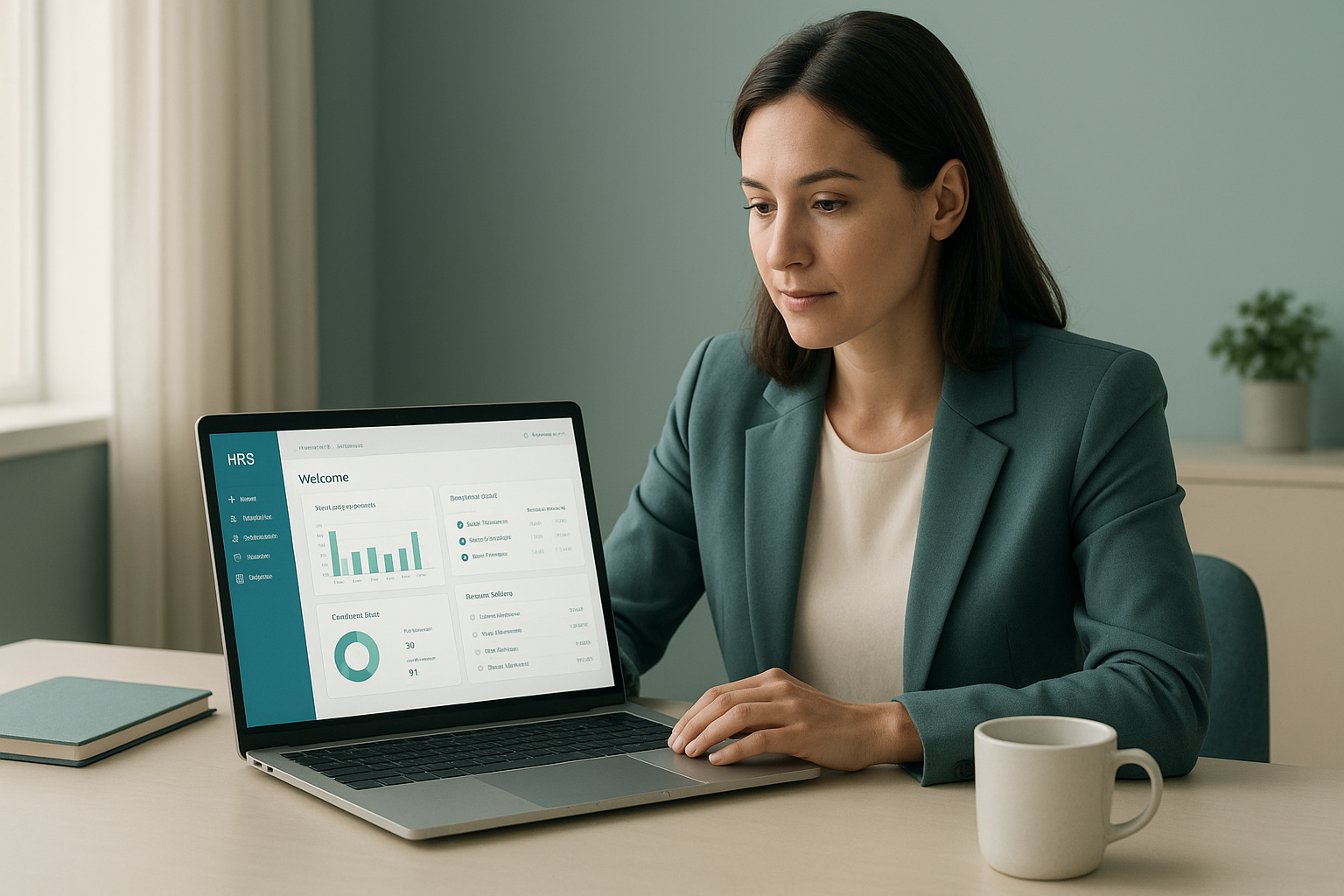
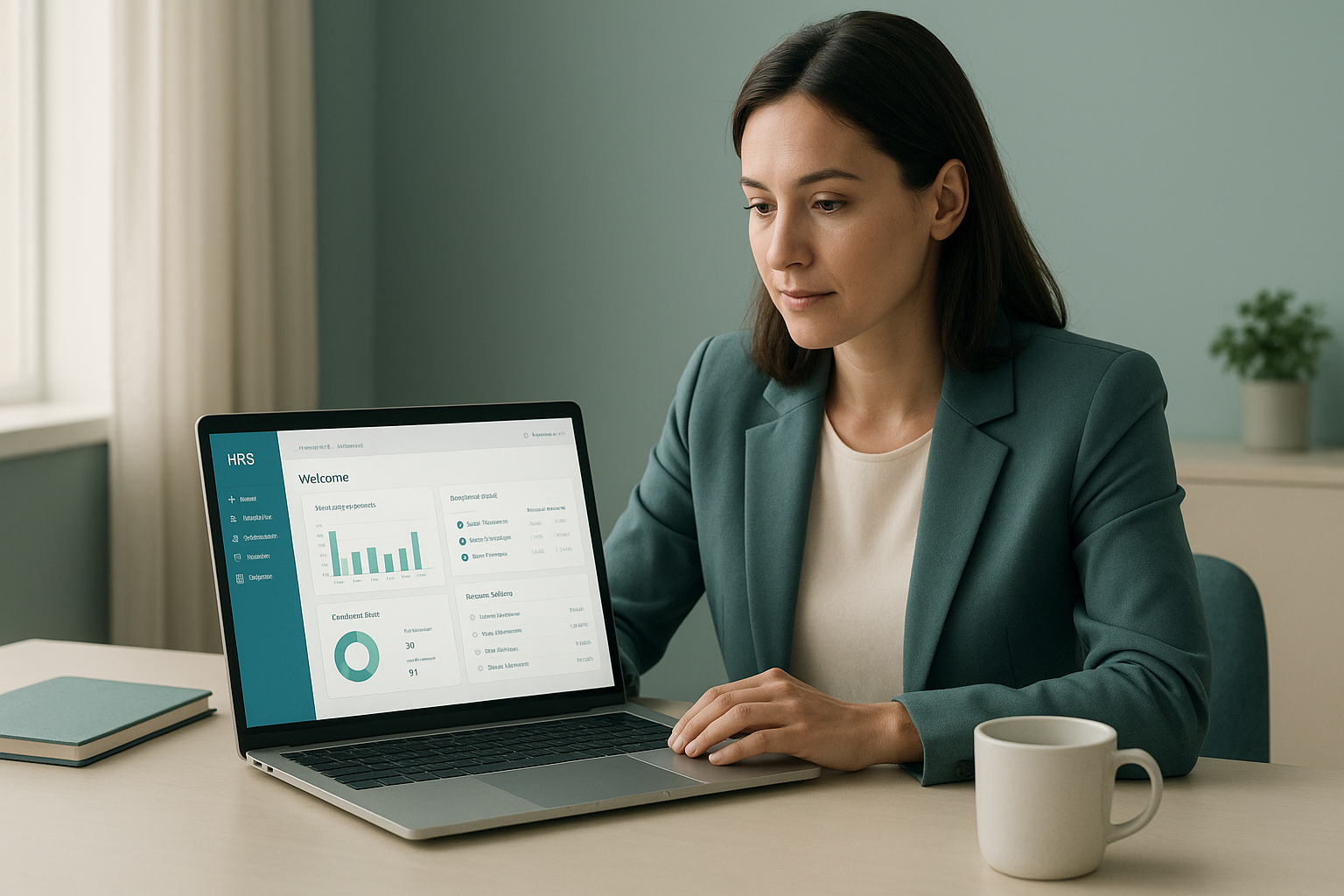
Automated HR solutions for SMBs centralize tasks like onboarding and benefits enrollment in one dashboard.
What Are Automated HR Solutions for SMBs?
Automated HR solutions for SMBs are software platforms and workflows designed to handle routine human resources tasks without constant manual input. Instead of tracking onboarding paperwork in spreadsheets or chasing down benefits forms by email, these systems route tasks automatically, send reminders, and store records in one place.
Most platforms fall into a few categories. Human Resource Information Systems, also called HRMS software solutions for small and mid-sized businesses, centralize employee data, time-off requests, and basic reporting. Applicant tracking systems automate parts of hiring, from posting jobs to scheduling interviews. Benefits administration portals handle enrollments, terminations, and carrier communication, while payroll platforms calculate wages, taxes, and deductions—though coordination with a knowledgeable provider still matters for accuracy.
For a closer look at the platforms available today, our breakdown of leading HR automation tools compares features side by side. However, it’s worth noting that automation handles the repetitive, rules-based parts of HR. It does not replace the judgment required for complex employee relations issues, policy interpretation, or jurisdiction-specific compliance questions. That’s why many growing companies pair software with either an internal HR hire or an outsourced HR partner who can apply the technology correctly and step in when situations get complicated.
Why Growing Businesses Need HR Automation Tools
As companies move from a handful of employees to 50, 100, or more, HR administration tends to grow faster than the team managing it. Consequently, many founders and operations leaders find themselves buried in onboarding paperwork, PTO tracking, and benefits questions instead of focusing on strategy.
According to the U.S. Small Business Administration, small businesses make up more than 99 percent of all U.S. employer firms, and a large share of them operate without a dedicated HR department. That gap creates real risk: missed compliance deadlines, inconsistent recordkeeping, and slow responses to employee questions can all erode trust and invite penalties.
HR automation tools address this gap in practical ways. For example, automated reminders prevent missed benefits enrollment windows, and centralized employee records reduce the scramble during audits or unemployment claims. Still, automation alone doesn’t guarantee compliance. The U.S. Department of Labor and the Equal Employment Opportunity Commission both maintain recordkeeping and reporting requirements that vary by company size and jurisdiction. As a result, software needs to be configured correctly and reviewed periodically by someone who understands these obligations.
Key Benefits of Automating HR Processes for Small and Mid-Sized Businesses
When implemented well, automated HR solutions for SMBs can meaningfully change how a growing company operates. Below are the benefits leaders notice most often.
- Time savings: Automating onboarding, time tracking, and benefits enrollment frees up hours each week that managers can redirect toward hiring, training, or strategic planning.
- Fewer manual errors: Automated data entry and built-in validation reduce the typos and missed steps common in spreadsheet-based processes.
- Improved compliance visibility: Centralized records make it easier to track certifications, required notices, and deadlines tied to federal and state requirements.
- Better employee experience: Self-service portals let employees check pay stubs, update addresses, or enroll in benefits without waiting on HR staff.
- Scalability: Systems built to handle 20 employees can often scale to 100 or more without a complete overhaul, supporting growth plans.
That said, benefits only materialize when the underlying setup is correct. A poorly configured system can automate mistakes just as efficiently as it automates accurate processes. In addition, software reporting is only as reliable as the data entered into it, which is why many businesses pair automation with periodic HR reviews.

Self-service portals reduce repetitive HR requests for growing teams.
How to Choose the Right Automated HR Platform
Selecting the right system takes more than comparing price tags. Follow these steps to narrow down your options.
- Assess current workflows. Map out the HR tasks your team handles manually each week, such as timesheet approval, benefits paperwork, or new-hire documentation, so you know exactly what needs automating.
- Define must-have features. List the specific functions your business needs, such as PTO tracking, benefits enrollment, or integration with your existing payroll provider, before requesting demos.
- Evaluate integration and data security. Confirm the platform connects cleanly with your payroll and benefits systems, and ask vendors directly how employee data is encrypted and stored.
- Review compliance support. Check whether the system helps track requirements tied to the Affordable Care Act (ACA), COBRA continuation coverage, and Section 125 cafeteria plans, since gaps here create real liability.
- Decide on the right support model. Determine whether a standalone software subscription meets your needs, or whether your team would benefit from pairing automation with hands-on outsourced HR guidance.
For a deeper walkthrough of cloud-based systems specifically, see our cloud HR system guide for growing SMBs, which covers migration timelines and common pitfalls. Many businesses find that the technology decision is easier once they’ve clarified their internal HR capacity and growth plans first.
Automated HR Software vs. Outsourced HR Support: What’s the Difference?
It’s a common misconception that automated HR solutions for SMBs can fully replace an HR function. In practice, software and outsourced support solve different problems. Automated platforms excel at repetitive, rules-based tasks: routing forms, calculating accruals, sending reminders. Outsourced HR support, by contrast, brings human judgment to situations software can’t handle alone, such as interpreting a confusing termination scenario or advising on a sensitive employee relations issue.
Soteria HR’s Administrative Services Organization (ASO) option illustrates this blended approach. Rather than taking on co-employment, Soteria works alongside your existing systems to provide tailored HR support while you remain the employer of record and retain responsibility for employment decisions. This model pairs well with automated tools because it adds the expert review and hands-on guidance that software alone cannot provide.
For businesses weighing the two approaches, our article on the key advantages of outsourced HR administration for growing businesses breaks down when outsourcing makes the most sense. Similarly, our HR compliance solutions resource outlines where compliance risk tends to hide for companies without dedicated internal expertise.
Common Mistakes When Implementing HR Automation
Even well-intentioned HR automation projects can go wrong. First, some businesses select a platform based on price alone, without confirming it supports their state’s specific compliance requirements. Second, teams sometimes skip proper data migration, leading to incomplete employee records that undermine reporting accuracy. Third, leaders occasionally assume automation eliminates the need for policy review, when in fact handbooks and procedures still require periodic updates as laws change.
In addition, rolling out new software without training employees often leads to low adoption, which defeats the purpose of self-service features. Finally, some companies forget to assign clear internal ownership of the system, so configuration drifts out of date as the organization grows. Avoiding these pitfalls generally comes down to treating automation as part of a broader HR strategy rather than a one-time software purchase.
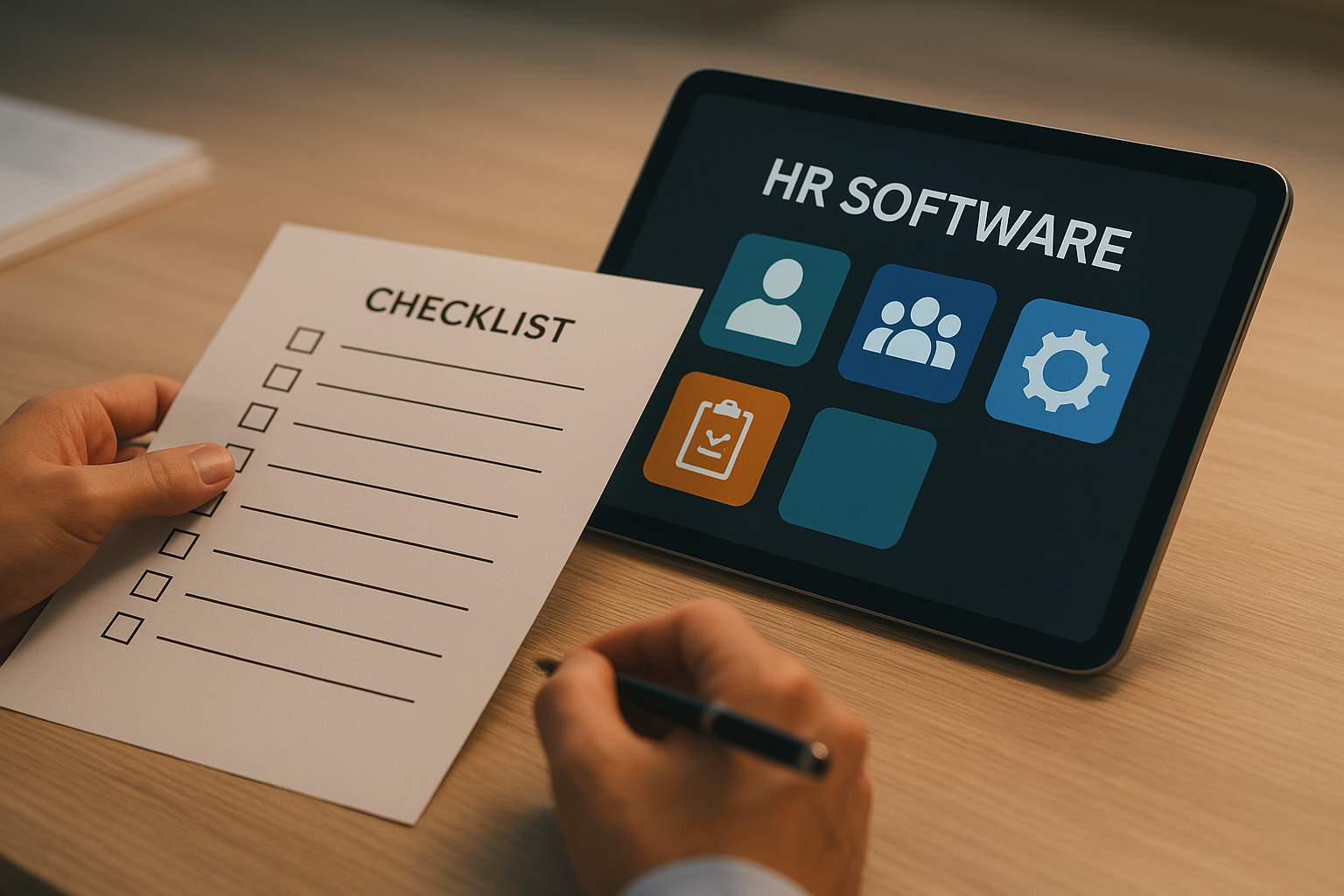
A clear checklist helps SMBs compare HR automation platforms before committing.
Is HR Automation Right for Your Business?
For most growing companies, the answer is yes, with a caveat: automation works best as part of a larger HR strategy, not a replacement for one. If your business has outgrown spreadsheets but doesn’t yet need a full internal HR department, pairing automated HR solutions for SMBs with experienced outside guidance often delivers the best balance of efficiency and risk management.
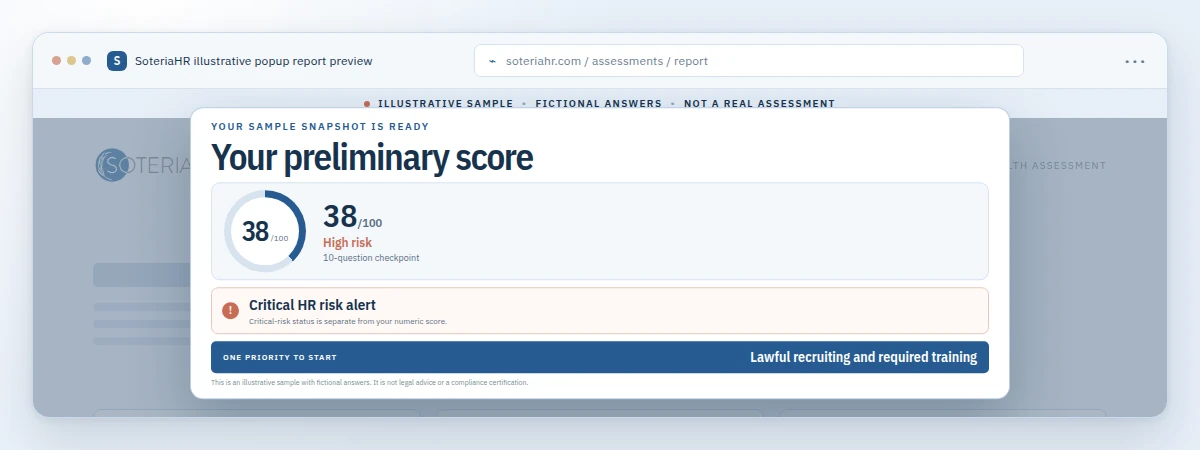
A good starting point is understanding where your current HR practices stand today. Soteria HR’s free HR Health Assessment, available at soteriahr.ai, offers a short Quick HR Check or a more complete Health Assessment to help identify gaps before you invest in new systems. Results are self-reported and preliminary, not a certified compliance audit, but they offer a useful starting point for a conversation.
From there, speaking with an HR professional can help you decide whether software alone will suffice or whether hands-on support makes sense. You can learn more about Soteria HR’s approach at soteriahr.com, or call (800) 399-2458 to talk with an HR expert about your specific situation.
Ready to talk HR strategy?
Call (800) 399-2458 or submit a consultation request to Talk to an HR Expert at Soteria HR.
Frequently Asked Questions About Automated HR Solutions for SMBs
What are automated HR solutions for SMBs?
Automated HR solutions for SMBs are software platforms that handle repetitive human resources tasks, such as onboarding, time tracking, and benefits enrollment, without constant manual input. They’re designed to save administrative time for small and mid-sized businesses that don’t have a large internal HR team.
How do automated HR solutions work?
These systems use predefined rules and workflows to route tasks, send reminders, and store employee data in one centralized platform. For instance, a new hire’s information entered once can automatically trigger onboarding checklists, benefits enrollment windows, and payroll setup.
How much do automated HR solutions cost for small businesses?
Pricing varies widely depending on the platform, number of employees, and features included, with many vendors charging a monthly per-employee fee. Businesses should request quotes directly, since bundled features like benefits administration or payroll integration can significantly affect total cost.
How long does it take to implement an HR automation system?
Implementation timelines typically range from a few weeks for a basic HRIS to a few months for systems that integrate payroll, benefits, and compliance tracking. Data migration and employee training usually account for most of the time involved.
What’s the difference between HR automation software and an ASO or PEO?
HR automation software is a technology tool, while an ASO (Administrative Services Organization) or PEO (Professional Employer Organization) is a service relationship that includes human expertise. An ASO, like the option Soteria HR offers, provides tailored HR support without co-employment, so the client remains the employer of record.
Can automated HR solutions replace an HR department entirely?
Automated HR solutions for SMBs can handle many routine tasks, but they generally can’t replace the judgment needed for complex employee relations issues or evolving compliance requirements. Most growing businesses pair automation with either an internal HR hire or an outsourced HR partner.
What HR tasks can be automated?
Commonly automated tasks include onboarding paperwork, time-off tracking, benefits enrollment, performance review scheduling, and basic payroll calculations. More complex tasks, like policy interpretation or handling a workplace complaint, typically still require human review.
Are automated HR systems secure for storing employee data?
Reputable HR platforms use encryption and access controls to protect sensitive employee data, but security standards vary by vendor. Businesses should ask providers directly about their data protection practices and compliance certifications before signing a contract.
What compliance risks remain even with HR automation?
Automation doesn’t automatically guarantee compliance with federal and state requirements, including those enforced by the U.S. Department of Labor and the EEOC. Settings must be configured correctly and reviewed periodically, since software reflects whatever rules and data it’s given.
What’s the best HR automation approach for a company with 10 to 250 employees?
Companies in this range often benefit most from combining a scalable HRIS or HRMS platform with outsourced HR guidance for strategy and compliance review. This hybrid approach provides day-to-day efficiency while still giving leaders access to expert judgment when needed.
What mistakes should businesses avoid when adopting HR automation?
Common mistakes include choosing software based on price alone, skipping proper data migration, and assuming automation removes the need for policy updates. Training employees on the new system and assigning clear internal ownership also helps avoid low adoption rates.
How does Soteria HR support businesses using automated HR tools?
Soteria HR pairs its HR administration, consulting, and benefits administration services with technology recommendations tailored to each client’s size and goals. Through its ASO option, Soteria provides hands-on support without co-employment, helping businesses get more value from the automated systems they already use.
Conclusion
Automated HR solutions for SMBs can meaningfully reduce the administrative burden that comes with growth, from onboarding paperwork to benefits enrollment and basic compliance tracking. However, technology works best when it’s paired with human expertise that can interpret results, update policies, and handle the judgment calls software isn’t built for. Whether you’re just starting to evaluate HR platforms or you’ve outgrown your current setup, taking stock of your HR workflows is a useful first step. Soteria HR helps growing organizations in Los Angeles, Orange County, and nationwide combine the right technology with hands-on HR administration, consulting, and benefits support. To find out where your organization stands, try the free HR Health Assessment at soteriahr.ai, or call (800) 399-2458 to talk with an HR expert.