
Cloud-based HR management is a modern approach to running human resources operations — it stores, processes, and delivers all HR functions through secure internet-connected servers rather than on-premise hardware. In other words, your payroll, hiring, compliance, and employee records all live in the cloud. As a result, HR teams can access critical data from anywhere, reduce administrative overhead, and focus on what truly matters: their people.
According to Grand View Research, the global HR management software market was valued at over $17 billion in 2023 and is projected to grow at a compound annual rate of more than 12% through 2030. That growth reflects a fundamental shift in how organizations of every size think about workforce management.
What Is Cloud-Based HR Management?
Cloud-based HR management is a system that hosts all human resources processes — recruitment, onboarding, payroll, benefits, performance reviews, and compliance — on remote servers managed by a third-party provider. Employees and HR professionals access these tools through a web browser or mobile app, eliminating the need for costly local servers or manual software installations.
Furthermore, these platforms update automatically, so your organization always has the latest features and compliance rules without lifting a finger. This is a significant advantage over legacy systems, which require dedicated IT teams and scheduled downtime for updates.
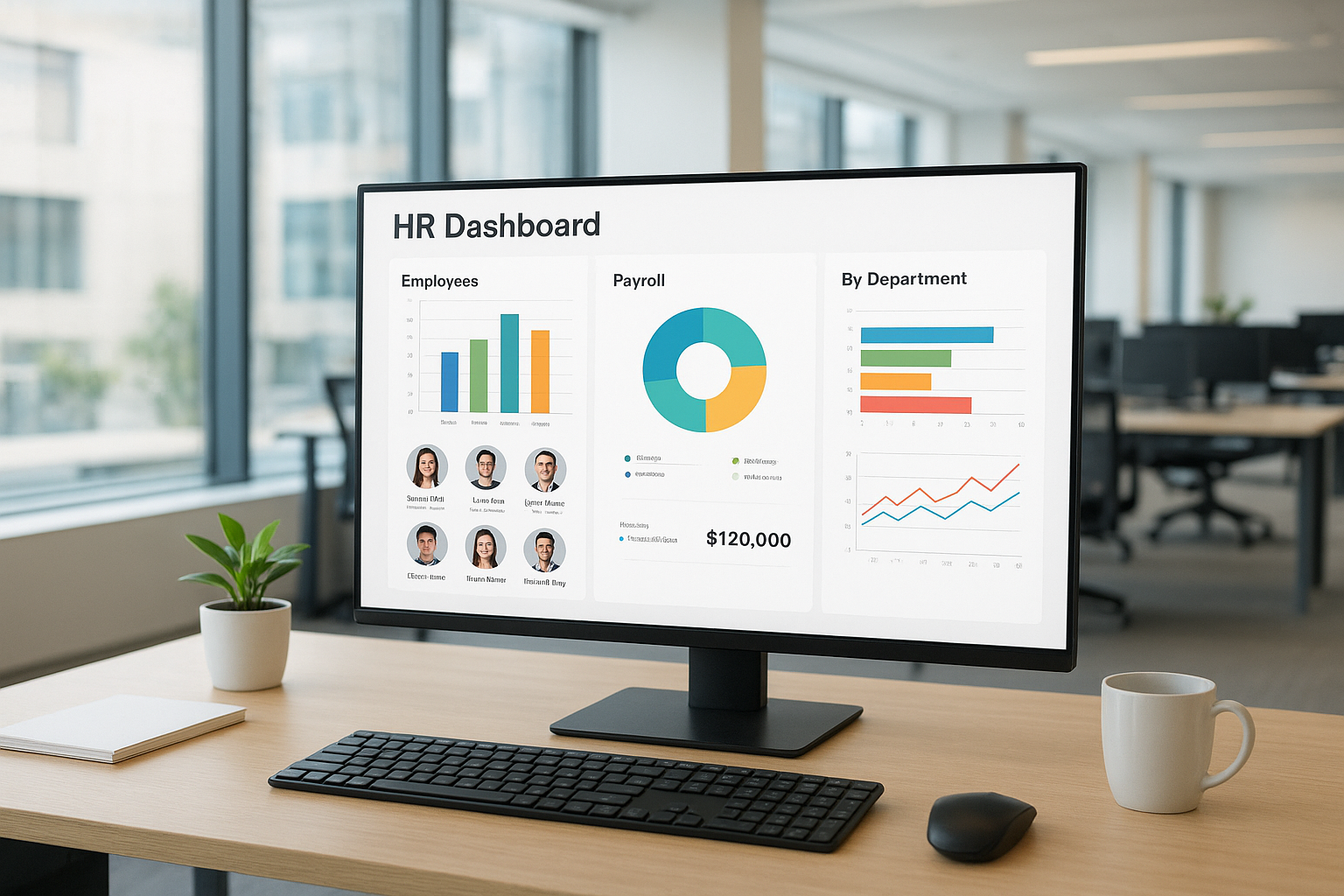
A cloud-based HR management platform gives HR teams real-time visibility across the entire employee lifecycle.
Key Benefits of Moving HR to the Cloud
Transitioning to a cloud HR platform delivers measurable value across several dimensions. Below are the most impactful advantages businesses consistently report.
Cost Reduction and Predictable Pricing
Traditional HR software requires upfront licensing fees, server hardware, and ongoing IT maintenance. Cloud solutions, however, operate on a subscription model — typically $5 to $25 per employee per month — making costs predictable and scalable. Smaller businesses, in particular, gain access to enterprise-grade tools without enterprise-level budgets.
Automated Compliance and Legal Updates
Employment law changes constantly. Cloud HR platforms push regulatory updates automatically, so your workflows, forms, and reporting stay compliant without manual intervention. This is especially valuable for multi-state or international employers who face a patchwork of overlapping requirements.
Employee Self-Service Capabilities
Modern cloud HR systems empower employees to update their own information, request time off, view pay stubs, and enroll in benefits — all without contacting HR. Consequently, HR staff spend less time on administrative requests and more time on strategic initiatives like talent development and culture building.
Real-Time Data and Workforce Analytics
With all HR data centralized in one platform, managers and executives gain instant access to workforce analytics — turnover rates, headcount trends, compensation benchmarks, and more. In addition, these insights support faster, more confident decisions about hiring, promotions, and resource allocation.

Cloud HR analytics give leadership teams the real-time workforce insights they need to make confident decisions.
How to Switch to Cloud-Based HR Management
Migrating to a cloud HR system is straightforward when you follow a structured process. Here is a proven six-step approach that minimizes disruption and maximizes adoption.
- Audit your current HR processes and data. Review all existing workflows, data sources, and pain points. Identify what needs to move to the cloud and fix any data quality issues before migration begins.
- Define your requirements and budget. List the specific HR functions you need — payroll, onboarding, compliance reporting — and set a realistic budget based on your headcount and required features.
- Research and shortlist cloud HR vendors. Compare at least three platforms based on features, integrations, security certifications, customer reviews, and pricing. Resources like this guide to HR solutions can help clarify your options.
- Run a pilot program with a small team. Before a full rollout, test the platform with a representative group. This surfaces configuration gaps and training needs early.
- Migrate data and train your team. Transfer employee records, payroll history, and compliance documents. Then deliver structured training so every user — HR staff and employees alike — can navigate the system confidently.
- Go live and monitor performance. Launch company-wide, track key metrics like processing times and error rates, and schedule regular check-ins with your vendor to resolve issues quickly.
What to Look for in a Cloud HR Platform
Not all cloud HR systems are created equal. Therefore, evaluating providers carefully before committing is essential. The right platform should tick several important boxes.
First, look for ease of use. A system your team won’t adopt is a system that won’t deliver ROI. Second, prioritize integration capabilities — your HR platform should connect seamlessly with your payroll, accounting, and time-tracking tools. Third, verify security certifications such as SOC 2 Type II or ISO 27001, which signal that the vendor takes data protection seriously.
Additionally, consider the vendor’s customer support quality. Responsive, knowledgeable support is especially critical during implementation and the first few months of operation. Platforms like Soteria HR combine dedicated support with a full suite of cloud HR tools tailored to growing organizations. You can also explore their full range of HR services to see how a managed approach can simplify your transition.
Scalability as Your Business Grows
One of the most underrated factors is scalability. Specifically, your HR platform should handle five employees just as smoothly as five hundred. Cloud architecture is inherently elastic, meaning you can add users, modules, or locations without a costly infrastructure overhaul.
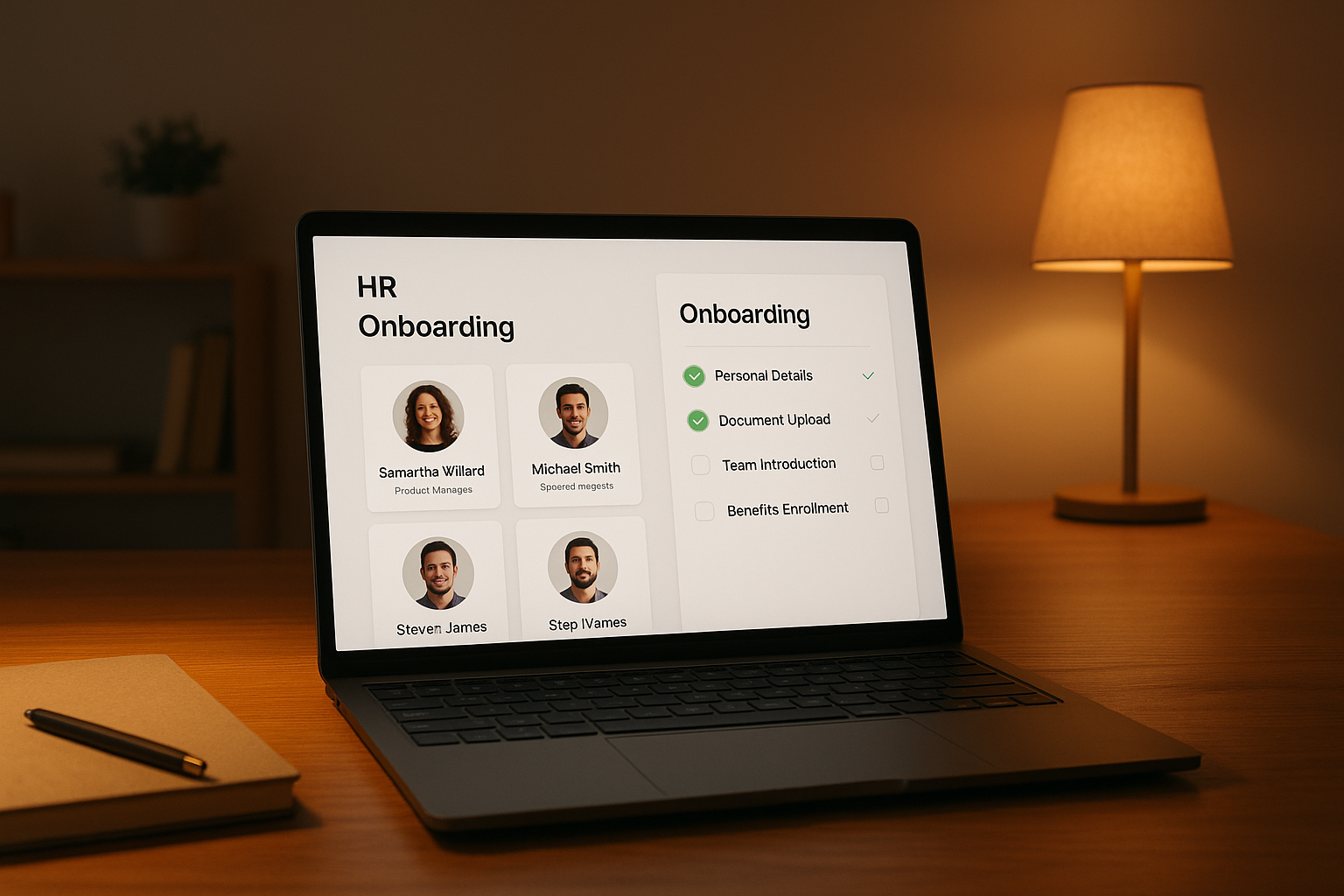
A well-designed cloud HR onboarding module reduces time-to-productivity for every new hire.
Common Challenges and How to Overcome Them
Despite the clear benefits, some organizations encounter hurdles during the transition. However, most challenges are predictable and manageable with the right preparation.
Data migration errors are among the most common issues. To avoid them, conduct a thorough data audit before migration and use your vendor’s data validation tools. Similarly, change resistance from employees or managers can slow adoption — combat this with early communication, hands-on training, and visible leadership support.
Finally, integration failures with existing tools can create data silos. Consequently, always test integrations in a staging environment before going live. Choosing a vendor with a robust API and a proven integration library dramatically reduces this risk.
Frequently Asked Questions About Cloud-Based HR Management
What is cloud-based HR management?
Cloud-based HR management is a system that stores and processes all human resources functions — payroll, recruitment, compliance, and more — on remote servers accessed via the internet. It allows HR teams and employees to access data from any device, anywhere, at any time. This eliminates the need for on-premise servers and manual software updates.
How does cloud-based HR management differ from traditional HR software?
Traditional HR software is installed on local servers and requires manual updates and dedicated IT support. Cloud-based HR management, in contrast, is hosted remotely, updated automatically, and accessible from any internet-connected device. This makes it faster to deploy and easier to maintain.
Is cloud-based HR management secure?
Yes. Reputable cloud HR platforms use enterprise-grade encryption, multi-factor authentication, and regular security audits to protect sensitive employee data. In many cases, cloud providers offer stronger security than most in-house IT setups.
What are the main benefits of moving HR to the cloud?
Key benefits include reduced IT costs, real-time data access, automated compliance updates, improved employee self-service, and seamless scalability as your workforce grows. These advantages combine to free HR teams from administrative burden and let them focus on strategic work.
How much does cloud-based HR software typically cost?
Most cloud HR platforms charge a per-employee, per-month fee ranging from $5 to $25, depending on features. Enterprise plans with advanced analytics or compliance modules can cost more. Many vendors offer tiered pricing so you only pay for what you need.
How long does it take to implement a cloud HR system?
Small businesses may be up and running in a few days, while larger organizations with complex integrations may need 4 to 12 weeks for a full rollout. The timeline depends on company size, data volume, and the number of integrations required.
Can cloud HR systems integrate with payroll and accounting software?
Yes. Most modern cloud HR platforms offer built-in integrations or open APIs that connect directly with popular payroll, accounting, and time-tracking tools. This reduces duplicate data entry and minimizes costly errors.
What common mistakes should businesses avoid when switching to cloud HR?
Common mistakes include skipping a data audit before migration, underestimating training needs, choosing a platform without scalability, and failing to involve HR staff in the selection process. Proper planning and stakeholder buy-in prevent most of these issues.
Is cloud-based HR management suitable for small businesses?
Absolutely. Cloud HR solutions are especially valuable for small businesses because they eliminate the need for dedicated IT infrastructure and provide enterprise-level tools at an affordable per-user cost. Small teams benefit immediately from automation and self-service features.
How does cloud HR help with regulatory compliance?
Cloud HR platforms are updated automatically when employment laws change, ensuring your processes stay compliant without manual intervention. They also generate audit-ready reports and store documentation securely for easy retrieval during inspections or audits.
What HR functions can be managed in the cloud?
Virtually all core HR functions can be managed in the cloud, including recruitment and onboarding, payroll processing, benefits administration, performance management, time and attendance tracking, and compliance reporting. Most platforms cover the full employee lifecycle from hire to retire.
What should I look for when choosing a cloud HR provider?
Look for ease of use, integration capabilities, strong customer support, transparent pricing, robust security certifications, and a proven track record with businesses of your size and industry. Requesting a live demo and speaking with existing customers are both highly recommended before signing a contract.
Conclusion
Cloud-based HR management has fundamentally changed how organizations attract, develop, and retain talent. By centralizing HR data, automating compliance, and empowering employees with self-service tools, cloud HR platforms free teams from administrative burden and deliver the real-time insights needed to make smarter workforce decisions. Whether you are a growing startup or an established enterprise, adopting cloud-based HR management is one of the highest-leverage investments you can make in your organization’s future. To explore your options and find the right fit, start by reviewing what HR solutions are available and take the first step toward a more agile, data-driven HR function today.