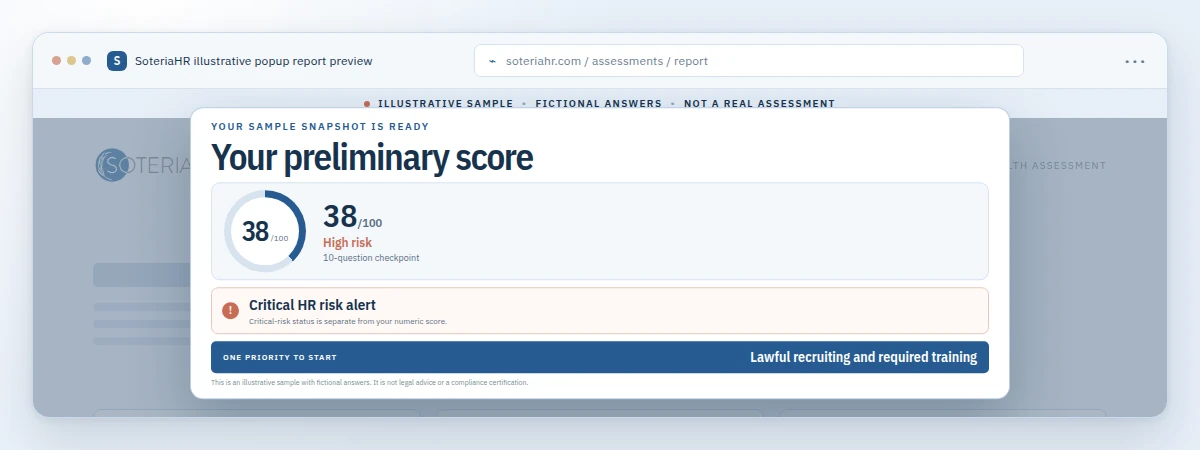
Human resources consulting meaning is often misunderstood, especially by growing companies that assume it’s just a fancy term for outsourced paperwork. In reality, human resources consulting refers to the practice of bringing in outside HR experts who guide leadership on compliance, hiring, culture, and workplace strategy. For small and mid-sized businesses without a dedicated HR department, understanding this term can be the difference between reacting to problems and preventing them altogether.
In short: Human resources consulting means hiring an outside HR expert or firm to provide strategic guidance, compliance oversight, and people-management support — without adding a full-time HR employee to your payroll.
What Is Human Resources Consulting? Understanding the Meaning Behind the Term
The straightforward answer: human resources consulting is a professional service where an outside expert advises a business on people-related matters, from hiring to compliance to culture-building. Consequently, companies gain access to senior-level HR knowledge without carrying the cost of a full internal team.
According to the Society for Human Resource Management, HR consulting has grown alongside the broader field of human resource management as businesses increasingly outsource specialized functions. In particular, small and mid-sized organizations turn to consultants because they need expertise on demand, not a full-time salary line. For a deeper look at how this plays out in practice, our guide on what HR consulting really involves breaks down the day-to-day work in more detail.
Breaking Down the Human Resources Consulting Meaning: Core Services
So, what does an HR consultant actually deliver? Generally, the scope covers several core areas that keep a growing company protected and organized:
- Full-service HR administration, including onboarding and offboarding
- Compliance and risk management to avoid costly legal mistakes
- Benefits design and management to attract and retain talent
- Custom HR playbooks aligned with company goals and culture
- Employee handbook creation and updates
- Recruiting and hiring support for long-term fit
For a complete breakdown of what’s typically included in a service agreement, see this full list of HR consulting services. As you can see, the scope stretches well beyond simple paperwork — it’s a strategic function.

Understanding the human resources consulting meaning starts with seeing how consultants work directly with leadership teams.
Why This Definition Matters for Growing Businesses
Above all, the meaning of HR consulting matters because compliance risk grows with headcount. As a result, businesses that scale past 10 or 20 employees often encounter regulations they were previously too small to worry about. Specifically, the U.S. Bureau of Labor Statistics projects employment of human resources specialists to grow 6 percent between 2022 and 2032, faster than the average for all occupations — a signal that demand for HR expertise, whether in-house or consultative, is climbing steadily.
Therefore, a clear grasp of the human resources consulting meaning helps leaders decide when to bring in outside support instead of guessing. In contrast, businesses that delay often end up firefighting compliance problems after they’ve already caused damage.
HR Consulting vs. In-House HR: What’s the Difference?
Naturally, many leaders wonder whether consulting is better than simply hiring an HR manager. In-house HR staff work exclusively for one company and are deeply embedded in daily operations. HR consultants, however, bring broader cross-industry perspective and flexible engagement models, often at a lower total cost.
Similarly, many companies blend both approaches, using consulting support to guide strategy while a smaller internal team handles routine tasks. For a closer look at this comparison, our article on HR management consulting services explains how the two models can work together effectively.
How HR Consulting Works: A Step-by-Step Process
To make the human resources consulting meaning concrete, here is a typical engagement process from start to finish:
- Initial HR Assessment: The consultant reviews current policies, employee files, compliance exposure, and team structure to identify gaps that need immediate attention before building a plan.
- Custom Strategy Development: Based on the assessment, the consultant builds a tailored HR playbook covering hiring, compliance, benefits, and culture goals specific to the company’s stage of growth.
- Implementation and Rollout: New policies, handbooks, and processes are introduced to leadership and staff, often paired with training so managers understand how to apply the changes correctly.
- Ongoing Support and Monitoring: The consultant continues monitoring compliance changes, advising on employee issues, and adjusting strategy as the business grows or regulations shift over time.
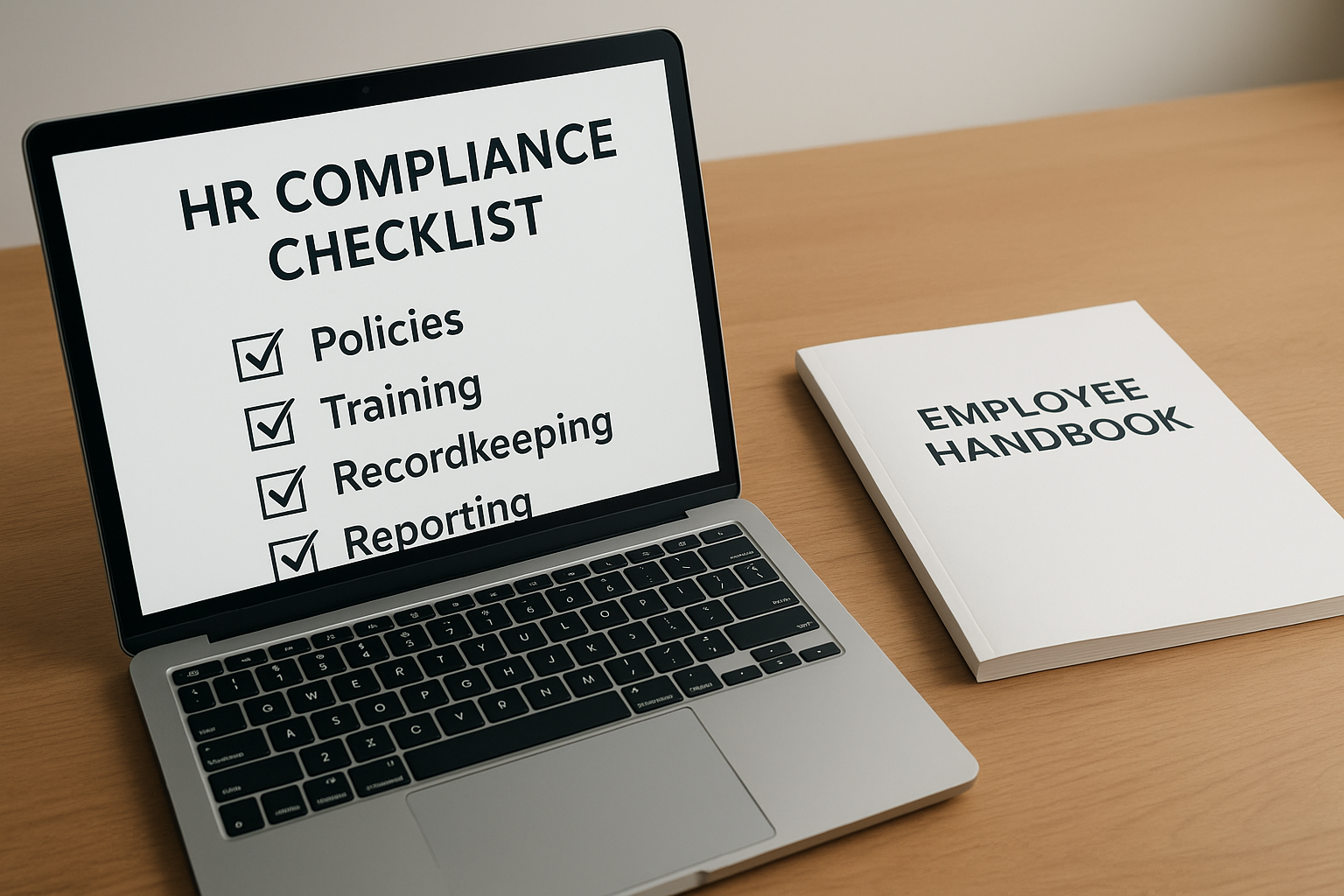
Ongoing compliance monitoring is a core part of the human resources consulting process.
Signs Your Business Needs HR Consulting Support
Furthermore, certain warning signs typically point to a need for outside HR guidance. For example, rising turnover, unclear policies, or a founder personally handling every hiring decision are all common triggers. Likewise, manufacturing companies often face unique scheduling and safety compliance demands; our piece on HR consulting for manufacturing companies covers those industry-specific challenges in depth.
In particular, watch for these red flags:
- No formal employee handbook or outdated policies
- Frequent misclassification questions around exempt vs. non-exempt staff
- Leadership feeling overwhelmed by hiring and firing decisions
- Growing headcount without a clear HR strategy
Choosing the Right HR Consulting Partner
Ultimately, the right partner should feel like an embedded member of your team rather than a distant vendor. Soteria HR, for instance, works with growth-minded companies between 10 and 250 employees, offering proactive HR leadership, custom playbooks, and compliance protection tailored to each client’s industry and stage of growth. For a broader view of how these roles function, check out this expert guide to HR consulting.
Before signing an agreement, it helps to ask direct questions about industry experience, response times, and how proactive versus reactive the support will be. As a result, you can avoid the common mistake of hiring a consultant who only shows up after a problem has already occurred. You can also explore how Soteria HR structures its ongoing partnerships for companies at different stages of growth.

A strong HR consulting partnership feels collaborative, not transactional.
Frequently Asked Questions About Human Resources Consulting Meaning
What does human resources consulting mean?
Human resources consulting meaning refers to the practice of hiring an outside HR expert or firm to advise a business on compliance, hiring, benefits, and workplace strategy. It gives companies access to HR expertise without a full-time HR department.
How does HR consulting differ from HR outsourcing?
HR consulting typically focuses on strategy, advice, and problem-solving, while HR outsourcing often means handing off day-to-day administrative tasks entirely. Many firms blend both to cover strategy and execution.
What does an HR consultant actually do day to day?
An HR consultant reviews policies, advises on hiring and terminations, updates handbooks, monitors compliance changes, and helps leadership handle employee issues before they escalate.
How much does HR consulting cost for a small business?
Costs vary widely, from a few hundred dollars for a one-time project to monthly retainers ranging from $1,000 to $5,000 depending on company size. Ongoing support is usually more cost-effective than a full-time HR hire.
When should a company hire an HR consultant?
Companies typically hire HR consultants when they hit 10 to 50 employees, face a compliance issue, experience high turnover, or grow faster than their internal systems can support.
Is HR consulting worth it for startups?
Yes, startups often benefit most because early missteps around hiring, classification, or policies can create expensive legal risk later. A consultant helps build the right foundation from day one.
What industries benefit most from HR consulting?
Human services, tech, manufacturing, and professional services firms frequently rely on HR consulting because of complex compliance needs and competitive hiring markets.
How long does it take to see results from HR consulting?
Some fixes, like updating an employee handbook, happen within weeks. Larger cultural or structural changes usually take three to six months to show measurable results.
What’s the difference between HR consulting and hiring an HR manager?
An in-house HR manager works exclusively for one company and handles daily tasks. An HR consultant brings broader cross-industry experience and strategic insight, often at a fraction of the full-time salary cost.
What common mistakes do businesses make when hiring HR consultants?
Common mistakes include waiting until a legal problem arises, choosing a generic consultant without industry knowledge, or treating HR consulting as a one-time fix instead of an ongoing partnership.
Can HR consulting help with compliance issues?
Yes, compliance is one of the most common reasons businesses seek HR consulting. Consultants monitor changing federal, state, and local labor laws so leadership doesn’t have to track every regulation alone.
What qualifications should an HR consultant have?
Look for consultants with hands-on HR leadership experience, relevant certifications such as SHRM-CP or PHR, and a track record with businesses similar in size and industry to yours.
How do I choose the right HR consulting firm?
Evaluate their industry experience, ask for references, and confirm they offer proactive strategy, not just reactive paperwork. A good fit feels like an embedded partner, not a vendor.
Does HR consulting include payroll support?
Many HR consulting firms coordinate closely with payroll systems to ensure accurate, on-time pay, though payroll processing itself is sometimes handled by a separate provider.
What is the ROI of HR consulting?
The return on investment shows up in reduced turnover, fewer compliance penalties, faster hiring, and stronger workplace culture. Many businesses recover the consulting cost simply by avoiding one preventable legal claim.
Final Thoughts on the Human Resources Consulting Meaning
In summary, the human resources consulting meaning boils down to one idea: outside expertise, applied strategically, so growing businesses can stay compliant, hire well, and build strong teams without the overhead of a full internal department. Whether you’re managing your first ten employees or scaling past a hundred, understanding this term helps you decide when and how to bring in support. As your business grows, partnering with a team like Soteria HR can turn HR from a source of stress into a genuine competitive advantage.