
Strategies of organizational development help growing companies build stronger teams, sharper processes, and lasting resilience as they scale. Whether you run a 20-person startup or a 200-employee company entering its next growth phase, having a clear approach to organizational change is not optional — it is essential. In this guide, we will break down what these strategies look like in practice, how to build a framework that fits your business, and why so many small to mid-sized organizations turn to outsourced HR partners like Soteria HR to get it right.
Quick answer: Strategies of organizational development are structured methods — like leadership training, culture initiatives, and process redesign — that help companies improve performance and adapt as they grow. The most effective approach combines a clear assessment, targeted interventions, and ongoing measurement.
Strategies of Organizational Development: Why They Matter for Growing Businesses
As companies grow past the 10 to 50 employee mark, informal systems start to crack. Consequently, leaders often notice more miscommunication, inconsistent management practices, and rising turnover. This is exactly where structured strategies of organizational development step in, offering a repeatable way to strengthen culture, close skill gaps, and prevent small problems from becoming expensive ones.
In particular, organizations that skip this work tend to rely on reactive fixes — hiring quickly to patch a gap, or writing new policies only after something goes wrong. In contrast, a proactive organizational development strategy anticipates these pressure points and builds the infrastructure to handle them before they escalate.
What Are Strategies of Organizational Development?
Strategies of organizational development are planned, evidence-based methods used to improve how a company functions — spanning leadership, culture, structure, and performance systems. Rather than a single tactic, they represent a toolkit that HR and business leaders draw from based on the specific challenge at hand.
According to the concept as defined on Wikipedia’s overview of organization development, the discipline draws on behavioral science to plan and implement change that increases organizational effectiveness. In other words, it is less about quick fixes and more about building durable capacity for growth.

Effective strategies of organizational development start with honest, data-driven conversations about where the business stands today.
Core Organizational Development Strategy Components
Most successful programs share a handful of common building blocks. Specifically, these include leadership development, communication redesign, performance management, and culture alignment work. Each component addresses a different layer of the organization, and together they create a well-rounded organizational development strategy.
Leadership and Management Development
First, strong managers set the tone for everything else. Therefore, many organizations start by investing in coaching and training for frontline supervisors, since research from SHRM consistently links manager quality to employee engagement and retention.
Culture and Communication Alignment
Similarly, culture initiatives clarify values and expectations so employees understand how decisions get made. As a result, teams experience less friction and fewer misunderstandings during periods of rapid change.
How to Build an Organization Development Framework
Building a workable framework does not require a massive internal team. In fact, most growing companies can follow this simple, five-step process to get started.
- Assess your current state. Gather data through employee surveys, exit interviews, and performance records to understand where communication, culture, or structure is breaking down.
- Define clear objectives. Set specific, measurable goals tied to business outcomes such as reducing turnover, improving manager effectiveness, or streamlining onboarding within a defined timeframe.
- Design targeted interventions. Choose interventions like leadership coaching, restructured reporting lines, or updated performance reviews that directly address the root causes identified in your assessment.
- Communicate and implement consistently. Roll out changes with transparent communication from leadership, clear timelines, and training so employees understand why the change is happening.
- Measure results and refine. Track key metrics such as retention, engagement scores, and productivity at regular intervals, then adjust your approach based on what the data shows.
For a deeper walkthrough of this process, our practical organization development strategy guide breaks down each phase with real-world examples from growing companies.
Common Organizational Development Approaches Used by SMBs
Not every business needs the same mix of tactics. However, a few approaches show up repeatedly across small and mid-sized organizations because they deliver reliable results.
For example, restructuring reporting lines helps clarify accountability as headcount grows. In addition, updated employee handbooks and custom HR playbooks keep policies aligned with both compliance requirements and company culture. Meanwhile, structured onboarding and recruiting support — areas covered in our complete organizational development strategy guide — ensure new hires ramp up faster and stick around longer.
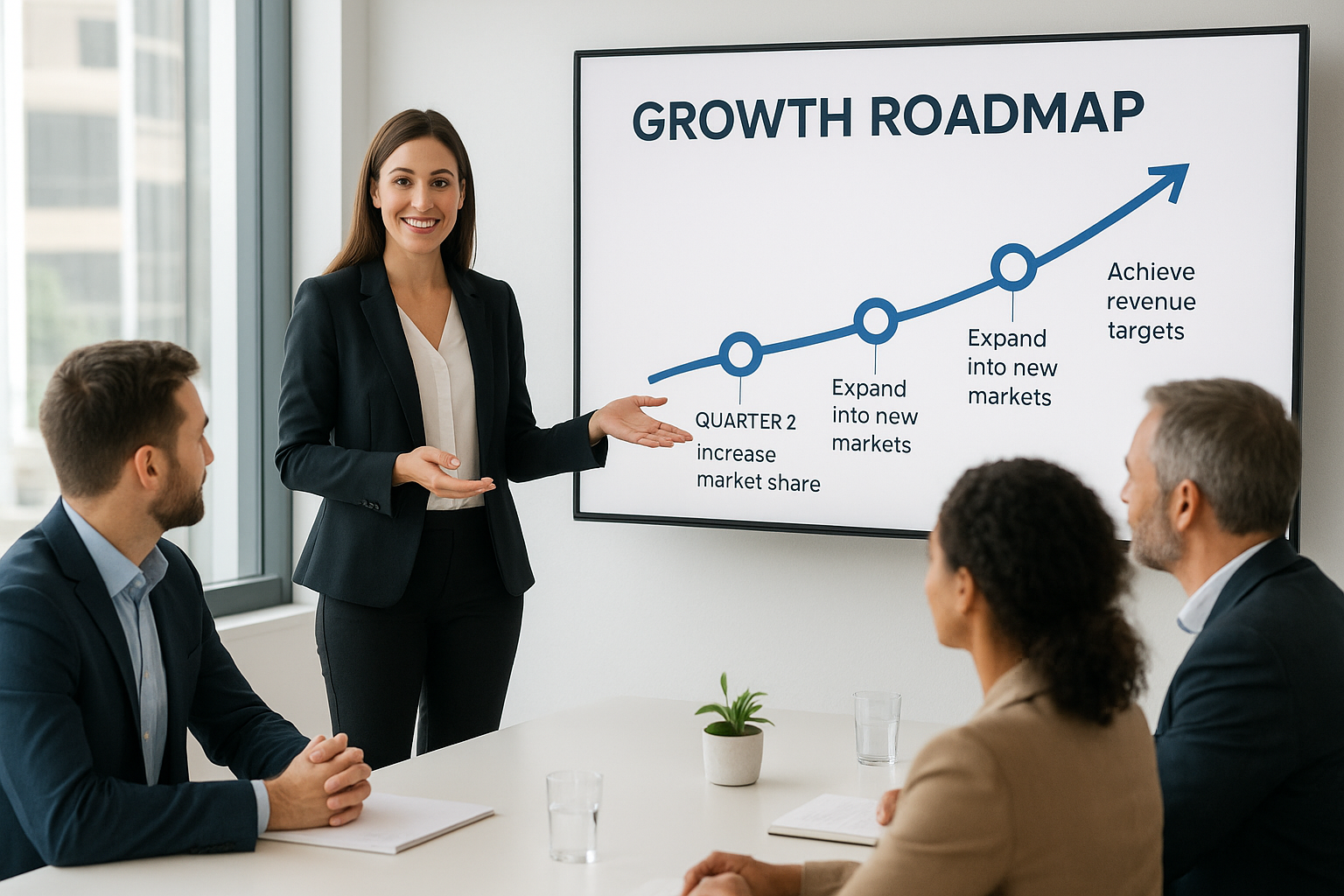
An outsourced HR partner can guide leadership teams through each stage of an organizational development approach.
Measuring Success: What the Data Shows
Numbers matter here. Research cited by SHRM has found that organizations with structured organizational development practices report notably lower voluntary turnover than those without a formal approach — in some studies, a difference of 20 to 30 percent. Therefore, tracking retention alongside engagement survey results gives leaders a concrete way to judge whether their strategy is paying off.
Beyond retention, compliance risk is another area worth watching closely. As regulations shift, staying current with guidance from the U.S. Department of Labor helps ensure that organizational changes do not inadvertently create legal exposure.
How Soteria HR Supports Your Organizational Development Strategy
Soteria HR works with growth-minded companies of 10 to 250 employees across human services, tech, professional services, and manufacturing. Rather than offering cookie-cutter templates, our team builds a tailored organization development framework around your business goals, team culture, and industry needs.
If you want a deeper resource before reaching out, explore our organizational development framework guide or our companion organization development framework resource. Both walk through frameworks our clients use every day. When you are ready for hands-on support, our organizational development consulting services connect you with a dedicated HR partner — visit soteriahr.com to learn more.
Frequently Asked Questions About Strategies of Organizational Development
What is organizational development?
Organizational development is a planned, ongoing effort to improve an organization’s effectiveness through changes in structure, culture, and processes. It focuses on aligning people and systems so a business can adapt, grow, and perform better over time.
What are the main strategies of organizational development?
The most common strategies of organizational development include leadership development, culture and communication initiatives, structural redesign, performance management systems, and change management planning. Together, these strategies help a company build stronger teams and prepare for sustainable growth.
How long does an organizational development initiative typically take?
Most initiatives take between six months and two years, depending on company size and scope. Smaller, focused projects like a leadership training rollout may finish in a few months, while full culture transformations often take longer.
How much does organizational development consulting cost?
Costs vary widely, but outsourced organizational development consulting for small and mid-sized businesses typically ranges from a few hundred to a few thousand dollars per month. This is usually far less expensive than hiring a full-time internal OD team.
What is the difference between organizational development and HR management?
HR management focuses on day-to-day administrative tasks like payroll, benefits, and compliance, while organizational development takes a broader, strategic view of long-term growth and culture. In practice, the two work closely together.
Why do small and mid-sized businesses need organizational development strategies?
Growing companies often outgrow informal processes, which leads to confusion, turnover, and compliance risk. These strategies give leaders a structured way to scale teams and systems without losing what made the company successful.
What are common mistakes companies make with organizational development?
Common mistakes include rolling out changes without clear communication, skipping the assessment phase, and failing to measure results afterward. Above all, many companies underestimate how much leadership buy-in matters to lasting success.
What is an organizational development framework?
An organizational development framework is a structured model that guides how a company assesses needs, plans interventions, and measures outcomes. It provides a repeatable process rather than a one-time fix.
How do you measure the success of an OD strategy?
Success is typically measured through metrics like employee retention, engagement survey scores, productivity data, and time-to-fill for open roles. Comparing these numbers before and after implementation shows whether the strategy is working.
What role does leadership play in organizational development?
Leadership involvement is essential, since employees look to managers for cues on whether change efforts are genuine. When leaders model new behaviors consistently, initiatives are far more likely to succeed.
Can organizational development strategies help with employee retention?
Yes, structured strategies directly improve retention by addressing root causes of turnover, such as unclear growth paths or weak management practices. Companies that invest here often see measurably lower turnover rates.
How does Soteria HR support organizational development for growing companies?
Soteria HR provides hands-on organizational development consulting, custom HR playbooks, and compliance guidance tailored to companies with 10 to 250 employees. This gives growing businesses embedded HR expertise without the cost of a full internal department.
What industries benefit most from organizational development strategies?
Industries like human services, technology, professional services, and manufacturing benefit significantly, especially as they scale headcount quickly. However, any growing organization facing culture or compliance challenges can benefit.
Final Thoughts on Strategies of Organizational Development
Ultimately, strategies of organizational development are not a one-time project — they are an ongoing commitment to building a healthier, more resilient business. From assessing your current state to measuring results after implementation, each step compounds over time to reduce turnover, strengthen leadership, and keep your company compliant as it scales.
If you are ready to put these strategies into practice without adding headcount, Soteria HR is here to help. As a trusted, embedded partner, we bring the structure and strategic guidance growing companies need to build a stronger workplace — so you can focus on growing your team and your business with confidence.